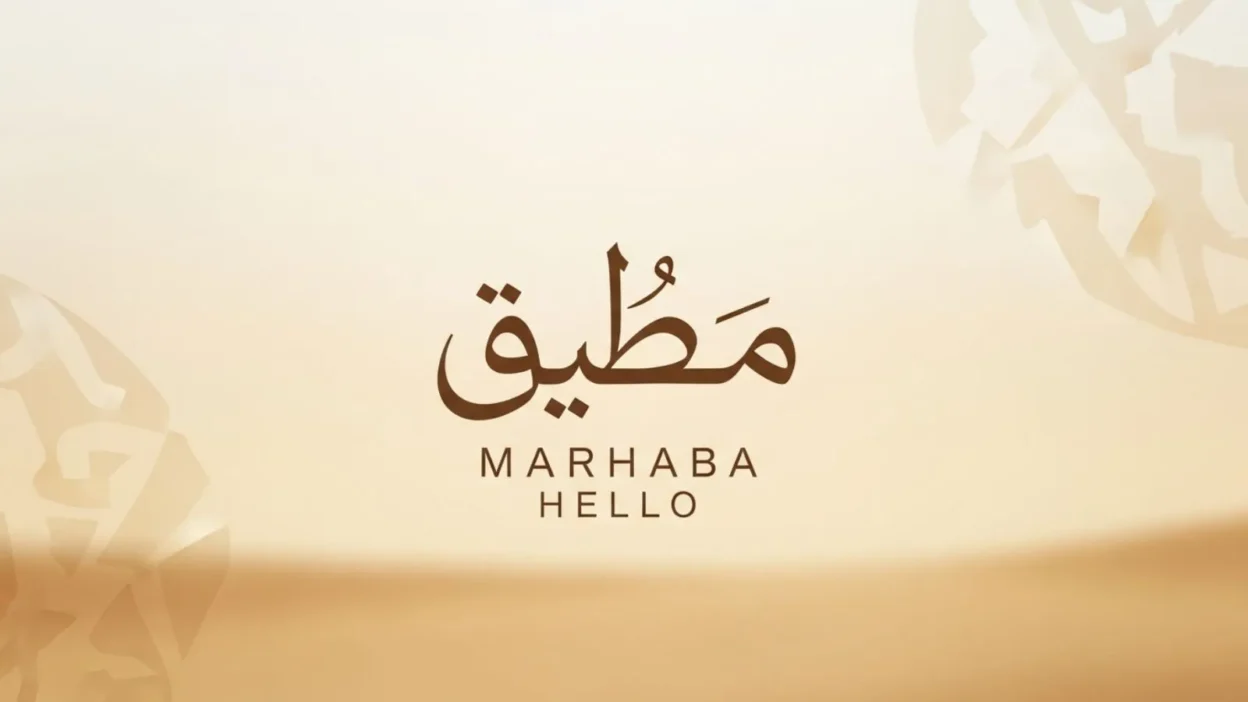
The word “Marhaba” is one of the most popular Arabic greetings, and many people search for “Marhaba meaning” when they hear it in conversations, movies, or while traveling.
In simple terms, “Marhaba” means hello, welcome, or greetings, but its meaning goes beyond just a basic word. It reflects warmth, respect, and hospitality, which are deeply rooted in Arabic culture.
In everyday life, people use “Marhaba” when meeting someone, welcoming guests, or starting a friendly conversation. It is commonly heard across the Middle East and is also widely used in WhatsApp chats, social media posts, and international communication.
Because of its friendly tone, it has become a global greeting that even non-Arabic speakers use.
Understanding the true meaning of “Marhaba” helps you connect better with Arabic culture and communicate more respectfully in social and travel situations.
What Does Marhaba Mean? (Simple Definition and Deep Meaning)
The word “Marhaba” is a simple Arabic greeting, but its meaning is richer than just “hello.” When people search for “Marhaba meaning”, they usually want to understand how this word is used in real life and what emotion it carries. In the most basic sense, Marhaba means “hello” or “welcome.” It is used when meeting someone, greeting guests, or starting a friendly interaction.
However, in Arabic culture, “Marhaba” is not just a word—it is a sign of warmth, kindness, and hospitality. When someone says “Marhaba,” they are not only greeting you but also showing that you are welcome and respected. It creates a friendly and positive atmosphere, whether in a home, shop, hotel, or public place.
The word is also flexible. In casual conversations, it can simply mean “hi,” while in more welcoming situations, it can mean “you are most welcome here.” This dual meaning makes it widely used across Arabic-speaking countries.
Unlike some formal greetings, “Marhaba” is easy to use in both formal and informal settings. You can say it to friends, strangers, customers, or visitors without sounding rude or too formal. This is one reason why it is popular worldwide, especially among travelers and people who interact with Arabic culture.
In short, Marhaba is more than just a greeting—it is a cultural expression of hospitality, friendliness, and respect.
Origin and Linguistic Background of Marhaba
To fully understand the “Marhaba meaning”, it is important to look at its origin and linguistic background. The word “Marhaba” (مرحبا) comes from the Arabic language, one of the oldest and richest languages in the world. It is derived from the Arabic root related to “rahb”, which carries meanings connected to spaciousness, comfort, and welcoming someone with open arms. This gives the word a deeper emotional sense beyond just a greeting.
Historically, Arabic expressions like “Marhaba” were used in everyday communication across Arab tricohorts bes and later became a standard greeting in many Arabic-speaking regions. Over time, as Arabic culture spread through trade, travel, and religion, the word “Marhaba” also became widely recognized in different countries.
Linguistically, “Marhaba” is considered a warm welcome expression, often used to make someone feel comfortable and accepted. Unlike strict formal greetings, it carries a soft and friendly tone, which is why it is still popular today in modern Arabic speech.
Different Arabic dialects may pronounce or extend greetings differently, but “Marhaba” remains one of the most universal and easily understood words across the Arab world. From the Middle East to North Africa, people instantly recognize its meaning.
Today, the word has also crossed cultural boundaries and is used globally in travel, hospitality, and online communication. Its simple structure and positive meaning make it easy for non-Arab speakers to learn and use.
In short, the origin of “Marhaba” reflects the Arabic culture of warm hospitality, openness, and respect for others, making it much more than just a simple hello.
Cultural Importance of Marhaba in Arab Society
The phrase “Marhaba” holds deep cultural importance in Arab society, and understanding its Marhaba meaning also means understanding the values behind it. In Arab culture, greetings are not just polite words—they are a reflection of respect, generosity, and hospitality. When someone says “Marhaba,” it is more than a simple hello; it is an invitation of warmth and acceptance.
Hospitality is a major part of Arab traditions. Guests are highly respected, and welcoming them properly is considered a duty. Saying “Marhaba” helps create an immediate sense of comfort, making the guest feel valued and at home. Whether it is in a family home, a business setting, a hotel, or even a small shop, this greeting sets a positive tone for interaction.
In many Arab countries, greetings also play an important social role. People often take time to greet each other properly before starting any conversation. This shows that relationships are valued more than rushing into business or formal discussions. “Marhaba” is often the first step in building trust and friendliness.
It is also common to see “Marhaba” used alongside other greetings like “Ahlan wa sahlan,” which further emphasizes a warm welcome. This cultural richness shows how language and tradition are closely connected in Arab society.
Even today, in modern cities and digital communication, the use of “Marhaba” continues to represent kindness and openness. It remains a symbol of Arab identity and cultural pride.
In short, “Marhaba” is not just a word—it is a cultural expression of respect, warmth, and genuine human connection.
How Marhaba Is Used in Daily Conversation
The expression “Marhaba” is widely used in everyday Arabic conversation, and understanding its Marhaba meaning also helps you know when and how to use it correctly. In daily life, it works as a friendly greeting that can be used in almost any situation where you want to say hello or welcome someone.
When meeting a friend, family member, or even a stranger, people often say “Marhaba” as the first word of interaction. It is simple, natural, and instantly creates a friendly atmosphere. For example, if someone visits your home, saying “Marhaba” shows that they are welcome and appreciated.
In shops, restaurants, and hotels, “Marhaba” is commonly used by staff to greet customers. It helps create a positive customer experience and reflects good manners and hospitality. In many Arab countries, it is normal to hear “Marhaba” as soon as you enter a place of business.
The word is also used in phone calls and online chats. People often start conversations with “Marhaba” instead of a formal greeting. In WhatsApp messages, Instagram comments, or social media posts, it adds a warm and friendly tone to communication.
Another important point is that “Marhaba” is flexible. It can be used in both formal and informal situations without sounding inappropriate. Whether you are speaking to a close friend or a respected elder, it remains polite and acceptable.
In short, “Marhaba” is a universal greeting in Arabic daily life. It is easy to use, culturally respectful, and helps build instant connection between people in any conversation.
Marhaba vs Other Common Greetings (Hello, Salam, Ahlan)
To understand the true Marhaba meaning, it is helpful to compare it with other common greetings like “Hello,” “Salam,” and “Ahlan.” While all of these words are used for greeting people, they carry slightly different tones and cultural meanings in Arabic communication.
Marhaba vs Hello:
“Hello” is a general English greeting used worldwide, but “Marhaba” carries a warmer and more personal feeling. While “Hello” is neutral, “Marhaba” often feels more welcoming and emotionally friendly. It is not just a greeting—it also gives a sense of hospitality.
Marhaba vs Salam:
“Salam” (short for “As-salamu Alaikum”) is a more religious and traditional Islamic greeting meaning “peace be upon you.” It is often used among Muslims as a respectful and spiritual greeting. On the other hand, “Marhaba” is more general and can be used by anyone, regardless of religion, making it more flexible in everyday conversation.
Marhaba vs Ahlan:
“Ahlan” also means welcome and is very close in meaning to “Marhaba.” However, “Ahlan” is often considered slightly more casual or intimate. In many cases, people combine them as “Ahlan wa Marhaba” to give a stronger sense of welcome and friendliness.
Each greeting has its own context, but “Marhaba” stands out because it is simple, universal, and widely understood across Arabic-speaking countries. It works in both formal and informal settings, making it one of the most commonly used greetings.
In short, while “Hello,” “Salam,” and “Ahlan” have their own importance, “Marhaba” remains the most balanced and versatile greeting in Arabic culture.
How Marhaba Is Used in Social Media & Digital Communication
In today’s digital world, the Marhaba meaning has expanded beyond traditional face-to-face greetings and is now widely used in social media and online communication. People frequently use “Marhaba” on platforms like WhatsApp, Instagram, Facebook, TikTok, and even in emails to add a friendly and cultural touch to their messages.
On WhatsApp, users often start conversations with “Marhaba” instead of a simple “Hi,” especially when talking to friends from Arabic-speaking backgrounds. It helps set a warm and respectful tone right from the beginning of the chat. In group chats, it is commonly used to greet everyone at once in a polite and inclusive way.
On Instagram and Facebook, “Marhaba” appears in captions, comments, and replies. Influencers and travelers often use it when posting about Middle Eastern culture or travel experiences. For example, a post about Dubai or Saudi Arabia might include “Marhaba” to reflect local culture and connect with the audience.
On TikTok and YouTube, creators also use “Marhaba” in videos as an engaging opening greeting. It helps attract viewers and gives content a cultural identity. Some even combine it with emojis like 👋 or ❤️ to make it more expressive.
The use of “Marhaba” online shows how traditional language adapts to modern communication. It is short, easy to type, and universally understood in Arabic culture, making it perfect for digital interactions.
In short, “Marhaba” has become a global-friendly greeting in the online world, helping people connect warmly across cultures and platforms while keeping its original meaning of welcome and friendliness.
Examples of Marhaba in Real-Life Sentences
To clearly understand the Marhaba meaning, it is helpful to see how the word is used in real-life sentences. “Marhaba” is a flexible greeting that fits easily into many everyday situations, whether formal or informal. It helps express friendliness, respect, and welcome in a simple way.
For example, when meeting a friend, you can say:
“Marhaba! How have you been?” This shows a casual and friendly tone.
When welcoming a guest at home, you might say:
“Marhaba, you are most welcome in our house.” This adds warmth and hospitality to the conversation.
In a shop or business setting, a seller may say:
“Marhaba, how can I help you today?” This makes the customer feel comfortable and valued.
In travel situations, especially in Arabic-speaking countries, a hotel receptionist might say:
“Marhaba and welcome to our hotel.” This reflects professionalism along with cultural warmth.
Even in online communication, people use it simply like:
“Marhaba everyone!” in group chats or social media posts to greet multiple people at once.
These examples show that “Marhaba” is not limited to one specific situation. It can be used in greetings, customer service, travel, family interactions, and digital conversations. Its simplicity makes it easy for both native and non-native speakers to use correctly.
In short, “Marhaba” is a versatile word that fits almost any greeting situation, making communication smoother and more friendly while keeping its cultural essence of warmth and welcome.
When and Where You Should Use Marhaba
Understanding the Marhaba meaning also includes knowing the right situations to use it. “Marhaba” is a versatile Arabic greeting, but using it in the correct context makes your communication more natural and respectful.
You can use “Marhaba” when meeting someone for the first time, especially in casual or friendly settings. It works well as an opening greeting when you want to create a warm and welcoming tone. For example, when you meet a new friend, neighbor, or colleague, saying “Marhaba” is completely appropriate.
It is also commonly used when welcoming guests into your home. In Arab culture, hospitality is very important, and “Marhaba” helps express that the guest is respected and valued. Similarly, in public places like hotels, shops, and restaurants, it is used by staff to greet customers politely.
In digital communication, you can safely use “Marhaba” in WhatsApp chats, social media posts, and online conversations. It adds a friendly and slightly cultural touch to your message, making it more engaging.
However, it is important to note that while “Marhaba” is widely accepted, it is not typically used in very formal or religious contexts where greetings like “As-salamu Alaikum” may be more appropriate. Understanding this difference helps you use the word correctly.
In short, “Marhaba” is best used in everyday conversations, social interactions, travel situations, and online communication. It is simple, polite, and widely understood, making it one of the easiest Arabic greetings for beginners to use confidently.
Common Misunderstandings About Marhaba Meaning
Even though the Marhaba meaning is simple, many people still misunderstand how this word is used and what it actually represents. One common misunderstanding is that “Marhaba” only means “hello.” While it is often used as a greeting, its deeper meaning also includes welcome, warmth, and hospitality, depending on the situation and tone.
Another confusion is thinking that “Marhaba” is a religious word. In reality, it is not a religious greeting. Unlike “As-salamu Alaikum,” which has a spiritual meaning in Islam, “Marhaba” is a general Arabic expression that can be used by anyone, regardless of religion or background. This makes it more universal and flexible in everyday communication.
Some people also believe that “Marhaba” is used only in formal Arabic. However, it is actually very common in both formal and informal conversations. You can use it with friends, family, customers, or even strangers without sounding inappropriate or overly casual.
Another mistake is assuming that pronunciation or spelling changes its meaning. While dialects may slightly adjust pronunciation, the core meaning of “Marhaba” remains the same across Arabic-speaking regions.
Lastly, some learners think “Marhaba” can be used in every formal situation. Although it is widely accepted, in highly formal or religious contexts, other greetings may be more suitable.
In short, “Marhaba” is often misunderstood as a simple “hello,” but it actually carries a richer meaning of friendliness and welcome. Understanding these common mistakes helps you use the word more accurately and confidently in real-life conversations.
Why Marhaba Represents Hospitality and Respect
The phrase “Marhaba” is more than just a simple greeting, and understanding the Marhaba meaning reveals why it is so deeply connected with hospitality and respect in Arabic culture. At its core, “Marhaba” is used to make someone feel welcomed, valued, and comfortable, which is a key part of social interaction in Arab societies.
Hospitality is one of the strongest cultural values in the Arab world. When someone says “Marhaba,” it is not only a way of saying hello but also a way of opening the door to kindness and generosity. It reflects the idea that guests should always be treated with honor and warmth, whether they are visiting a home, a shop, or a public place.
Respect is another important aspect of this greeting. Using “Marhaba” shows that you acknowledge the presence of another person in a polite and friendly way. It helps build positive relationships and creates a sense of equality and openness in communication.
Unlike many simple greetings, “Marhaba” carries an emotional tone. It expresses friendliness without needing extra words. This is why it is widely used in both personal and professional environments, where creating a welcoming atmosphere is important.
Even in modern times, “Marhaba” continues to represent traditional values of Arab culture. Whether spoken face-to-face or used in digital communication, it still carries the same meaning of warmth and acceptance.
In short, “Marhaba” is not just a greeting—it is a cultural symbol of hospitality, respect, and human connection, making it one of the most meaningful and widely used words in the Arabic language.
Marhaba in Global Context (Modern Usage Around the World)
The Marhaba meaning has expanded far beyond its original Arabic-speaking regions and is now recognized in many parts of the world. As global communication, travel, and digital media continue to grow, “Marhaba” has become a friendly greeting that people from different cultures often hear and sometimes use themselves.
One major reason for its global popularity is international travel and tourism. Many travelers visiting countries like the UAE, Saudi Arabia, Qatar, and other Middle Eastern destinations quickly learn “Marhaba” as a basic and respectful greeting. Hotels, airports, and tour guides often use it to welcome visitors, helping tourists feel comfortable and included.
In addition, global media and entertainment have played a big role in spreading the word. Movies, TV shows, and social media content featuring Arab culture often include “Marhaba,” making it familiar to audiences worldwide. Influencers and content creators also use it in travel vlogs and lifestyle content to give their posts a cultural touch.
“Marhaba” is also used in international business environments where Arabic-speaking clients or partners are involved. Using this greeting can show respect and cultural awareness, which helps build stronger professional relationships.
Even non-Arab speakers sometimes use “Marhaba” online or in casual conversation as a stylish and friendly greeting. Its simple pronunciation and positive meaning make it easy to adopt.
In short, “Marhaba” has become a global-friendly greeting, representing warmth and welcome across cultures. Its spread shows how language can connect people worldwide while keeping its original meaning of friendliness and hospitality.
Why Marhaba Is More Than Just a Word (Deeper Meaning and Impact)
To truly understand the Marhaba meaning, it is important to realize that it is not just a simple greeting—it is a reflection of human connection and cultural identity. While it translates to “hello” or “welcome,” its real value lies in the emotion and intention behind it. When someone says “Marhaba,” they are not only acknowledging your presence but also expressing warmth, openness, and respect.
In Arabic culture, communication is not rushed or purely functional. Greetings like “Marhaba” help build a bridge between people before any conversation begins. This small word sets the tone for trust, kindness, and positive interaction. It creates a sense of belonging, even between strangers.
Another important aspect is its role in strengthening relationships. Whether used in family gatherings, business meetings, or casual encounters, “Marhaba” helps maintain social harmony. It encourages friendliness and reduces distance between individuals, making conversations feel more natural and welcoming.
In modern times, especially in global communication, “Marhaba” also acts as a cultural symbol. It represents Arabic identity and hospitality, showing the world how important respect and generosity are in Arab traditions. Even when used online or in social media, it still carries this deeper emotional meaning.
Unlike many simple greetings that are quickly forgotten, “Marhaba” leaves a lasting impression because it carries sincerity. It reminds us that even a small word can have a powerful impact when used with genuine intention.
In short, “Marhaba” is more than just a greeting—it is a symbol of warmth, respect, and human connection that goes beyond language and culture.
Marhaba in Global Context
The Marhaba meaning has grown far beyond its traditional Arabic roots and is now recognized in many parts of the world. In today’s globalized society, where travel, social media, and international communication connect people more than ever, “Marhaba” has become a widely familiar and friendly greeting across cultures.
One of the biggest reasons for its global reach is tourism and travel. Millions of people visit Middle Eastern countries every year, especially places like the UAE, Saudi Arabia, and Qatar. In hotels, airports, and tourist attractions, visitors often hear “Marhaba” as a warm welcome. This helps travelers feel comfortable and respected, even if they do not speak Arabic.
Global media has also played an important role in spreading the word. Movies, TV shows, and online content featuring Arabic culture often include “Marhaba,” making it familiar to international audiences. Travel vloggers and influencers frequently use it in their videos to add authenticity and cultural flavor.
In business settings, “Marhaba” is sometimes used when dealing with Arabic-speaking clients or partners. Using even a simple greeting like this can show cultural awareness and respect, which helps build stronger professional relationships.
On social media platforms such as Instagram, TikTok, and Facebook, “Marhaba” is often used in captions, comments, and greetings. It adds a friendly and international touch to digital conversations.
In short, “Marhaba” has become more than just an Arabic greeting—it is now a global expression of welcome, friendliness, and cultural connection used across travel, media, business, and online communication.
Why Marhaba Is More Than Just a Word
The Marhaba meaning goes far beyond a simple translation like “hello” or “welcome.” It represents a deeper cultural and emotional expression that reflects kindness, respect, and human connection. When someone says “Marhaba,” they are not only greeting another person but also creating a sense of comfort and openness in the conversation.
In Arabic culture, communication is built on warmth and hospitality. “Marhaba” plays an important role in setting the tone of interaction before any serious discussion begins. It helps break barriers between strangers and makes social interaction feel more natural and friendly. This is why it is commonly used in homes, markets, workplaces, and public places.
Another important aspect of “Marhaba” is its emotional impact. Unlike many simple greetings, it carries a feeling of sincerity and welcome. It makes people feel accepted and valued, even in brief encounters. This small word can instantly turn a formal or unfamiliar situation into a more relaxed and positive one.
In modern global communication, “Marhaba” has also become a symbol of cultural identity. It represents Arabic traditions of generosity and respect, and it is often used to share that culture with the world. Whether in travel, business, or social media, it continues to spread this message of warmth.
Even though it is just a single word, “Marhaba” has the power to build connections and leave a lasting impression. It reminds us that language is not only about meaning but also about emotion and intention.
FAQ – Marhaba Meaning
What does Marhaba mean in English?
“Marhaba” means hello, welcome, or greetings in English. It is a friendly Arabic word used to make someone feel welcomed and comfortable in conversation.
Is Marhaba only used in Arabic language?
Yes, “Marhaba” comes from the Arabic language, but it is widely recognized and used globally, especially in travel, social media, and multicultural communication.
Is Marhaba a formal or informal greeting?
“Marhaba” can be used in both formal and informal situations. It is suitable for friends, family, guests, customers, and even strangers.
What is the difference between Marhaba and Salam?
“Marhaba” means hello or welcome, while “Salam” (As-salamu Alaikum) is a religious greeting meaning peace be upon you. “Salam” is more spiritual, while “Marhaba” is general and friendly.
Can non-Arabic speakers use Marhaba?
Yes, anyone can use “Marhaba.” It is easy to pronounce and widely understood, making it popular among travelers and people interested in Arabic culture.
Where is Marhaba commonly used?
It is commonly used in Middle Eastern countries like UAE, Saudi Arabia, Qatar, and also in online chats, WhatsApp messages, hotels, shops, and social media.
Why is Marhaba so popular?
“Marhaba” is popular because it is simple, warm, and welcoming. It reflects hospitality, respect, and friendliness, which are important values in Arabic culture.
Conclusion
In conclusion, the Marhaba meaning goes far beyond a simple translation of “hello” or “welcome.” It is a powerful Arabic greeting that reflects warmth, hospitality, and respect.
From daily conversations to social media interactions, “Marhaba” plays an important role in connecting people and creating a friendly atmosphere.
This word is deeply rooted in Arabic culture, where greetings are an essential part of showing kindness and building relationships.
If used in homes, businesses, travel situations, or online chats, “Marhaba” always carries a positive and welcoming tone.
As we have explored throughout this article, “Marhaba” is not just a word but a cultural expression that has gained global recognition. Its simplicity makes it easy to use, while its meaning makes it meaningful in any interaction.

Jonathan Bishopson is the punmaster-in-chief at ThinkPun.com, where wordplay meets wit and every phrase gets a clever twist. Known for turning ordinary language into laugh-out-loud lines, Jonathan crafts puns that make readers groan, grin, and think twice. When he’s not busy bending words, he’s probably plotting his next “pun-derful” masterpiece or proving that humor really is the best re-word.