In today’s digital world, short forms and slang have become a major part of how people communicate online tf meaning in chat.
If you are chatting on WhatsApp, scrolling through Instagram, watching TikTok videos, or commenting on posts, you will often see abbreviations that can be confusing at first.
One of these commonly used terms is “TF.” If you have ever come across a message like “TF is going on?” or “What the TF?” you might have wondered what it actually means.
“TF” is a popular internet slang expression used mainly in informal conversations to show strong emotions such as surprise, confusion, anger, or disbelief.
It is widely used by Gen Z and social media users because it makes communication faster and more expressive.
However, its meaning can change depending on the context in which it is used. Understanding slang like TF is important because it helps you better interpret online conversations and avoid misunderstandings in digital communication.
What Does TF Mean in Text?
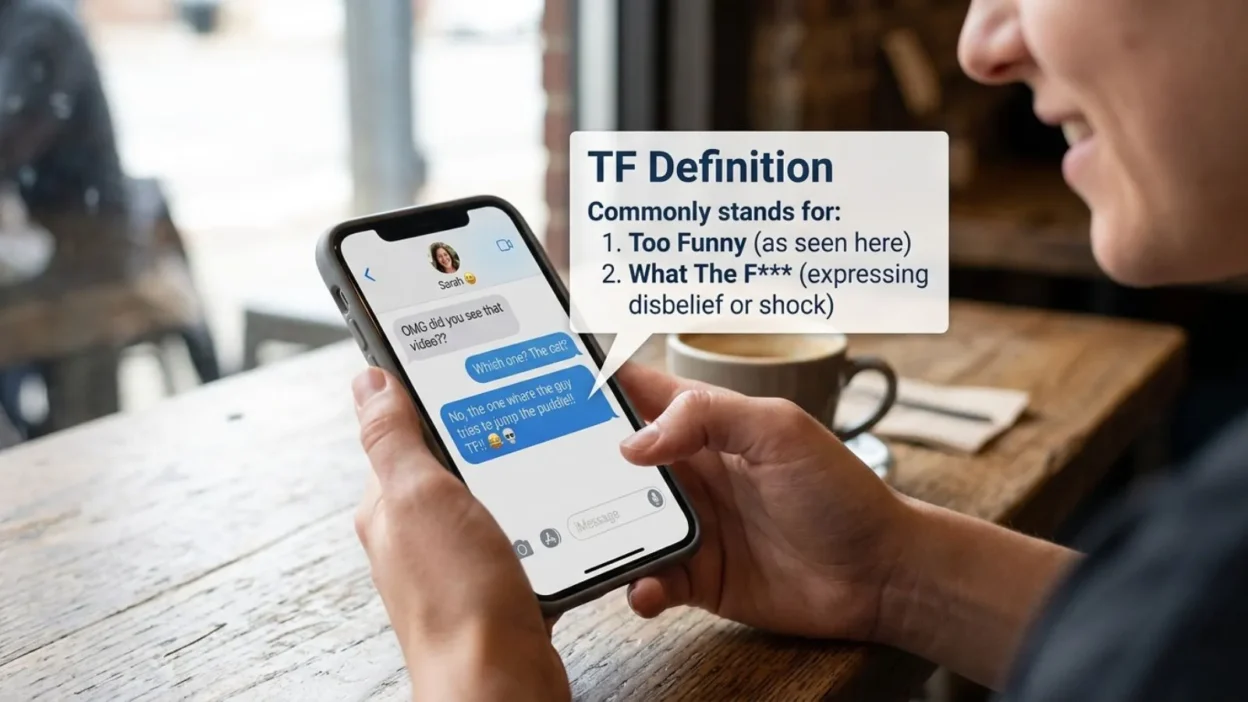
The most common meaning of “TF” in text is a shortened slang expression for “The F*”**. It is used in informal digital communication to express strong emotions such as shock, disbelief, confusion, frustration, or even anger. Instead of typing the full phrase, people use “TF” to react quickly and more casually in conversations. For example, someone might say, “TF is going on here?” when they are surprised or confused about a situation. Similarly, “What the TF?” is used when something feels unbelievable or unexpected.
The meaning of TF is highly dependent on tone and context. In many cases, it is not meant to be taken literally but rather as an emotional reaction. It adds intensity to a sentence, making the speaker’s feelings more expressive and direct. This is why it is commonly used in chats, social media comments, and memes where quick reactions are important.
However, it is important to understand that TF is considered informal and can be offensive in certain situations because it is derived from a swear phrase. It should generally be avoided in professional, academic, or respectful conversations. Despite that, it remains extremely popular in internet culture, especially among younger users, because it is short, expressive, and easy to type during fast-paced conversations.
Different Meanings of TF (Context-Based Interpretation)
Although the most common meaning of TF in text is “The F***,” it is not the only interpretation. The meaning of TF can change depending on the situation, industry, or type of conversation. Understanding these different meanings is important because the same abbreviation can be used in completely different contexts.
In informal online chats and social media, TF is almost always used as slang to express strong emotions like surprise, confusion, or frustration. However, in formal or professional environments, TF can have completely different meanings that are not related to slang at all.
For example, in the military or organizational context, TF stands for “Task Force.” It refers to a group of people formed to complete a specific mission or project. This usage is common in defense, police departments, and corporate planning teams.
In engineering and mathematics, TF can mean “Transfer Function,” which is used in systems analysis and control theory to describe how input signals are transformed into outputs. Similarly, in modern technology and artificial intelligence discussions, TF can also refer to “TensorFlow,” a popular machine learning framework developed by Google.
Because of these multiple meanings, it is always important to check the context before interpreting TF. In casual texting, it usually means an emotional reaction, but in academic or technical content, it can represent something completely different. This makes TF a good example of how internet slang and professional abbreviations can overlap but carry very different meanings.
How TF is Used in Conversations
In everyday conversations, especially in texting and online chats, TF is mainly used as an emotional reaction word. It helps people express strong feelings quickly without writing long sentences. Because of its short and punchy nature, it fits perfectly into fast digital communication where users want to react instantly.
One of the most common uses of TF is to show shock or surprise. For example, someone might say, “TF is happening right now?” when they see something unexpected or confusing. It can also be used to express disbelief, such as “TF did I just watch?” when reacting to a strange video or situation.
TF is also frequently used when someone feels confused or frustrated. For instance, “TF are you talking about?” shows that the person does not understand what is being said. In some cases, it can even show anger or annoyance, like “TF bro, stop doing that,” depending on the tone of the conversation.
In meme culture and social media comments, TF is often used in a humorous way. People use it to exaggerate reactions for comedic effect, especially on platforms like TikTok, Instagram, and Twitter (X). It adds a dramatic and expressive touch to simple statements, making them more engaging.
Overall, TF works as a powerful reaction word in informal communication. However, the tone matters a lot. It can sound funny among friends but may come across as rude or offensive in serious or formal conversations.
TF in Social Media Culture
In today’s digital world, TF has become a strong part of social media culture, especially among younger users. It is widely used on platforms like Instagram, TikTok, Snapchat, Twitter (X), and even YouTube comments. The reason for its popularity is simple—people want fast, expressive, and attention-grabbing ways to react to content, and TF fits perfectly into this style of communication.
On social media, TF is often used in comments and captions to react to surprising, funny, or confusing posts. For example, when someone sees an unbelievable video, they might comment, “TF is this?” or “TF just happened?” This adds emotion and exaggeration, which helps make reactions feel more engaging and relatable.
TF is also heavily used in meme culture. Memes often rely on short, impactful expressions, and TF helps amplify humor or shock in a very simple way. A meme with a strange or unexpected situation might be paired with captions like “TF did I just see?” to make it more entertaining.
On platforms like TikTok and Instagram Reels, TF is frequently used in viral reactions and trending content. Creators use it to connect with viewers instantly, especially when reacting to funny clips, pranks, or unexpected twists.
Overall, TF has become more than just slang—it is now part of online expression and digital humor culture. It reflects how internet users prefer short, emotional, and impactful language to communicate feelings quickly in a fast-moving social media environment.
TF in Gaming & Online Communities
In gaming and online communities, TF is commonly used as a quick reaction expression during fast-paced interactions. Games move quickly, and players often need short, expressive words to communicate emotions in real time. Because of this, TF has become a popular slang term in platforms like Discord, Twitch chats, multiplayer games, and online forums.
During gameplay, players often use TF to express shock or frustration when something unexpected happens. For example, if a player is suddenly eliminated or something strange occurs in the game, they might type “TF?” or “TF just happened?” This helps them react instantly without typing long sentences, which is important in competitive environments.
TF is also used to show confusion about game events or player actions. For instance, in team-based games, someone might say, “TF are you doing?” when they don’t understand a teammate’s move. In casual gaming groups, it can also be used humorously to tease friends after funny or unexpected moments.
On platforms like Twitch and Discord, TF is often seen in chat reactions while watching live streams. Viewers use it to react instantly to highlights, fails, or surprising moments from streamers. It has become part of the shared language that helps communities communicate quickly and emotionally.
Overall, TF plays an important role in online gaming culture because it is short, expressive, and fits perfectly into fast conversations. However, just like in social media, the tone matters—while it can be funny among friends, it may sound rude in serious or competitive situations.
TF vs Similar Slang Words
The slang term TF is often compared with other popular internet expressions like WTF, WTH, and similar abbreviations used in online communication. While they may look similar, each one carries a slightly different tone and level of intensity, which is important to understand when using them in conversations.
The most closely related term is WTF (What The F***), which is more explicit and stronger in emotional impact. TF is actually a shortened version of this expression, and in many cases, it carries a similar meaning but in a more compact form. People often use TF when they want to react quickly without typing the full phrase.
Another related slang is WTH (What The Heck), which is a softer and more polite version. Unlike TF or WTF, WTH is considered less offensive and can sometimes be used in slightly more appropriate or semi-formal situations. It still expresses surprise or confusion but in a milder tone.
Other common internet abbreviations like SMH (Shaking My Head), IDK (I Don’t Know), and OMG (Oh My God) are also used for emotional expression, but they serve different purposes. For example, SMH shows disappointment, while OMG shows excitement or shock.
Compared to these, TF stands out because it is more direct, intense, and informal. It is mainly used in casual conversations, memes, and gaming chats where strong emotional reactions are common. However, it is less suitable for professional or respectful communication.
Is TF Offensive or Inappropriate?
The term TF in text messaging is widely used in casual online communication, but its level of offensiveness depends heavily on context, audience, and tone. Since TF is derived from a stronger swear expression, it can sometimes be considered inappropriate, especially in formal or professional settings.
In informal conversations, such as chats with friends, gaming communities, or social media interactions, TF is usually accepted as a normal slang expression. In these environments, it is often used to show strong emotions like surprise, frustration, or confusion without intending to offend anyone. Many users treat it as part of everyday internet language.
However, in formal situations such as workplace communication, academic writing, emails, or professional discussions, TF is not appropriate. Because it is linked to a swear phrase, it may appear disrespectful or unprofessional if used in serious contexts. In such cases, it is better to use alternative expressions like “what is going on,” “I’m confused,” or “that’s surprising.”
The offensiveness of TF can also depend on tone and relationship between people. Among close friends, it may sound funny or casual, but when used with strangers or in public comments, it can be misunderstood or seen as rude. Online platforms also vary—some communities are more relaxed, while others expect cleaner language.
Overall, TF is not always offensive, but it is definitely informal slang. Understanding when and where to use it is important to avoid miscommunication and maintain appropriate digital etiquette in different situations.
Why TF Became So Popular
The popularity of TF in text and online communication is closely connected to the rise of internet culture, fast messaging, and meme-driven content. Over time, people have shifted from writing full sentences to using short, expressive abbreviations that save time and add emotional impact. TF fits perfectly into this modern communication style.
One of the biggest reasons TF became popular is the growth of social media platforms like Instagram, TikTok, Twitter (X), and Snapchat. These platforms encourage quick reactions, comments, and short captions. Users needed a way to express strong emotions instantly, and TF became a natural choice because it is short, powerful, and easy to type.
Another major factor is meme culture. Memes often rely on exaggerated reactions, and TF is perfect for expressing shock, confusion, or humor in a dramatic way. As memes spread across the internet, so did the use of TF, making it part of everyday online language.
The influence of Gen Z communication style also played a key role. Younger users prefer informal, fast, and expressive language that feels more natural in digital conversations. TF allows them to communicate emotions quickly without needing full explanations.
In addition, online gaming and streaming communities helped spread TF even further. Players and viewers use it during live reactions, creating a shared digital language across platforms.
Overall, TF became popular because it is simple, expressive, and perfectly suited for fast-moving internet communication. It reflects how modern language continues to evolve in response to digital culture and social media trends.
Common Mistakes People Make with TF
Even though TF in text is a simple slang abbreviation, many people still misunderstand it or use it incorrectly in conversations. One of the most common mistakes is using TF in the wrong context. Since TF is informal slang, some users mistakenly include it in professional emails, academic writing, or workplace messages. This can make the message appear rude or unprofessional, especially because TF is derived from a stronger expression.
Another common mistake is misinterpreting its meaning in different contexts. While TF usually stands for “The F***” in casual chat, it can also mean things like Task Force or Transfer Function in technical or formal environments. People who are not aware of these differences may get confused when they see TF in professional or academic content.
Some users also make the mistake of overusing TF in conversations. When used too frequently, it can make messages sound aggressive or overly emotional, even if that is not the intention. This can affect how others perceive tone in digital communication.
Another issue is using TF with the wrong audience. While it may be acceptable among close friends or in meme culture, using it with strangers, teachers, or professional contacts can lead to misunderstandings or negative impressions.
Lastly, many people fail to recognize that tone matters. TF can be funny, sarcastic, or offensive depending on how it is used. Without proper understanding, the same word can completely change the meaning of a sentence.
Overall, avoiding these mistakes helps ensure clearer, more respectful, and more effective communication online.
Real-Life Examples of TF in Text Conversations
Understanding TF in text messaging becomes much easier when you see how it is actually used in real conversations. In everyday chats, TF is mainly used as a quick emotional reaction, and its meaning changes depending on tone, situation, and context.
For example, in a conversation between friends, someone might say:
“TF just happened in class today?”
Here, TF shows surprise and confusion about an unexpected event. It replaces a longer sentence and makes the reaction feel more natural and expressive.
In another situation, a person watching a funny or strange video might text:
“TF am I even watching 😂”
In this case, TF is used to express disbelief mixed with humor. It adds emotional intensity and makes the message more engaging.
During arguments or frustrated moments, TF can sound stronger:
“TF are you doing bro?”
This example shows annoyance or confusion. The tone is more direct, and depending on context, it may sound slightly rude.
In gaming chats, TF is also very common:
“TF was that lag?”
Here, a player is reacting to an unexpected technical issue during gameplay.
On social media comments, users often write:
“TF is this trend now?”
This shows confusion or disbelief about something viral or unusual.
These real-life examples show that TF is not just a word—it is a flexible reaction tool used across texting, gaming, and social media. It helps people express emotions quickly, but the meaning always depends on how and where it is used.
Related Internet Slang You Should Know
To fully understand TF meaning in text, it also helps to know other common internet slang terms that are used in the same way. These abbreviations are widely used in texting, social media, gaming, and online communities to make communication faster and more expressive.
One of the most similar terms is WTF (What The F***), which has almost the same emotional meaning as TF but is slightly more explicit and intense. Another softer version is WTH (What The Heck), which is used when someone wants to express surprise or confusion in a more polite way.
Other popular slang includes OMG (Oh My God), which shows shock or excitement, and SMH (Shaking My Head), which is used when someone is disappointed or doesn’t agree with something. These expressions are often used in reactions to posts, videos, or messages.
You may also see IDK (I Don’t Know) in casual conversations when someone is unsure about something. Similarly, TBH (To Be Honest) is used when someone wants to express a truthful opinion.
In gaming and fast chats, abbreviations like BRB (Be Right Back) and LOL (Laugh Out Loud) are also very common. They help players and users communicate quickly without slowing down the conversation.
These slang terms, including TF, are part of modern digital communication culture. They reflect how people prefer short, emotional, and efficient ways to talk online. However, it is important to use them in the right context so that messages remain clear and appropriate for the audience.
FAQ TF Meaning in Text
1. What does TF mean in text messages?
TF in text messages is a slang abbreviation for “The F***.” It is used to express strong emotions like shock, confusion, frustration, or disbelief in informal conversations.
2. Is TF the same as WTF?
TF and WTF are closely related. Both express strong reactions, but WTF is more explicit, while TF is a shorter and slightly toned-down version used in casual texting and social media.
3. Is TF rude or offensive?
Yes, TF can be considered rude depending on the context. It is informal slang derived from a swear expression, so it should be avoided in professional, academic, or formal communication.
4. Where is TF commonly used?
TF is commonly used in WhatsApp chats, Instagram comments, TikTok reactions, Snapchat messages, gaming chats, and meme culture where informal language is acceptable.
5. Can TF have different meanings?
Yes. Besides slang, TF can also mean Task Force in military or organizations, Transfer Function in engineering, or TensorFlow in technology-related discussions.
6. Why do people use TF instead of full words?
People use TF because it is short, fast to type, and more expressive. It helps users react quickly in digital conversations without writing full sentences.
7. Is TF suitable for professional use?
No, TF is not suitable for professional communication. It should only be used in casual or informal conversations among friends or online communities.
8. What is the safest alternative to TF?
Safer alternatives include phrases like “what is happening,” “I’m confused,” or “that’s surprising,” depending on the situation.
Conclusion
In conclusion, TF in text is a widely used internet slang term that mainly stands for “The F***” and is used to express strong emotions like shock, confusion, frustration, or disbelief.
It has become a popular part of modern digital communication, especially on social media platforms, messaging apps, and gaming communities where fast and expressive language is preferred.
However, TF is not limited to slang only. It can also have different meanings in formal and technical contexts, such as Task Force in organizations or Transfer Function in engineering.
This shows that its meaning always depends on the situation and the type of conversation.
While TF is very common in casual chats and memes, it is important to use it carefully because it can sound rude or inappropriate in professional or formal settings.
Understanding when and where to use it helps avoid misunderstandings and improves communication skills.