
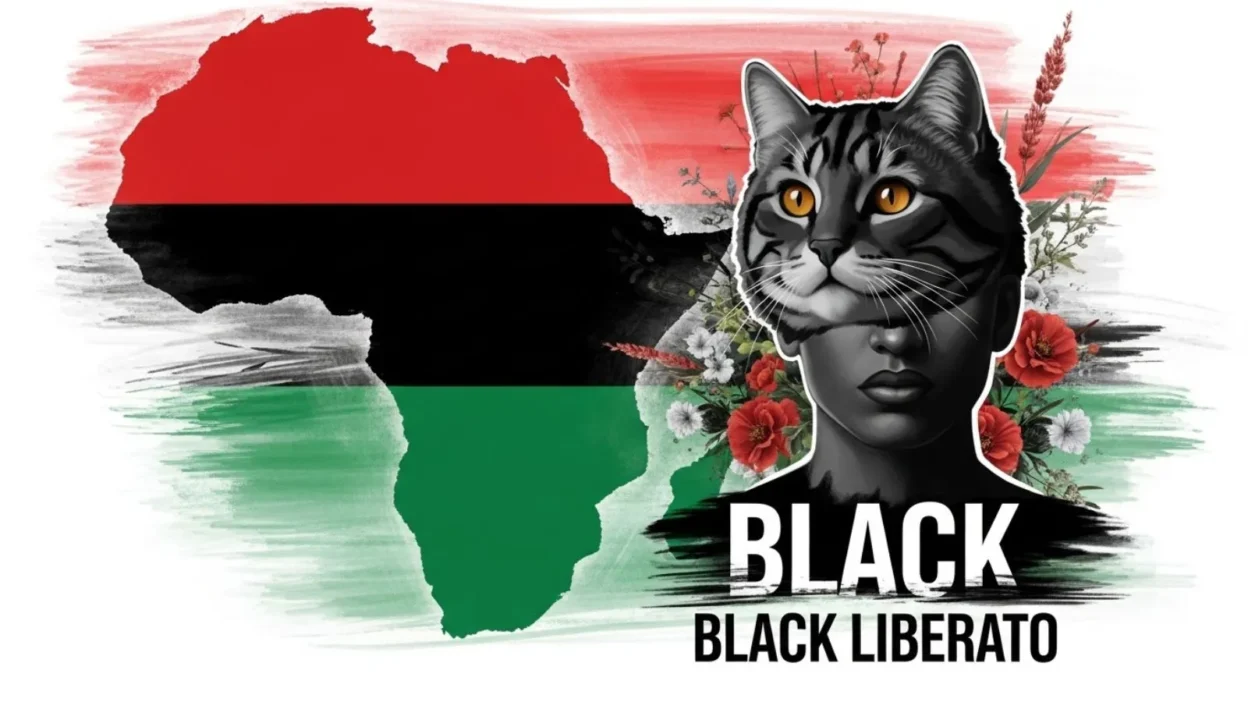
Juneteenth is a historic and meaningful day that represents freedom, justice, and the end of slavery in the United States.
Observed every year on June 19th, Juneteenth marks the moment in 1865 when enslaved African Americans in Texas finally learned they were free more than two years after the Emancipation Proclamation was signed.
This delay makes the day a powerful reminder of both struggle and liberation.
The meaning of Juneteenth goes beyond history; it symbolizes African American resilience, cultural pride, and the ongoing journey toward equality.
It is also known as Freedom Day or Emancipation Day, and is now recognized as a federal holiday in the U.S.
Today, Juneteenth is celebrated with parades, cultural events, music, education, and family gatherings.
Understanding Juneteenth helps us appreciate the importance of freedom and reflect on how far society has come and how much work still remains in achieving true equality for all.
What Does Juneteenth Mean?
The word Juneteenth comes from combining “June” and “nineteenth,” referring to June 19, 1865, the day when enslaved African Americans in Galveston, Texas were officially informed of their freedom. While the Emancipation Proclamation had been issued by President Abraham Lincoln in 1863, it took more than two years for the news to reach all parts of the United States, especially remote areas like Texas. Juneteenth marks this delayed but powerful moment of liberation.
The meaning of Juneteenth is deeply symbolic. It represents not only the end of slavery in the United States but also the beginning of a long journey toward equality, justice, and civil rights. Because of this, Juneteenth is also known by other names such as Freedom Day, Emancipation Day, and Jubilee Day.
Beyond its historical definition, Juneteenth has become a cultural celebration of African American identity, heritage, and resilience. It honors the struggles of enslaved people while celebrating their strength and contributions to society. The day encourages reflection on history, education about racial injustice, and appreciation of freedom.
Today, Juneteenth is recognized as a federal holiday in the United States, showing its importance in national history. It is celebrated with parades, cultural festivals, storytelling, music, and community gatherings. Schools and organizations also use this day to teach the history of slavery and the importance of equality.
In simple terms, Juneteenth means freedom delayed but not denied, and it stands as a reminder that justice, even when slow, is still powerful and transformative.
Historical Background of Juneteenth
To fully understand Juneteenth, it is important to look at the history of slavery in the United States and the events that led to this significant day. For centuries, African Americans were enslaved and forced to work under harsh and inhumane conditions, especially in the southern states. This system of slavery became deeply rooted in the country’s economy and society.
In 1863, during the American Civil War, President Abraham Lincoln issued the Emancipation Proclamation, which declared that all enslaved people in Confederate states were to be set free. However, this proclamation could not be enforced everywhere immediately, especially in areas still controlled by Confederate forces.
One of the most delayed regions was Texas, where slavery continued even after the proclamation. It was not until June 19, 1865, that Union General Gordon Granger arrived in Galveston, Texas, and officially announced that all enslaved people were free and that slavery was abolished. This announcement came more than two years after the Emancipation Proclamation had been signed.
This moment became the foundation of Juneteenth. For the newly freed people, it was a day of joy, relief, and celebration after years of oppression and uncertainty. Over time, Juneteenth became a tradition within African American communities, passed down through generations.
The historical background of Juneteenth highlights both the delayed justice and the resilience of those who endured slavery. It serves as a reminder of how freedom was not instantly granted to all and why remembering this history is essential in understanding the ongoing struggle for equality in society today.
Why Juneteenth is Celebrated
Juneteenth is celebrated because it marks a powerful turning point in American history—the true beginning of freedom for enslaved African Americans in the United States. Although the Emancipation Proclamation was signed in 1863, it was not immediately enforced in all states. On June 19, 1865, when Union troops arrived in Galveston, Texas, and announced that slavery had ended, it finally brought long-awaited freedom to thousands of people. This moment is what Juneteenth honors.
The celebration of Juneteenth is important because it recognizes both the suffering of enslaved people and their strength, endurance, and hope for a better future. It is not only about looking back at history but also about appreciating the progress made toward equality and civil rights.
Juneteenth is also a celebration of African American culture and identity. Over the years, it has become a day filled with pride, reflection, and unity. Communities come together to celebrate through music, food, storytelling, parades, and educational events. These traditions help preserve history while also strengthening cultural connections.
Another reason Juneteenth is celebrated is to raise awareness. Many people are still learning about the history of slavery and emancipation, and this day provides an opportunity to educate new generations about the importance of justice and equality.
Today, Juneteenth is also recognized as a reminder that freedom should never be taken for granted. It encourages people to reflect on past struggles while also working toward a fair and inclusive society. In this way, Juneteenth is both a celebration of freedom gained and a call for continued progress.
How Juneteenth Became a National Holiday
Juneteenth became a national holiday after a long journey of community recognition, activism, and historical awareness. Although the day has been celebrated by African American communities since 1865, it was not officially recognized by the U.S. federal government for more than a century. Early celebrations often included church gatherings, family picnics, music, and storytelling that helped preserve the memory of emancipation.
During the Civil Rights Movement of the 1960s, awareness of Juneteenth grew stronger. Activists emphasized the importance of teaching African American history and recognizing the struggles of enslaved people. This renewed interest helped Juneteenth gain recognition in several U.S. states, starting with Texas in 1980, which became the first state to declare it an official holiday.
Over the following decades, more states began to adopt Juneteenth as a state holiday or day of observance. Educational institutions, cultural organizations, and community leaders played a key role in spreading awareness about its meaning and importance.
A major turning point came in 2021, when Juneteenth was officially declared a federal holiday in the United States. This recognition highlighted its national importance and acknowledged the history of slavery and freedom in American society. The decision also reflected growing public support and increased understanding of racial justice issues.
Today, Juneteenth is not only a celebration within African American communities but also a nationally recognized day of reflection, education, and unity. Its journey to becoming a federal holiday shows how historical awareness and cultural appreciation can lead to meaningful change in society.
Traditions and Celebrations of Juneteenth
Juneteenth is celebrated in many meaningful and joyful ways, especially within African American communities across the United States. These traditions reflect a strong sense of culture, history, and unity while honoring the significance of freedom and emancipation.
One of the most common ways Juneteenth is celebrated is through community gatherings and parades. Cities and towns organize events where people come together to enjoy music, dancing, speeches, and cultural performances. These events often highlight African American history and achievements, helping educate younger generations.
Family cookouts and picnics are also an important part of Juneteenth traditions. Families gather outdoors to share meals, enjoy time together, and celebrate freedom. Traditional foods such as barbecue, red drinks, and soul food dishes are often served, symbolizing strength, resilience, and cultural heritage.
Another key part of the celebration is music and storytelling. Gospel, jazz, blues, and hip-hop performances are common, reflecting the deep cultural roots of African American history. Elders often share stories about past struggles and victories, passing important lessons to younger generations.
Educational activities and workshops are also held during Juneteenth. Schools, museums, and community centers organize programs that teach the history of slavery, emancipation, and civil rights. These activities help ensure that the meaning of Juneteenth is not forgotten.
In addition, many churches hold special services and prayer gatherings, focusing on reflection, gratitude, and unity.
Overall, Juneteenth celebrations are a blend of joy and remembrance. They honor the past while also celebrating progress and encouraging hope for a more equal and just future.
Symbolism of Juneteenth
Juneteenth carries powerful symbols that represent freedom, resilience, and African American heritage. These symbols help people understand the deeper meaning of the holiday beyond its historical event, connecting the past to present-day celebrations of identity and equality.
One of the most recognized symbols of Juneteenth is its flag, which features a bursting star in the center. The star represents Texas, also known as the “Lone Star State,” where the last enslaved people were informed of their freedom in 1865. The burst around the star symbolizes a new beginning, spreading freedom and hope to all enslaved people in the United States. The arc above the star represents a new horizon and future opportunities.
Colors also play an important role in Juneteenth symbolism. The most commonly associated colors are red, green, and black, which reflect African heritage and cultural pride. Red is especially significant, as it represents strength, sacrifice, and the bloodshed of ancestors who endured slavery. It is also commonly seen in traditional foods and celebrations during Juneteenth events.
Another important symbol is the idea of freedom delayed but achieved, which reflects the history of Juneteenth itself. Even though emancipation was declared in 1863, freedom did not reach everyone immediately. This delay highlights the struggles faced by enslaved people and the importance of justice reaching all individuals equally.
Juneteenth also symbolizes unity and progress, encouraging communities to come together and reflect on shared history. It reminds people that freedom is not just a moment in time but an ongoing journey toward equality.
Overall, the symbols of Juneteenth make the holiday more meaningful by connecting history, culture, and hope for a better future.
Juneteenth vs Independence Day
Juneteenth and Independence Day are both important holidays in the United States, but they represent very different moments in history and freedom. Understanding the difference between them helps us better appreciate the full story of American independence and equality.
Independence Day, celebrated on July 4th, marks the signing of the Declaration of Independence in 1776. This day represents the birth of the United States as a nation and the country’s freedom from British rule. It is often associated with national pride, fireworks, and patriotic celebrations.
On the other hand, Juneteenth, observed on June 19th, marks the day in 1865 when enslaved African Americans in Texas were finally informed of their freedom. This happened more than 80 years after Independence Day and over two years after the Emancipation Proclamation was signed. Juneteenth represents the true end of slavery in the United States.
The key difference between the two holidays is who they represent and what freedom means in each context. Independence Day celebrates political freedom for the nation, while Juneteenth celebrates personal freedom for enslaved people who were denied liberty even after it was legally declared.
Another important difference is their historical focus. Independence Day looks at the founding of a nation, while Juneteenth focuses on the struggle for equality and human rights within that nation.
Today, both holidays are important in understanding American history. Together, they show that freedom is not always immediate or equal for everyone. Juneteenth adds depth to the story of independence by highlighting the long journey toward true justice and equality for all people.
Cultural and Social Importance of Juneteenth Today
Today, Juneteenth holds deep cultural and social importance as it continues to shape conversations about history, identity, and equality. What was once a community-based celebration has now become a nationally recognized holiday that encourages reflection on both past struggles and present progress.
Culturally, Juneteenth is a powerful expression of African American heritage. It highlights music, food, storytelling, and traditions that have been passed down through generations. These cultural elements help preserve history while also celebrating creativity, resilience, and unity. Events such as festivals, concerts, and educational programs allow people to connect with African American culture in meaningful ways.
Socially, Juneteenth plays an important role in raising awareness about racial injustice and the history of slavery in the United States. It encourages open discussions about equality, civil rights, and the ongoing challenges faced by marginalized communities. Schools, organizations, and media platforms now use Juneteenth as an opportunity to educate people about these issues.
In modern society, Juneteenth also serves as a reminder of progress. Its recognition as a federal holiday in 2021 showed a growing commitment to acknowledging history more fully and inclusively. It has become a symbol of unity, encouraging people from different backgrounds to come together in respect and understanding.
Globally, Juneteenth is gaining attention as well, helping spread awareness of American history and the universal importance of freedom. It inspires conversations about human rights beyond the United States.
Overall, Juneteenth today is more than a historical remembrance—it is a living celebration of culture, education, and social awareness that continues to inspire change and understanding.
Challenges and Misunderstandings About Juneteenth
Despite its growing recognition, Juneteenth is still widely misunderstood, and many challenges remain in ensuring its full historical meaning is properly understood. One of the biggest issues is lack of awareness, especially outside the United States or among younger generations. Many people know Juneteenth as just another holiday but do not fully understand its connection to slavery, emancipation, and African American history.
Another common misunderstanding is that Juneteenth marks the end of slavery in the entire United States on June 19, 1865. In reality, it represents the day enslaved people in Texas were informed of their freedom, even though the Emancipation Proclamation had been issued in 1863. This delay shows how freedom was not immediately experienced by all people, depending on location and enforcement.
There is also the challenge of commercialization. As Juneteenth becomes more popular, some fear that its deeper historical meaning may be overshadowed by marketing, sales events, or simplified celebrations. This can reduce awareness of the real struggles and sacrifices behind the holiday.
In addition, not all educational systems fully teach Juneteenth’s history, which leads to gaps in understanding. Without proper education, the significance of the day can be lost or misinterpreted.
Socially, discussions about race and history can sometimes be sensitive, making it difficult for some communities to openly engage with the topic. However, these conversations are important for building awareness and promoting equality.
Overall, the challenges and misunderstandings surrounding Juneteenth highlight the need for better education, accurate storytelling, and respectful celebration. Understanding its true meaning ensures that the history of freedom and struggle is honored correctly and passed on to future generations.
Lessons We Learn from Juneteenth
Juneteenth teaches many important lessons about history, freedom, and human resilience. One of the most powerful lessons is that freedom and justice are not always immediate. Even after the Emancipation Proclamation was signed in 1863, it took more than two years for enslaved people in Texas to learn they were free. This reminds us that laws alone are not enough unless they are properly enforced and communicated.
Another key lesson is the importance of remembering history honestly. Juneteenth encourages people to reflect on the realities of slavery, including the suffering, injustice, and inequality that existed for centuries. By understanding the past, societies can better avoid repeating the same mistakes in the future.
Juneteenth also teaches the value of resilience and hope. Despite facing extreme hardship, enslaved African Americans held onto hope for freedom and built strong cultural traditions that continue to influence society today. Their strength is an important reminder of human courage in the face of injustice.
A further lesson is the importance of unity and equality. Juneteenth brings people together to celebrate freedom while also recognizing the need for continued progress in civil rights. It shows that true freedom means equality for everyone, regardless of race or background.
Finally, Juneteenth highlights the role of education and awareness. Learning about this history helps new generations understand the struggles that shaped modern society and inspires them to build a fairer future.
Overall, Juneteenth is not just a historical event—it is a lesson in justice, perseverance, and the ongoing journey toward a more equal and compassionate world.
The Future of Juneteenth
The future of Juneteenth looks increasingly significant as awareness of the holiday continues to grow across the United States and around the world. What began as a community celebration has now become a national holiday, and its role in education, culture, and social understanding is expected to expand even further in the coming years.
One of the most important aspects of Juneteenth’s future is education. Schools, colleges, and universities are gradually including more accurate and detailed lessons about slavery, emancipation, and African American history. As this continues, younger generations will develop a deeper understanding of why Juneteenth matters and what it represents.
Another important direction is global awareness. While Juneteenth is rooted in American history, its themes of freedom, justice, and equality are universal. As information spreads through media and digital platforms, more countries are beginning to recognize its importance and connect it with broader human rights discussions.
Culturally, Juneteenth is also expected to grow through larger celebrations and public events. Festivals, art exhibitions, music performances, and community programs are becoming more widespread, helping preserve traditions while also attracting diverse participation.
At the same time, there is a growing effort to ensure Juneteenth remains focused on its true historical meaning, rather than being overly commercialized. Advocates emphasize the importance of keeping its educational and cultural roots strong.
Overall, the future of Juneteenth is about deeper understanding, wider recognition, and stronger cultural appreciation. It is likely to continue evolving as a day that not only honors the past but also inspires ongoing conversations about equality, justice, and unity for all people.
Frequently Asked Questions (FAQ) About Juneteenth
What is the meaning of Juneteenth?
Juneteenth means June 19th, the day in 1865 when enslaved African Americans in Texas were finally informed that they were free. It symbolizes the end of slavery in the United States and the beginning of freedom for all.
Why is Juneteenth important?
Juneteenth is important because it represents freedom, justice, and equality. It reminds us of the struggles of enslaved people and highlights the long journey toward civil rights in America.
Is Juneteenth a national holiday?
Yes, Juneteenth became a federal holiday in the United States in 2021, making it an officially recognized day of celebration and reflection nationwide.
What happened on June 19, 1865?
On this day, Union General Gordon Granger arrived in Galveston, Texas, and announced that all enslaved people were free—more than two years after the Emancipation Proclamation.
How is Juneteenth celebrated?
Juneteenth is celebrated with parades, cultural festivals, family gatherings, music, food, and educational events that honor African American history and culture.
What is the difference between Juneteenth and Independence Day?
Independence Day (July 4) celebrates America’s independence from Britain, while Juneteenth celebrates the end of slavery in the United States.
What does the Juneteenth flag mean?
The flag symbolizes freedom and a new beginning. The bursting star represents Texas, and the surrounding design reflects the spread of freedom across the country.
Why is Juneteenth called Freedom Day?
It is called Freedom Day because it marks the moment when enslaved people were finally told they were free, symbolizing liberation and hope.
Conclusion
Juneteenth is more than just a historical date it is a powerful reminder of freedom, struggle, and progress.
It marks the day in 1865 when enslaved African Americans in Texas finally learned they were free, making it a symbol of delayed justice and long-awaited liberation.
Over time, Juneteenth has grown into a meaningful celebration of African American culture, identity, and resilience.
Today, it is recognized as a federal holiday in the United States and is observed through parades, cultural events, education, and family gatherings.
The meaning of Juneteenth goes beyond celebration; it encourages reflection on history and awareness of ongoing efforts toward equality and justice.