Wreaths are more than just decorative piecesm they carry a rich history and deep symbolism that has fascinated cultures for centuries.
If hung on doors, walls, or altars, a wreath represents continuity, unity, and the cyclical nature of life. From the evergreen branches of a Christmas wreath symbolizing eternal life to floral designs that celebrate love, beauty, and seasonal change, wreaths convey messages far beyond their visual appeal.
Understanding the meaning of a wreath can deepen our appreciation for its presence in homes, ceremonies, and cultural traditions.
Today, wreaths are used in celebrations like weddings, holidays, and memorials, but their symbolism stretches back to ancient Greece and Rome, where they signified victory and honor.
In this article, we’ll explore the fascinating world of wreaths, uncover their historical and cultural roots, and explain how different types carry unique meanings, helping you choose or create the perfect wreath for any occasion.
What Is a Wreath?
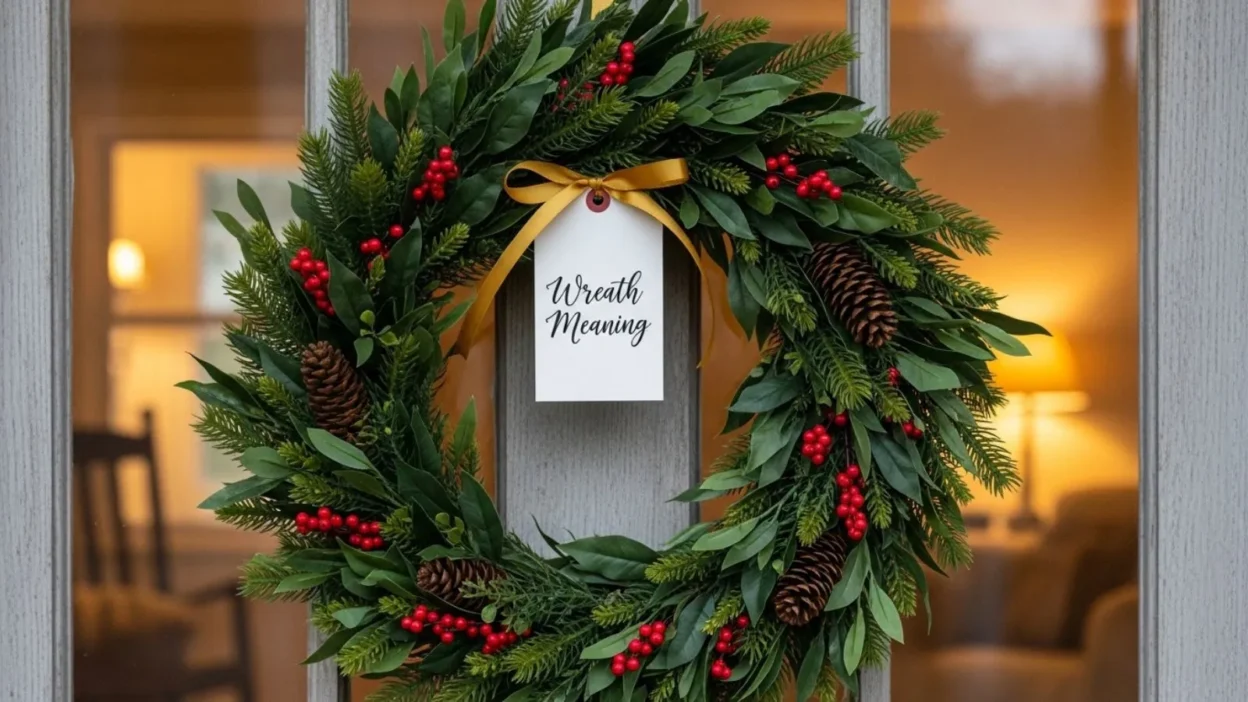
A wreath is a circular arrangement of flowers, leaves, twigs, or other materials, often designed for decoration, celebration, or symbolic purposes. The most recognizable feature of a wreath is its circular shape, which represents eternity, unity, and the continuous cycle of life—no beginning and no end. This makes wreaths not only aesthetically pleasing but also deeply meaningful.
Wreaths can be made from a variety of materials. Evergreen branches, such as pine, holly, or fir, are commonly used for their symbolism of resilience, eternal life, and hope. Fresh or dried flowers add color and beauty, while herbs and grains can signify prosperity, protection, and healing. In modern times, wreaths may also incorporate ribbons, beads, ornaments, or even recycled materials for creative expression.
The shapes and sizes of wreaths vary widely. While round wreaths are most traditional, heart-shaped, star-shaped, or even oval wreaths are increasingly popular for special occasions like weddings, holidays, and commemorations. Small wreaths can adorn doors or windows, while larger wreaths are often used as centerpieces or ceremonial displays.
Beyond decoration, a wreath carries symbolic meaning depending on its context. It can honor the memory of loved ones, celebrate seasonal changes, or mark significant life events. Understanding what a wreath is and the intention behind its design allows us to appreciate its beauty, purpose, and cultural significance.
History of Wreaths
The history of wreaths dates back thousands of years, spanning different civilizations and cultures. In ancient Greece, wreaths were commonly made from laurel leaves and worn as crowns to honor victorious athletes, military leaders, and scholars. These laurel wreaths symbolized achievement, glory, and immortality, becoming a powerful emblem of status and recognition.
In ancient Rome, wreaths held a similar significance. They were used during celebrations, ceremonies, and religious rituals. Roman soldiers often wore laurel wreaths to signify victory, while citizens displayed decorative wreaths in their homes to celebrate festivals or important life events.
As time progressed, wreaths became an important symbol in Christian traditions. During the medieval period, they were used in religious ceremonies and feasts, representing eternal life and divine protection. The circular shape came to symbolize the unending nature of God’s love, and evergreens were incorporated to signify hope and renewal, particularly during winter festivals.
In more recent centuries, wreaths evolved into decorative art forms for homes and public spaces. They became popular for holidays like Christmas, where evergreen wreaths symbolize eternal life, and for weddings and funerals, where wreaths convey love, honor, and remembrance.
Today, wreaths are more than just seasonal decor; they are cultural icons that bridge past and present. Understanding the historical origins of wreaths not only enhances their symbolic value but also shows how they have remained relevant across time, serving as a connection between tradition, celebration, and meaning.
Symbolism and Meaning of Wreaths
Wreaths carry rich symbolism, making them more than just decorative items. Their circular shape is central to their meaning, representing eternity, unity, and the never-ending cycle of life. This shape reflects the natural rhythms of the seasons, human life, and spiritual continuity, which is why wreaths have been used in rituals and ceremonies for centuries.
The materials used in a wreath also add layers of significance. Evergreen branches, commonly used in holiday wreaths, symbolize immortality, resilience, and hope, as they remain vibrant even in the coldest seasons. Flowers, on the other hand, represent beauty, love, and seasonal renewal, while herbs and grains often convey protection, prosperity, and healing. The choice of color further communicates meaning: green for growth and life, red for love and passion, and white for purity and remembrance.
Beyond materials and colors, wreaths have symbolic roles in different contexts. In funerals, wreaths honor the deceased and symbolize eternal life. In weddings, they signify love, unity, and continuity in the couple’s journey together. Seasonal wreaths mark celebrations like Christmas or harvest festivals, conveying hope, joy, and gratitude.
Even today, wreaths are used as symbols of welcome, peace, and community when displayed on doors and entrances. Understanding the symbolism behind a wreath allows us to see its deeper meaning, making it not only a beautiful decoration but also a reflection of cultural, spiritual, and emotional significance that transcends time.
Types of Wreaths and Their Meanings
Wreaths come in various types, each carrying its own unique symbolism and purpose. Understanding these differences can help you choose the perfect wreath for your home, event, or special occasion.
Christmas wreaths are perhaps the most well-known, traditionally made from evergreen branches. They symbolize eternal life, hope, and renewal, serving as a joyful decoration during the holiday season. Funeral wreaths, often composed of white flowers or lilies, convey respect, remembrance, and eternal life, offering comfort to grieving families.
Wedding wreaths are another popular type, representing love, unity, and prosperity. Floral wreaths worn by brides or used as décor signify beauty and the continuity of a couple’s journey together. Seasonal wreaths reflect the changing nature of the year, such as autumn wreaths made with leaves, pinecones, or pumpkins, celebrating the harvest and abundance. Spring wreaths often feature fresh flowers, symbolizing renewal and new beginnings.
There are also herbal or floral wreaths, which can carry meanings of protection, healing, and good fortune. For example, rosemary or lavender wreaths are believed to bring calmness, clarity, and spiritual balance.
Modern wreaths may also include unique materials like ribbons, ornaments, or recycled items, allowing for creative expression while still maintaining symbolic meaning. Whether for celebration, remembrance, or decoration, each type of wreath tells a story, making it more than just a visual centerpiece—it becomes a meaningful expression of culture, tradition, and personal sentiment.
Wreaths in Different Cultures and Traditions
Wreaths have played an important role in cultures and traditions around the world, each using them to convey unique meanings and celebrate life’s milestones. In ancient Greece, wreaths were crafted from laurel leaves and worn as crowns to honor victorious athletes, scholars, and leaders. They symbolized achievement, glory, and immortality. Similarly, in ancient Rome, wreaths were used during religious ceremonies, festivals, and public events to celebrate victories and mark significant occasions.
In Christian traditions, wreaths became deeply symbolic. The Advent wreath, a circular arrangement with candles, marks the weeks leading to Christmas and represents hope, love, joy, and peace. Evergreen wreaths used during Christmas symbolize eternal life and divine protection. Wreaths are also common in weddings and funerals, signifying love, unity, remembrance, and spiritual continuity.
In Pagan and Wiccan traditions, wreaths symbolize fertility, seasonal cycles, and protection. Herbal wreaths made from plants like rosemary, sage, or ivy are believed to bring luck, healing, and harmony.
Across Asian cultures, floral garlands and wreath-like arrangements are used in festivals, weddings, and religious ceremonies, often representing respect, purity, and blessing.
Today, wreaths are embraced worldwide as symbols of welcome, celebration, and commemoration. Understanding their cultural significance allows us to appreciate how a simple circular arrangement of materials can carry such rich historical and spiritual meaning, connecting people across time, traditions, and continents.
Occasions to Use a Wreath
Wreaths are versatile decorations that can enhance a variety of occasions, each carrying symbolic meaning appropriate for the event. One of the most popular uses is during holidays. For example, Christmas wreaths made of evergreens, ribbons, and ornaments symbolize eternal life, hope, and festivity. They are commonly displayed on doors, windows, and mantels, welcoming guests with a sense of joy and celebration.
Wreaths are also meaningful in weddings. Floral or greenery wreaths can adorn entrances, tables, or even the bride and bridesmaids, symbolizing love, unity, and a prosperous future together. They serve as elegant décor that adds both beauty and deeper sentiment to the ceremony.
Funerals and memorials often feature wreaths as a sign of respect, honor, and remembrance. White flowers and circular shapes convey eternal life and provide comfort to grieving families while paying tribute to the deceased.
In addition to these formal occasions, wreaths can be used for seasonal home décor. Autumn wreaths with leaves, pinecones, and pumpkins celebrate the harvest, while spring wreaths with fresh flowers symbolize renewal and new beginnings. Wreaths are also suitable for special events such as birthdays, anniversaries, or community celebrations, adding a decorative and symbolic touch.
Ultimately, wreaths are more than just decoration—they carry meaning that aligns with the occasion, making every display thoughtful and purposeful. Choosing the right type of wreath ensures that it complements both the event and the message you want to convey.
How to Choose the Right Wreath
Choosing the right wreath involves considering the occasion, materials, symbolism, and overall style. The first step is to consider the event or purpose. Since holidays like Christmas, evergreen wreaths with festive decorations are ideal. For weddings, floral wreaths or delicate greenery convey love, unity, and elegance. For funerals, white or muted tones are preferred to reflect respect, remembrance, and solemnity.
Next, think about materials and longevity. Fresh wreaths, made from flowers or greenery, provide vibrant color and fragrance but require care to maintain their freshness. Artificial wreaths, on the other hand, are durable, reusable, and ideal for long-term décor or outdoor display. The choice depends on whether you prioritize natural beauty or lasting convenience.
Color and design are also important. A wreath should complement its environment or theme. For example, a bright floral wreath can enhance a spring celebration, while a more subdued palette may suit formal or reflective occasions. Personal touches like ribbons, ornaments, or charms can add meaning or individuality.
Finally, consider the symbolic significance of your wreath. Every material, shape, and color can convey a message—evergreens for eternal life, flowers for beauty, or specific herbs for luck and protection. Selecting a wreath with thoughtful symbolism adds depth and relevance to your decoration.
By carefully considering these factors, you can choose a wreath that is visually appealing, meaningful, and perfectly suited to the occasion, creating a lasting impression for yourself and your guests.
DIY Wreaths and Crafting Ideas
Creating your own wreath is a fun and meaningful way to personalize your décor while embracing the symbolism behind it. DIY wreaths allow you to choose materials, colors, and styles that reflect your personality, the season, or the occasion.
To start, select a base for your wreath. Common options include wire, foam, grapevine, or wooden hoops. Each base offers different levels of flexibility and durability, depending on whether your wreath will be temporary or long-lasting. Next, gather materials such as evergreens, flowers, herbs, ribbons, pinecones, or seasonal elements like pumpkins or ornaments. Fresh greenery gives a natural fragrance and vibrant look, while artificial items ensure longevity.
When assembling your wreath, consider balance and layering. Start with the largest elements, like branches or flowers, and gradually add smaller decorations, securing them with floral wire, glue, or twine. Adding ribbons or charms can give your wreath a personal touch and enhance its symbolism.
Seasonal DIY ideas are endless. Spring wreaths with fresh blooms celebrate renewal and new beginnings, while autumn wreaths with leaves and pinecones symbolize abundance and gratitude. Holiday wreaths can incorporate lights, ornaments, or themed colors to create festive cheer.
DIY wreaths not only beautify your home but also allow you to create a meaningful expression for any occasion. By crafting your own, you combine creativity, symbolism, and personal sentiment into a single decorative piece that reflects both tradition and individuality.
Caring for Your Wreath
Proper care ensures that your wreath remains beautiful and lasts as long as possible, whether it is made from fresh or artificial materials. The care approach varies depending on the type of wreath and its placement.
For fresh wreaths, such as those made from evergreen branches or flowers, keeping them hydrated is essential. Mist the wreath lightly with water every few days to prevent dryness, especially in warm or indoor environments. Avoid placing fresh wreaths in direct sunlight or near heat sources, as this can cause fading or wilting. For outdoor placement, choose a sheltered spot to protect the wreath from wind, rain, and extreme temperatures.
Artificial wreaths are easier to maintain and can be reused for multiple seasons. Dust them regularly using a soft cloth or a gentle brush to maintain their appearance. For stubborn dirt or grime, a mild soap solution can be used, followed by thorough drying to prevent damage. Store artificial wreaths in a cool, dry place when not in use, preferably in a protective box or bag to prevent deformation.
Seasonal maintenance also matters. Remove any wilted or damaged elements from fresh wreaths to keep them looking fresh. For artificial wreaths, check for loose decorations and secure them with glue or wire as needed.
By following these care tips, you can enjoy your wreath for longer, preserving both its visual appeal and symbolic meaning. Proper maintenance ensures that your wreath continues to serve as a beautiful and meaningful decoration for your home or event.
Fun Facts About Wreaths
Wreaths are not only symbolic and decorative—they also have fascinating stories and unique uses throughout history and around the world. One interesting fact is that the largest wreath ever made measured over 20 feet in diameter, showcasing how these circular creations can be scaled up for public displays and record-breaking celebrations.
In ancient cultures, wreaths were often made from herbs, flowers, and metals, each carrying specific meanings. For example, in Greece and Rome, laurel wreaths were awarded to victorious athletes and military leaders as a symbol of honor and achievement, a tradition that influenced modern graduation ceremonies and award practices.
Many people don’t realize that wreaths were also used as protection charms. In some European traditions, hanging a wreath on a door was believed to ward off evil spirits, bring good luck, and protect the household. Similarly, certain herbs and flowers were included in wreaths for their supposed healing or spiritual properties.
Wreaths have also inspired art and fashion. Designers and artists have incorporated wreath motifs into jewelry, clothing, and even architecture, highlighting their timeless aesthetic appeal.
Today, wreaths continue to evolve, with creative designs using recycled materials, lights, and unconventional items like seashells or feathers. Despite these modern innovations, the core symbolism of unity, continuity, and celebration remains intact, proving that wreaths are much more than simple decorations—they are enduring cultural icons that connect tradition, creativity, and meaning across generations.
FAQs:
1. What does a wreath symbolize?
A wreath generally symbolizes eternity, unity, and the cyclical nature of life due to its circular shape. Depending on the materials used, it can also represent love, hope, remembrance, or protection.
2. Why are wreaths used during holidays?
Holiday wreaths, especially at Christmas, use evergreens to symbolize eternal life, resilience, and renewal. They are displayed to bring festive cheer and to represent continuity and hope during the winter season.
3. What is the difference between a funeral and a wedding wreath?
Funeral wreaths are usually made of white flowers and muted tones to honor the deceased and symbolize eternal life and remembrance. Wedding wreaths often use vibrant flowers or greenery to represent love, unity, and prosperity for the couple.
4. Can I make a wreath myself?
Yes! DIY wreaths are popular and allow you to choose materials, colors, and decorations that reflect your personality or the occasion. Common bases include wire, grapevine, or foam, decorated with flowers, ribbons, or seasonal items.
5. How long do wreaths last?
Fresh wreaths typically last a few weeks with proper care, while artificial wreaths can last for years if stored and maintained correctly. Placement, hydration, and protection from sunlight or extreme weather affect longevity.
Conclusion
Wreaths are more than decorative pieces they are timeless symbols of unity, eternity, and celebration.
From their origins in ancient Greece and Rome to their modern use in weddings, holidays, and memorials, wreaths carry deep historical, cultural, and spiritual significance.
The circular shape represents continuity, while the materials evergreens, flowers, herbs, or ribbons add layers of meaning such as hope, love, remembrance, and protection.
If displayed on a door, used as a centerpiece, or crafted as a DIY project, wreaths offer a unique way to express personal sentiment while honoring tradition.
Understanding the meaning behind different types of wreaths helps us appreciate their symbolism and choose the perfect design for any occasion.
By embracing both their beauty and significance, wreaths continue to connect people across generations, cultures, and celebrations, making them timeless icons of life, love, and continuity.