
Understanding your baby’s sleep patterns can feel like cracking a secret code and one of the most important pieces of that puzzle is wake windows.
A wake window is simply the amount of time your baby can comfortably stay awake between naps without becoming overtired.
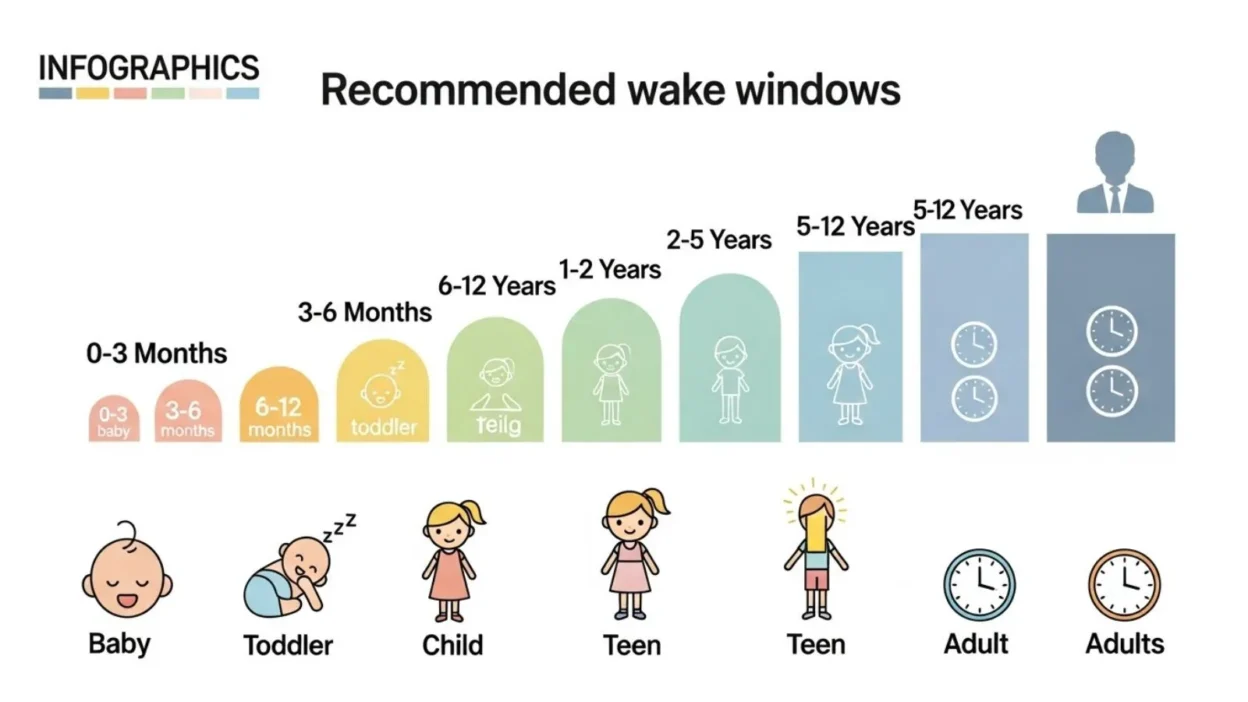
These windows vary dramatically depending on age, from a newborn who may only stay awake 30–60 minutes at a time, to a preschooler who can stay awake for five or six hours.
Getting wake windows right isn’t just about naps it impacts your baby’s mood, feeding schedule, and nighttime sleep.
Parents who pay attention to age appropriate wake times often notice calmer, happier days and smoother bedtimes.
In this guide, we’ll break down wake windows by age, explain how to read your baby’s sleep cues, and provide practical tips for establishing a healthy, predictable sleep routine for infants, toddlers, and preschoolers alike.
What Are Wake Windows?
Wake windows are the periods of time a baby or toddler can comfortably stay awake between naps. Unlike adults, babies cannot stay awake for long stretches without becoming overtired, fussy, or having difficulty falling asleep. A wake window is not simply “time since the last nap”—it’s the ideal awake period for a child’s age and developmental stage.
For newborns, wake windows are very short, often just 30–60 minutes, because their brains and bodies are still adjusting to the world outside the womb. As babies grow, their wake windows gradually increase, allowing them to stay alert, explore, and engage with their environment without becoming exhausted. By understanding wake windows, parents can create a predictable sleep routine, reducing fussiness, sleep struggles, and nighttime awakenings.
Wake windows also play a key role in regulating the body’s circadian rhythm, helping your baby develop consistent daytime and nighttime sleep patterns. Observing your child’s cues—like yawning, rubbing eyes, or fussiness—can tell you when it’s time for a nap or bedtime. Ignoring these cues and letting a baby stay awake too long can lead to overtiredness, which ironically makes falling asleep more difficult.
In short, wake windows are the building blocks of healthy sleep. Knowing the right awake times for each age ensures your baby gets enough rest, stays happier during the day, and develops long-term sleep habits that benefit the whole family.
Sleep Cues and Signs Your Baby is Tired
Recognizing when your baby is tired is essential for maintaining healthy wake windows. Babies cannot always tell us when they’re ready to sleep, so they rely on behavioral and physical cues. Learning these signs helps parents avoid overtiredness, which can make it harder for a baby to fall asleep and stay asleep.
Common early sleep cues include yawning, rubbing eyes, staring off into space, or becoming quieter and less engaged with their surroundings. These signals indicate that your baby is reaching the end of their wake window and is ready for a nap. Responding to these cues promptly often results in smoother naps and better overall sleep.
Late sleep cues, which appear if a baby stays awake too long, can include fussiness, arching the back, jerky movements, or even crying. At this stage, your baby’s nervous system is overstimulated, and it may take longer to settle down. This is why timing naps according to wake windows is so important.
It’s also important to note that sleep cues change with age. Newborns may display subtle signs like turning their head away from stimulation, while older infants and toddlers may become clingy or irritable. Observing and learning your child’s unique cues helps you adjust wake windows, ensuring naps and bedtime happen at the right moments.
By understanding and responding to these cues, parents can prevent overtiredness, promote healthy sleep habits, and keep their baby happier and more alert during awake periods.
Wake Windows by Age: Newborns (0–2 Months)
Newborns have the shortest wake windows of any age, typically lasting 30 to 60 minutes. At this stage, their brains and bodies are rapidly developing, and they tire quickly from even brief periods of activity. Understanding and respecting these short wake windows is crucial for preventing overtiredness and promoting healthy sleep patterns.
During this period, newborns mostly eat, sleep, and need comfort. Signs that they are ready for sleep include subtle cues like turning their head away, closing their eyes, or becoming less responsive to stimuli. Because newborns cannot stay awake for long, attempting to extend awake time often backfires, resulting in fussiness, crying, or difficulty falling asleep.
Newborns’ sleep cycles are irregular, with naps scattered throughout the day and night. Many will sleep 14 to 17 hours in 24 hours, broken into short stretches of 2–4 hours. This means parents should focus on creating a flexible routine rather than a strict schedule. Responsive parenting—watching for sleep cues and adjusting awake times accordingly—is key at this stage.
Tips for managing newborn wake windows include swaddling, gentle rocking, and dimming lights during nap times. Even short naps are restorative, allowing your baby to grow, develop, and gradually build the stamina for longer wake periods. By respecting newborn wake windows, parents can help establish a foundation for healthy sleep habits that will support their baby’s development in the months to come.
Wake Windows for Infants (3–6 Months)
As babies grow from newborns into infants, their wake windows gradually increase. By 3–6 months, most babies can comfortably stay awake for 60 to 120 minutes between naps. This period allows them to engage more with their environment, practice new skills, and enjoy longer periods of alert interaction.
During this stage, babies are more active and curious, which can sometimes make it tricky for parents to gauge when they’re tired. Key sleep cues include yawning, rubbing eyes, staring off, fussiness, or becoming less responsive to play. Watching for these signs helps parents maintain age-appropriate wake windows and avoid overtiredness.
Infants at this age typically need 3–4 naps per day, with daytime sleep totaling 3–5 hours. Nighttime sleep often becomes longer and more consolidated, ranging from 9–12 hours with occasional feeds. Keeping wake windows consistent supports both daytime naps and nighttime sleep, making bedtime smoother and less stressful for both baby and parents.
Tips for managing wake windows in this stage include following your baby’s cues rather than the clock, providing calm and consistent pre-nap routines, and adjusting nap lengths as needed. Growth spurts, developmental milestones, or minor illnesses can temporarily affect awake times, so flexibility is key.
By understanding and respecting wake windows for 3–6 month-olds, parents can help their infants develop healthy sleep habits, stay happier and more alert during awake periods, and gradually build the foundation for longer, more predictable sleep cycles in the months ahead.
Wake Windows for Older Infants (6–12 Months)
By the time babies reach 6–12 months, their wake windows have expanded to about 2–3 hours, allowing for longer periods of play, exploration, and interaction. This stage is marked by significant developmental milestones—sitting, crawling, and even early walking—so babies need ample awake time to practice new skills while still getting sufficient rest.
Older infants generally transition to 2 naps per day, with daytime sleep totaling around 2–4 hours. Nighttime sleep often becomes more consolidated, ranging from 10–12 hours, though some babies may still wake occasionally for feeds. Maintaining consistent wake windows helps regulate both nap and nighttime sleep, reducing fussiness and sleep disruptions.
Signs that a baby is ready for sleep include yawning, eye rubbing, fussiness, and decreased interest in toys or interaction. Responding promptly to these cues prevents overtiredness, which can make it harder for a baby to settle down.
Parents should also be aware of factors that can temporarily affect wake windows at this stage, such as teething, growth spurts, or illness. Flexibility is key—some days your baby may need shorter or longer awake periods.
Practical tips include keeping playtime engaging but not overstimulating, following a consistent pre-nap routine, and gradually adjusting wake windows as your baby grows. By respecting age-appropriate wake windows, parents can support older infants’ sleep quality, mood, and overall development, setting the stage for smooth transitions into toddlerhood.
Wake Windows for Toddlers (1–3 Years)
Toddlers experience a significant shift in wake windows compared to infants. Between ages 1 and 3 years, most children can comfortably stay awake for 3 to 5 hours at a time, depending on their individual temperament and activity level. At this stage, children are more physically active, curious, and socially engaged, which makes age-appropriate wake windows essential to prevent overtiredness and crankiness.
Most toddlers transition from two naps to one longer nap per day, typically in the early afternoon. Nighttime sleep generally remains between 10–12 hours, though bedtime routines and consistency remain key to ensuring adequate rest. Skipping naps occasionally may be appropriate for older toddlers, but maintaining a predictable schedule usually results in calmer afternoons and smoother evenings.
Sleep cues in toddlers can be similar to infants but may include rubbing eyes, yawning, clinginess, irritability, or even hyperactivity if they are overtired. Parents should observe these signs closely and adjust wake windows as needed, balancing daily activity with rest periods.
Tips for managing toddler wake windows include creating a consistent nap and bedtime routine, offering quiet wind-down activities before sleep, and being flexible during periods of illness, travel, or heightened activity. Recognizing that each child is unique and may need slightly longer or shorter wake windows helps prevent overtiredness and supports better behavior, mood, and overall development.
By following age-appropriate wake windows, parents can foster healthy sleep habits, ensure toddlers get sufficient rest, and promote positive daily rhythms that support growth and learning.
Wake Windows for Preschoolers (3–5 Years)
Preschoolers, aged 3 to 5 years, can typically stay awake for 5 to 6 hours between sleep periods. By this age, many children are reducing or even skipping naps, relying more on nighttime sleep to meet their daily rest needs. Understanding and adjusting wake windows during this stage helps support mood, behavior, and overall health.
Most preschoolers need around 10–12 hours of sleep each night, although some may still benefit from a short daytime nap. Consistent wake windows and bedtime routines are key to preventing overtiredness, which can manifest as irritability, hyperactivity, or difficulty settling at night. Sleep cues may include yawning, eye rubbing, crankiness, or decreased attention during activities.
During this stage, preschoolers are highly active, exploring the world, learning new skills, and developing social interactions. Managing wake windows means balancing stimulating activities with quiet periods, especially as bedtime approaches. Maintaining a consistent daily schedule helps children anticipate rest times and supports the natural development of their circadian rhythm.
Tips for parents include providing a predictable bedtime routine, offering calm wind-down activities, and being flexible with naps when needed. Some preschoolers may skip naps occasionally without adverse effects, but overtired children often experience disrupted sleep and daytime crankiness.
By respecting age-appropriate wake windows, parents can ensure preschoolers get the rest they need, enjoy alert and happy daytime hours, and develop healthy long-term sleep habits that will carry into school years and beyond.
Tips for Managing Wake Windows
Managing wake windows effectively is key to promoting healthy sleep habits and preventing overtiredness in babies, toddlers, and preschoolers. While age-specific guidelines provide a framework, every child is unique, so observing sleep cues and adjusting accordingly is essential.
One of the most important strategies is tracking awake times. Keeping a simple log of naps and bedtime can help parents notice patterns and identify when a child is approaching the end of their wake window. Many parents use apps, journals, or charts to make this process easier.
Reading your child’s cues is another critical tip. Early signals like yawning, eye rubbing, or decreased engagement indicate it’s time for a nap, while late cues such as fussiness, irritability, or hyperactivity show the child may already be overtired. Responding promptly ensures naps and bedtime are more successful.
Consistency is also crucial. Maintaining regular nap times and bedtime routines reinforces your child’s natural sleep rhythm, making it easier for them to fall asleep and stay asleep. Gentle pre-nap and bedtime rituals—such as reading a book, dimming lights, or calming activities—can signal that it’s time to rest.
Finally, flexibility is important. Growth spurts, developmental milestones, travel, or minor illnesses may temporarily affect wake windows. Adjusting schedules while keeping routines familiar helps children stay well-rested and balanced.
By following these tips, parents can manage wake windows more effectively, support their child’s development, mood, and energy levels, and cultivate healthy, predictable sleep habits that benefit the entire family.
Common Mistakes Parents Make
Even the most attentive parents can unintentionally disrupt their child’s sleep by mismanaging wake windows. Understanding these common mistakes can help prevent overtiredness and improve overall sleep quality for babies, toddlers, and preschoolers.
One frequent mistake is overestimating or underestimating wake windows. Some parents keep babies awake too long in an attempt to consolidate naps or extend nighttime sleep. This often backfires, as overtired babies can become fussy, irritable, and harder to settle. Conversely, putting a child down too early can lead to short naps or difficulty falling asleep later.
Another common error is ignoring sleep cues. Every child displays unique signs of tiredness, and failing to respond promptly can result in prolonged fussiness, difficulty napping, or early nighttime awakenings. Parents who rely solely on clocks instead of observing their baby may miss these important cues.
Inconsistent routines also interfere with healthy wake windows. Irregular nap times, bedtimes, or varying daily schedules can confuse a child’s circadian rhythm, leading to sleep struggles.
Finally, overstimulating a child before naps or bedtime is a frequent mistake. High-energy activities, screen time, or chaotic environments can make it difficult for children to transition to rest, even if they are tired.
By recognizing and avoiding these mistakes, parents can more effectively manage wake windows, support healthy sleep patterns, and reduce stress during bedtime. Following age-appropriate awake times, observing cues, and maintaining consistent routines help children sleep better, stay happier, and thrive during their waking hours.
FAQs About Wake Windows
Many parents have questions about wake windows and how they affect their child’s sleep. Understanding the answers can help make naps and bedtime smoother and reduce stress for both parents and children.
1. What happens if my baby stays awake too long?
If a baby exceeds their wake window, they may become overtired, leading to fussiness, crying, difficulty falling asleep, or shorter naps. Ironically, staying awake too long can make it harder for them to settle, so timely naps are essential.
2. Can wake windows change day to day?
Yes. Wake windows can vary slightly based on factors such as growth spurts, teething, illness, or changes in routine. Observing sleep cues each day is important, rather than relying solely on a strict schedule.
3. How do I handle inconsistent wake windows?
Track awake times and watch for sleep cues. Adjust nap times gradually to align with your child’s natural rhythms, and maintain consistent bedtime routines to reinforce healthy sleep habits.
4. Is it okay for older toddlers to skip naps occasionally?
Yes, some toddlers can skip naps occasionally without affecting nighttime sleep. However, overtired toddlers may become irritable or hyperactive, so adjust bedtime earlier if needed.
5. Can wake windows affect nighttime sleep quality?
Absolutely. Proper wake windows support daytime sleep and reduce overtiredness, helping children fall asleep more easily at night and enjoy deeper, more restorative sleep.
Conclusion:
Understanding and managing wake windows by age is one of the most effective ways to support healthy sleep habits for babies, toddlers, and preschoolers.
Wake windows the periods of time a child can comfortably stay awake between naps change significantly as children grow, from the short 30–60 minute intervals for newborns to the 5–6 hour stretches common in preschoolers.
Recognizing these differences helps parents prevent overtiredness, improve mood, and make naps and bedtime smoother.
Observing your child’s sleep cues, such as yawning, eye rubbing, or fussiness, is crucial.
While age-based schedules provide guidance, flexibility is key because each child is unique.
Growth spurts, teething, illness, or changes in routine can temporarily alter wake windows, and adjusting accordingly ensures your child stays well-rested and happy.
Maintaining consistent routines, tracking awake times, and using gentle pre-nap or bedtime rituals can further improve sleep quality and support overall development.
Properly managed wake windows not only promote better daytime behavior but also help children sleep more soundly at night, creating a positive cycle that benefits the entire family.