
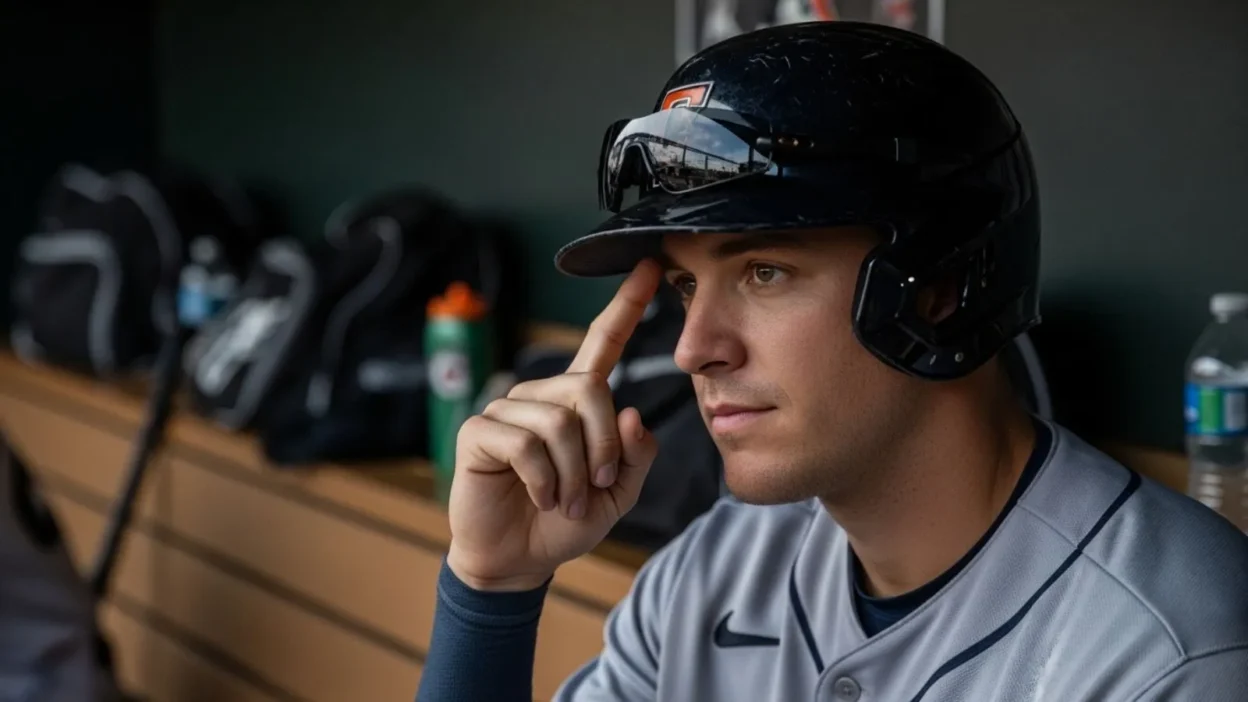
Have you ever been watching a baseball game and noticed a player lightly tapping their helmet before stepping up to bat? It might seem like a small, casual gesture, but in baseball, every movement has meaning.
The tapping helmet meaning in baseball goes beyond style it’s a mix of tradition, respect, and mental preparation. Players tap their helmets to signal focus, acknowledge teammates or coaches, or even as a personal ritual to boost confidence at the plate.
For fans, understanding these subtle gestures adds a whole new layer to watching the game, turning ordinary plays into moments of strategy and culture.
if you’re a casual viewer or a die hard fan, recognizing why players perform this simple action can enhance your appreciation of baseball’s rich traditions. In this article, we’ll explore the origins, meanings, and significance of helmet tapping in baseball.
What is Tapping the Helmet in Baseball?
In baseball, a player tapping their helmet is a small yet significant gesture that often goes unnoticed by casual viewers. Simply put, helmet tapping involves lightly striking the top or side of the batting helmet, usually with a hand or bat, before or during a game. While the movement may seem minimal, it carries layered meanings depending on the context.
Primarily, tapping the helmet is a way for players to signal mental readiness. Before stepping into the batter’s box, a tap can serve as a personal cue that the player is focused and prepared to face the pitcher. It’s a subtle method of psyching themselves up, helping maintain concentration during high-pressure moments.
Beyond mental preparation, the helmet tap can also act as a sign of respect or acknowledgment. For instance, players may tap their helmet in response to guidance from a coach or encouragement from teammates. In some cases, it’s a ritualistic gesture tied to superstition or personal habits—players often develop these small routines to feel in control and confident during games.
Fans who notice this action gain a deeper appreciation of the game, understanding that baseball is not just about the physical play but also about strategy, psychology, and culture. Recognizing a helmet tap allows viewers to read subtle cues that reflect a player’s mindset, making every at-bat more engaging.
Historical Origins of Helmet Tapping
The gesture of tapping the helmet in baseball may seem modern, but it has deeper roots in the sport’s long history. While it’s difficult to pinpoint the exact moment the helmet tap emerged, baseball players have always relied on small rituals and gestures to communicate focus, respect, and confidence. Early in the 20th century, before protective helmets became mandatory, players often used subtle movements, like tipping their caps, to acknowledge teammates or signal readiness.
As batting helmets became standard in the 1940s and 1950s, players started using the helmet itself for these gestures. A light tap on the helmet became a practical and symbolic act, combining tradition with modern equipment. Over the decades, it evolved into a widely recognized ritual, especially in Major League Baseball. Iconic players began performing it consistently, and it slowly became part of baseball’s visual language.
The helmet tap also carries cultural significance. In baseball, gestures often symbolize respect—whether for teammates, coaches, or the game itself. This tradition resonates with baseball’s broader emphasis on sportsmanship, teamwork, and subtle communication. Over time, the gesture has been adopted across leagues worldwide, from minor leagues to international competitions, showing its universal appeal.
Today, fans and commentators alike recognize the helmet tap as more than a simple movement—it’s a blend of history, psychology, and ritual. Understanding its origins helps fans appreciate the rich traditions that make baseball more than just a game.
Common Meanings of Tapping Helmet
The simple act of tapping a helmet in baseball can carry multiple meanings, depending on the context and the player’s intent. One of the most common interpretations is signaling focus and readiness. Before stepping into the batter’s box, players often tap their helmets as a mental cue that they are prepared to face the pitcher. This gesture can help calm nerves, boost confidence, and reinforce concentration—especially during high-pressure situations like a bases-loaded scenario or late innings.
Another widely recognized meaning is acknowledgment or respect. Players may tap their helmet to show appreciation for a teammate’s encouragement, a coach’s advice, or even to salute the crowd after a significant play. In this way, the gesture serves as a subtle form of communication, maintaining team cohesion without interrupting the flow of the game.
For many players, helmet tapping also functions as a personal ritual or superstition. Baseball is a sport deeply rooted in routine and consistency, and players often develop unique habits to maintain a sense of control and confidence at the plate. Tapping the helmet can become part of these personal rituals, helping the player feel “in the zone” and ready to perform at their best.
Fans who understand these meanings gain a deeper appreciation for the game, realizing that baseball is not just about hits, runs, and home runs. Every small gesture, like a helmet tap, carries significance—revealing a player’s mindset, respect, and connection to the traditions of the sport.
Tapping Helmet vs. Other Baseball Gestures
Baseball is full of gestures and rituals, each carrying its own meaning, and tapping the helmet is just one of many. Understanding how it differs from other common baseball gestures can help fans read the game more deeply.
For instance, a fist pump is typically an expression of excitement or celebration, often after a big hit, home run, or scoring play. Unlike a helmet tap, which is subtle and mostly about focus or acknowledgment, the fist pump is outward-facing and meant to display emotion. Similarly, tipping the cap is a traditional gesture of respect, usually directed toward fans, opposing players, or coaches. While helmet tapping may sometimes reflect respect, it is more personal and often performed in the batter’s box rather than in a broader, public context.
Other gestures, like clapping hands or adjusting wristbands, also communicate confidence or readiness but are less symbolic than the helmet tap. The helmet tap is unique because it blends mental preparation, superstition, and subtle communication into one small movement. It is often done quietly, almost unnoticed, yet it can convey a lot about a player’s mindset.
Recognizing these differences allows fans to interpret the game more accurately. While gestures like fist pumps and cap tips are meant for external display, the helmet tap is more internal—a glimpse into a player’s mental state, focus, and respect for tradition. Observing these subtle actions adds depth to the fan experience and highlights baseball’s rich culture of nonverbal communication.
Situations Where Fans Are Most Likely to See It
Helmet tapping in baseball is subtle, but attentive fans can spot it in several common game situations. One of the most frequent moments is just before a player steps into the batter’s box. At this point, the batter is mentally preparing to face the pitcher, and a tap on the helmet can serve as a personal cue for focus and confidence. It’s a quiet signal to themselves and, sometimes, to teammates that they are ready.
Another common situation is after a successful hit or a home run. While players often celebrate with bigger gestures like fist pumps or high-fives, some may tap their helmet as a more controlled way of acknowledging their performance or thanking teammates and coaches for support. In this context, the tap can symbolize both pride and humility.
Helmet taps are also often seen during high-pressure or tense moments, such as late innings in a close game or when the bases are loaded. These situations demand concentration and mental preparation, and the gesture can help players calm nerves while signaling determination.
Commentators often highlight these moments, explaining to fans the significance of helmet taps. For those watching closely, recognizing when and why a player taps their helmet adds a richer understanding of the game. It shows that baseball is not just about physical performance, but also about mental strategy, rituals, and the small gestures that convey focus, respect, and confidence.
Player Perspectives
Baseball players often view helmet tapping as more than just a gesture—it’s a personal ritual with practical and psychological significance. Many players describe it as a simple way to signal readiness and focus before stepping into the batter’s box. For some, the tap is a mental cue that helps them concentrate on the upcoming pitch, allowing them to block out distractions and maintain a confident mindset.
Veteran players also emphasize the role of helmet tapping in team communication. While subtle, the gesture can acknowledge advice or encouragement from coaches and fellow teammates. Some players tap their helmet in response to signals or reminders from coaches, signaling understanding without needing verbal communication. It’s a quiet, efficient way to maintain cohesion and respect within the team.
Personal superstitions also play a significant role. Many professional athletes have unique routines, and helmet tapping is often integrated into these habits. Some players tap once, twice, or in a specific pattern—actions that become part of their pre-batting ritual and help them feel mentally prepared.
Notably, iconic MLB players like Derek Jeter and Mike Trout have occasionally been observed performing helmet taps consistently, highlighting how even elite athletes rely on small gestures to maintain focus and confidence. These perspectives underline that helmet tapping is not arbitrary; it is purposeful, rooted in mental preparation, respect, and performance strategy.
For fans, understanding player perspectives transforms a seemingly minor action into a meaningful insight, revealing the thoughtfulness, rituals, and culture behind every at-bat.
Famous Moments Involving Helmet Taps
While helmet tapping is often subtle, certain moments in baseball history have highlighted its significance, making it memorable for fans and commentators alike. One such instance occurred during a playoff game when a star player tapped his helmet after a crucial base hit, signaling both focus and acknowledgment of his teammates’ support. Commentators quickly pointed out the gesture, explaining its meaning to viewers and emphasizing how even small actions carry weight in high-pressure situations.
Another notable moment involved a young rookie during their first Major League at-bat. The player tapped their helmet in a nervous yet determined ritual before facing a top pitcher. That gesture, captured by cameras and replayed across sports media, became symbolic of preparation, mental fortitude, and respect for the game. Fans celebrated not just the hit but also the ritual itself, showing how helmet taps can resonate beyond the field.
Helmet taps have also been observed during historic home runs or milestone achievements, serving as a quiet acknowledgment of personal accomplishment without overshadowing the team’s collective effort. Players like Mike Trout and Bryce Harper have incorporated helmet taps into their routines, making the gesture recognizable and even iconic among fans.
These moments remind us that baseball is not only about runs and scores but also about the small, meaningful gestures that convey focus, respect, and connection. Recognizing these helmet taps allows fans to appreciate the mental and cultural layers behind every at-bat, turning ordinary plays into memorable baseball moments.
How Fans Can Interpret Helmet Taps
For baseball fans, recognizing and understanding helmet taps adds a new layer of enjoyment to the game. While the gesture is subtle, paying attention to it can reveal a lot about a player’s mindset, preparation, and respect for the sport.
First, fans should consider the context. A helmet tap before stepping into the batter’s box often signals focus and mental preparation. Observing when a player taps can indicate that they are concentrating on the pitcher, visualizing their swing, or calming nerves before a crucial pitch. In contrast, a tap after a hit or during a celebratory moment may reflect acknowledgment of teammates, coaches, or even fans.
Next, fans can look at patterns or personal rituals. Many players have specific ways they tap their helmet—once, twice, or in a sequence—which can indicate personal superstitions or habits. Over time, familiar fans may even recognize a player’s “signature tap,” providing insight into their pre-batting routine and personality.
It’s also helpful to consider team dynamics. A helmet tap can serve as a subtle signal to teammates, acknowledging encouragement, coaching advice, or a strategic plan. Understanding this helps fans see the game not just as individual performance but as a coordinated effort where communication goes beyond words.
By paying attention to these small gestures, fans can deepen their appreciation of baseball. Recognizing helmet taps reveals the thoughtfulness, discipline, and traditions behind every at-bat, turning ordinary plays into meaningful insights.
Fun Facts and Trivia About Helmet Rituals
Baseball is a sport rich in traditions, and helmet tapping is one of the subtle yet fascinating rituals fans may not notice immediately. While often understated, these gestures carry interesting stories, quirks, and cultural significance.
One fun fact is that some players have superstitions tied to the number of taps. For example, a player may tap their helmet twice before every at-bat because they believe it brings good luck or ensures consistent focus. Others might tap only once, treating it as a calming routine that signals readiness.
Another interesting aspect is the variation between leagues and regions. While helmet tapping is common in Major League Baseball, similar gestures are also seen in minor leagues and international games, sometimes with slight differences in style or meaning. This highlights how small rituals can transcend leagues, becoming part of baseball culture worldwide.
Fans may also be surprised to learn that helmet taps are occasionally used in celebration after major achievements, like milestone hits or walk-off home runs. While less flashy than fist pumps or high-fives, these taps convey respect, humility, and acknowledgment of teammates’ contributions.
Finally, helmet tapping has even inspired social media moments, where fans notice unique or quirky rituals and share them as part of player highlights. These moments celebrate the personal side of the sport, emphasizing that baseball is as much about mental preparation, routines, and small gestures as it is about statistics and scores.
FAQs
1. What does tapping a helmet mean in baseball?
Tapping a helmet is a subtle gesture players use to signal focus, readiness, or acknowledgment. It can also be part of a personal ritual or superstition that helps the player mentally prepare for the at-bat.
2. Is helmet tapping a sign of respect?
Yes. Players sometimes tap their helmet to acknowledge teammates, coaches, or fans. It’s a quiet way of showing respect without disrupting the flow of the game.
3. How many times do players tap their helmet?
There’s no strict rule. Some players tap once, others twice, or even follow a specific sequence. These patterns are often personal habits or superstitions.
4. Do all baseball players tap their helmets?
No. While many players use this gesture, it’s not universal. Some rely on other rituals, like adjusting wristbands or tapping their bat, to prepare mentally.
5. Can fans interpret helmet taps?
Absolutely. Observing the context—before a pitch, after a hit, or during a celebration—helps fans understand the player’s mindset, preparation, and respect for the game.
6. Are helmet taps common in other leagues?
Yes. While most associated with MLB, helmet tapping appears in minor leagues and international baseball, often reflecting similar meanings like focus, respect, and superstition.
Conclusion
The gesture of tapping a helmet in baseball may seem simple, but it carries layers of meaning that go beyond the surface.
From signaling focus and mental preparation to showing respect for teammates and coaches, helmet tapping is a blend of tradition, superstition, and personal ritual.
Understanding this small action allows fans to see the deeper side of the game, appreciating the thoughtfulness and discipline behind every at-bat.
Whether it’s before stepping into the batter’s box, after a crucial hit, or during a high-pressure moment, the helmet tap reflects a player’s mindset, confidence, and connection to baseball’s rich culture.
Observing and interpreting these gestures can make watching the game more engaging and insightful.
Next time you’re at a baseball game or watching a live broadcast, pay attention to the taps what seems like a minor movement might just tell a bigger story about focus, respect, and the subtle traditions that make baseball unique.

Jonathan Bishopson is the punmaster-in-chief at ThinkPun.com, where wordplay meets wit and every phrase gets a clever twist. Known for turning ordinary language into laugh-out-loud lines, Jonathan crafts puns that make readers groan, grin, and think twice. When he’s not busy bending words, he’s probably plotting his next “pun-derful” masterpiece or proving that humor really is the best re-word.