
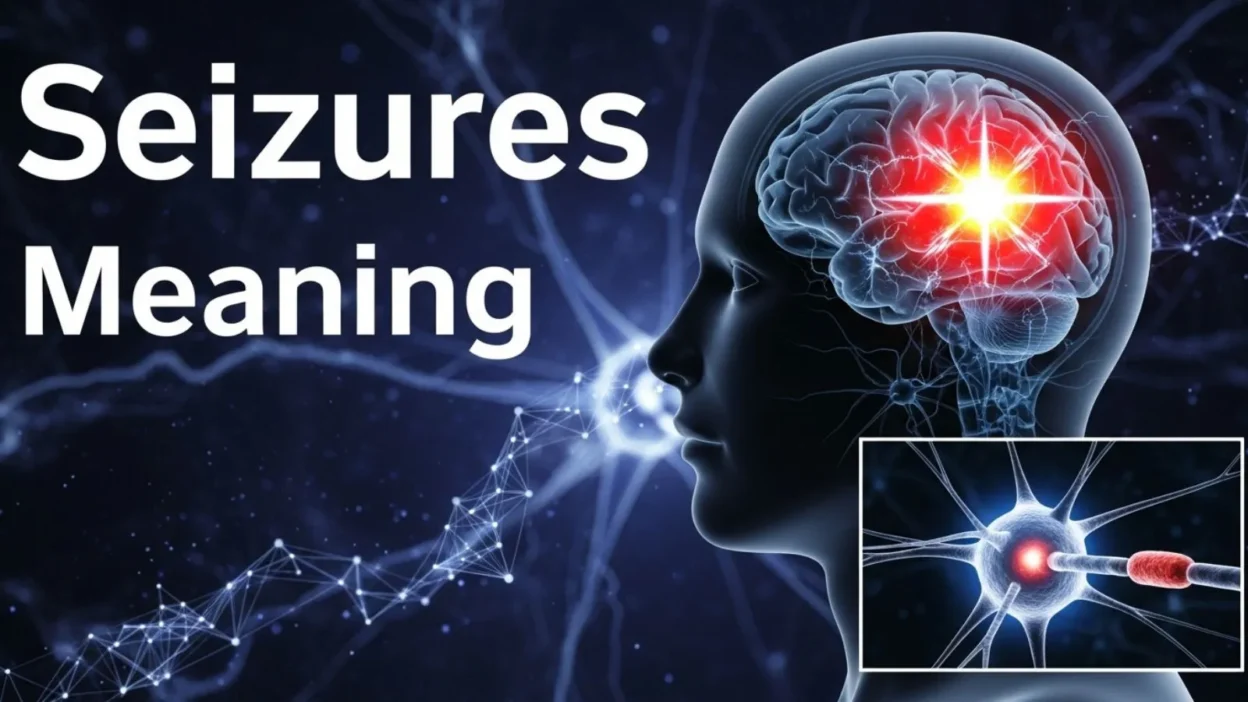
When people search for seizures meaning, they’re often looking for a clear, simple explanation of what a seizure actually is and why it happens.
The term can sound frightening, especially if you’ve witnessed someone suddenly collapse, shake, or lose awareness.
In simple words, a seizure is a sudden surge of abnormal electrical activity in the brain that temporarily affects how a person moves, feels, thinks, or behaves.
Understanding the seizure meaning is important because not all seizures look the same. Some involve noticeable shaking, while others may only cause brief staring spells or confusion.
Many people also confuse seizures with epilepsy, but they are not always the same thing. In this guide, we’ll explain what a seizure is, its causes, symptoms, types, and when medical help is needed all in easy, reassuring language.
What Is the Meaning of Seizures? (Simple Definition)
To fully understand seizures meaning, it helps to first understand how the brain normally works. Your brain communicates through tiny electrical signals that travel between nerve cells. These signals control everything you do — from moving your hands and speaking to thinking and feeling emotions.
A seizure happens when there is a sudden burst of abnormal electrical activity in the brain. This disruption temporarily interferes with normal brain communication. As a result, a person may experience unusual movements, changes in behavior, strange sensations, or even loss of awareness. The exact symptoms depend on which part of the brain is affected and how intense the electrical disturbance is.
The medical seizure definition describes it as a transient occurrence of signs or symptoms due to abnormal excessive or synchronous brain activity. In simpler terms, it’s a brief “electrical storm” in the brain.
Not all seizures involve dramatic shaking. Some may last only a few seconds and cause subtle symptoms like staring into space, lip-smacking, confusion, or sudden emotional changes. Others may involve stiffening of the body, rhythmic jerking movements, or temporary unconsciousness.
It’s also important to know that having a single seizure does not automatically mean someone has epilepsy. Seizures can occur due to various reasons, including fever, low blood sugar, head injury, infections, or severe stress. Understanding what a seizure truly means helps reduce fear and promotes informed action.
How the Brain Works During a Seizure
To better understand seizures meaning, it’s helpful to look deeper at what happens inside the brain during an episode. The brain is made up of billions of nerve cells called neurons. These neurons communicate with each other through tiny electrical impulses and chemical signals. This constant communication controls movement, memory, emotions, breathing, and every other body function.
Under normal conditions, this electrical activity follows a balanced and organized pattern. There is a careful system of signals that excite brain cells and others that calm them down. When this balance is disturbed, and too many neurons fire at the same time in an uncontrolled way, a seizure can occur.
During a seizure, this sudden surge of electrical activity disrupts the brain’s normal messaging system. Think of it like a power surge in an electrical circuit. Depending on where the abnormal activity starts, the symptoms will vary. If it begins in the part of the brain that controls movement, the person may experience jerking or stiffening. If it affects areas responsible for awareness, the person may appear confused or unresponsive.
Some seizures remain limited to one area of the brain, while others spread to both sides. This explains why seizure symptoms can range from mild staring spells to full-body convulsions. The episode usually lasts from a few seconds to a few minutes, after which brain activity gradually returns to normal, though temporary confusion or tiredness may follow.
Types of Seizures Explained
When learning about seizures meaning, it’s important to understand that seizures are not all the same. Doctors classify seizures based on where they begin in the brain and how they affect the body. The two main categories are focal seizures and generalized seizures.
Focal seizures, sometimes called partial seizures, start in one specific area of the brain. In focal aware seizures, the person remains conscious but may experience unusual sensations, sudden emotions, tingling, or involuntary movements. In focal impaired awareness seizures, the person may seem confused, stare blankly, or perform repetitive movements like lip-smacking or hand rubbing.
Generalized seizures affect both sides of the brain from the beginning. One of the most well-known types is the tonic-clonic seizure, which involves body stiffening followed by rhythmic jerking movements and possible loss of consciousness. Absence seizures are much milder and often appear as brief staring spells, especially in children. Myoclonic seizures cause sudden muscle jerks, while atonic seizures lead to a sudden loss of muscle tone, sometimes causing a person to fall.
There are also unknown onset seizures, where doctors cannot clearly determine how or where the seizure started. Understanding these different types helps explain why seizure symptoms can vary so widely from person to person.
Common Symptoms of Seizures
Understanding the symptoms is an important part of learning seizures meaning, because not every seizure looks dramatic or obvious. Symptoms can vary widely depending on which part of the brain is affected and how intense the abnormal electrical activity is.
One of the most recognized symptoms is uncontrolled jerking or shaking of the arms and legs, often seen in tonic-clonic seizures. However, many seizures are much more subtle. Some people may suddenly stare blankly into space for a few seconds and not respond when spoken to. Others may experience muscle stiffness, sudden falls, or brief body twitches.
Seizures can also cause unusual sensations. A person might report tingling feelings, dizziness, flashing lights in their vision, strange smells, or a sudden wave of fear or déjà vu. In some cases, there may be confusion, difficulty speaking, or temporary memory loss after the episode ends.
Loss of consciousness can occur, but not always. Some individuals remain fully aware but unable to control their movements. After a seizure, it is common to feel tired, disoriented, or have a headache. This recovery period is sometimes called the post-seizure phase.
Causes of Seizures
Understanding seizures meaning also involves knowing what can trigger them. Seizures occur when the brain’s normal electrical activity is disrupted, but the reasons behind this disruption can vary widely. Some causes are temporary and treatable, while others may indicate an ongoing condition like epilepsy.
One of the most common causes in children is a high fever, known as a febrile seizure. In adults, head injuries, strokes, or brain infections such as meningitis or encephalitis can provoke seizures. Neurological conditions like epilepsy make a person more prone to repeated seizures due to persistent abnormal brain activity.
Metabolic or chemical imbalances can also trigger seizures. Low blood sugar, electrolyte disturbances, or severe dehydration are examples of temporary causes. Alcohol or drug withdrawal, particularly from substances like alcohol or benzodiazepines, can also lead to seizures.
Genetics play a role as well. Some people inherit conditions that make their neurons more excitable, increasing the likelihood of seizures. Brain tumors or structural abnormalities can interfere with normal electrical signaling, resulting in seizure episodes.
Other common triggers include sleep deprivation, extreme stress, flashing lights, and certain medications. In some cases, a seizure may occur with no identifiable cause, known as an idiopathic seizure.
Knowing the underlying cause is crucial for treatment and prevention. While a single seizure may not indicate a chronic problem, repeated seizures should always prompt a thorough medical evaluation. By understanding the various causes, individuals can take steps to reduce their risk and manage the condition effectively.
Seizures vs Epilepsy What’s the Difference?
Many people searching for seizures meaning confuse seizures with epilepsy, but they are not the same. A seizure is a single event — a temporary surge of abnormal electrical activity in the brain that causes unusual movements, sensations, or behavior. Epilepsy, on the other hand, is a chronic neurological condition characterized by recurrent, unprovoked seizures.
One key difference is frequency. Having a single seizure does not necessarily mean someone has epilepsy. Many factors, such as a high fever, head injury, or low blood sugar, can trigger a one-time seizure. Epilepsy is usually diagnosed when a person experiences two or more seizures that are not caused by an immediate identifiable factor.
Seizures can also vary in type and severity. Some people may have mild seizures that only involve staring spells, while others experience tonic-clonic seizures that affect the whole body. Epilepsy can involve any type of seizure, depending on which part of the brain is affected.
Another distinction is treatment. A single seizure may not require long-term medication, but epilepsy often requires ongoing management with anti-seizure medications, lifestyle adjustments, and sometimes surgery.
Understanding the difference between seizures and epilepsy is essential for proper diagnosis and treatment. Misunderstanding this distinction can cause unnecessary anxiety or delay medical care. By recognizing that a seizure is a symptom — while epilepsy is a medical condition — people can better understand what action to take and when to consult a healthcare professional.
What Triggers a Seizure?
Even after understanding seizures meaning, many people wonder why they happen suddenly. A seizure can be triggered by a wide range of factors, often referred to as seizure triggers. These triggers don’t always cause a seizure on their own but can increase the likelihood in someone who is prone to them.
One of the most common triggers is sleep deprivation. Lack of proper sleep can make the brain more excitable and increase the risk of abnormal electrical activity. Stress and anxiety are also frequent triggers, as emotional strain can affect the nervous system and lower the seizure threshold.
Certain sensory stimuli can provoke seizures in some people. For example, flashing lights, rapidly changing patterns, or intense visual stimulation can trigger seizures in individuals with photosensitive epilepsy. Alcohol and drug use or withdrawal is another known trigger. Sudden cessation of alcohol or some medications can lead to seizures, particularly in people with a history of dependence.
Medical conditions like fever, infections, or metabolic imbalances (low blood sugar, dehydration, or electrolyte disturbances) can also cause a seizure. Hormonal changes, particularly during menstruation, may trigger seizures in some women, known as catamenial seizures.
Finally, skipping prescribed anti-seizure medications or failing to follow treatment plans can lead to breakthrough seizures. Understanding these triggers helps individuals manage risk and reduce the likelihood of an episode. By identifying personal triggers and avoiding or managing them, people can maintain better control over their health and prevent unexpected seizure events.
What To Do If Someone Is Having a Seizure (First Aid Guide)
Knowing what to do during a seizure is essential for safety, and understanding seizures meaning helps remove fear and confusion in these moments. If you witness someone having a seizure, the first step is to stay calm. Panicking can make the situation more stressful for both you and the person experiencing the seizure.
Next, ensure the person is safe from injury. Move any sharp or hard objects away, and gently guide them to the floor if they are standing. Do not try to hold them down or restrain their movements, as this can cause harm. Contrary to popular myth, never put anything in the person’s mouth — they will not swallow their tongue, and forcing an object could injure them.
If the person is lying down, gently turn them onto their side. This helps keep the airway clear and prevents choking, especially if vomiting occurs. Time the seizure carefully. Most seizures last between a few seconds to a few minutes. If a seizure lasts longer than five minutes, or if multiple seizures occur back-to-back, it is considered a medical emergency, and you should call emergency services immediately.
During the episode, observe the person’s symptoms and movements, as this information can help doctors diagnose the type of seizure. Once the seizure ends, stay with the person until they are fully alert. Offer reassurance, as post-seizure confusion, fatigue, or disorientation is common.
How Seizures Are Diagnosed
After understanding seizures meaning, the next step is knowing how doctors identify and confirm them. Accurate diagnosis is essential for proper treatment and management. Since seizures can have many causes, doctors use a combination of medical history, observation, and tests to determine the underlying problem.
The first step is usually a detailed medical history. Doctors ask about the seizure’s onset, duration, movements, sensations, and any triggers. They also inquire about past medical conditions, family history, medications, and lifestyle factors. Witness accounts from family or friends are often crucial, as the person experiencing the seizure may not remember the event.
Next, an EEG (electroencephalogram) is often performed. This test records the brain’s electrical activity and can detect abnormal patterns that suggest a seizure disorder. EEG results can help identify the type of seizure and the area of the brain involved.
Imaging studies, such as MRI or CT scans, are used to examine brain structure. These tests can reveal tumors, lesions, scarring, or other abnormalities that may be causing seizures. Blood tests may also be conducted to check for infections, electrolyte imbalances, or metabolic issues.
In some cases, video EEG monitoring is used in hospitals to observe seizures as they occur, providing detailed information for diagnosis and treatment planning.
Treatment Options for Seizures
Once a clear seizures meaning and diagnosis are established, the next step is treatment. The goal of seizure treatment is to control or reduce the frequency of episodes, address underlying causes, and help the person maintain a normal quality of life.
The most common treatment is anti-seizure medication, also called anticonvulsants. These drugs work by stabilizing electrical activity in the brain, making it less likely for abnormal bursts to occur. The type of medication prescribed depends on the seizure type, age, and overall health of the patient. It’s important to take medications exactly as prescribed, as missing doses can trigger breakthrough seizures.
In some cases, when medications are not effective, surgery may be considered. Surgery usually involves removing the small area of the brain where seizures originate. Candidates for surgery are carefully evaluated using imaging tests and EEG monitoring to ensure safety and effectiveness.
Other options include vagus nerve stimulation, a procedure in which a device is implanted to send electrical signals to the brain to reduce seizure activity, and responsive neurostimulation, which detects and interrupts abnormal brain activity before a seizure occurs.
Lifestyle changes are also important. Maintaining a regular sleep schedule, managing stress, avoiding alcohol or drugs, and following a healthy diet can reduce seizure frequency. In some children with specific seizure types, a ketogenic diet — high in fat and low in carbohydrates — may help control seizures.
Effective treatment often involves a combination of medication, lifestyle adjustments, and ongoing medical supervision. With proper management, many people with seizures can lead active, fulfilling lives while minimizing the impact of episodes.
Can Seizures Be Prevented?
Understanding seizures meaning isn’t just about knowing what they are — it’s also about learning how to reduce the risk of experiencing them. While not all seizures can be prevented, especially those caused by chronic conditions like epilepsy, there are strategies that help lower the likelihood of an episode.
One of the most important preventive measures is medication adherence. For individuals diagnosed with epilepsy or a seizure disorder, taking anti-seizure medication consistently and as prescribed is crucial. Missing doses can trigger seizures, even if the person feels fine.
Avoiding known triggers is another key strategy. This can include managing stress, maintaining adequate sleep, avoiding alcohol or recreational drugs, and minimizing exposure to flashing lights or extreme visual stimuli for those with photosensitive epilepsy. Keeping a seizure diary can help identify personal triggers, making it easier to manage daily routines.
Lifestyle habits play a significant role as well. Regular sleep is critical because fatigue can increase brain excitability. Eating balanced meals and staying hydrated also help prevent metabolic imbalances that could provoke seizures. For some individuals, stress management techniques like mindfulness, meditation, or light exercise may reduce seizure frequency.
For children prone to febrile seizures, promptly treating high fevers and monitoring their health during illness can lower risk. Additionally, people at risk from head injuries should take safety precautions, such as wearing helmets during sports.
While not all seizures are preventable, combining medical treatment with healthy habits and trigger awareness significantly improves control. Prevention strategies empower individuals to lead safer, more confident lives while minimizing unexpected seizure episodes.
Seizures in Children vs Adults
When exploring seizures meaning, it’s important to recognize that seizures can present differently in children compared to adults. While the underlying cause — abnormal electrical activity in the brain — remains the same, age plays a significant role in symptoms, triggers, and management.
In children, one of the most common types is febrile seizures, which are usually triggered by a rapid rise in body temperature due to infections like flu or ear infections. These seizures often appear as brief jerking or stiffening movements and typically last only a few minutes. Most febrile seizures are harmless and do not indicate epilepsy, but they can be frightening for parents and caregivers.
Other seizures in children may involve brief staring spells, unusual eye movements, or repetitive behaviors. Because children may not always be able to describe what they feel, careful observation from parents, teachers, or caregivers is essential for accurate diagnosis.
In adults, seizures are more often linked to neurological conditions such as epilepsy, head injuries, strokes, or metabolic imbalances. Adults may experience more complex symptoms, including prolonged confusion, muscle jerks, or loss of consciousness. Unlike children, adults experiencing a first-time seizure are more likely to undergo detailed medical evaluation to identify underlying causes.
Treatment approaches also differ slightly. In children, medications may be used cautiously to avoid affecting growth and development, and many childhood seizures resolve as the child matures. Adults may require long-term medication or lifestyle adjustments to prevent recurrence.
When Should You See a Doctor?
Knowing seizures meaning also involves understanding when medical attention is necessary. While some seizures can be isolated incidents, others may signal a serious underlying condition that requires immediate evaluation.
Anyone experiencing a first-time seizure should seek medical advice, even if the episode was brief or seemed minor. A thorough evaluation helps determine whether the seizure was provoked by a temporary factor, such as a fever or low blood sugar, or whether it indicates a chronic condition like epilepsy.
Seizures that last longer than five minutes are considered a medical emergency. This type of prolonged seizure, known as status epilepticus, can cause brain damage or other complications if not treated promptly. Immediate medical intervention is essential.
Other situations that require urgent care include seizures that occur back-to-back without recovery in between, seizures accompanied by difficulty breathing, severe injury, or unconsciousness, or seizures following a head injury. These symptoms may indicate a life-threatening problem and should not be ignored.
Even if a seizure resolves on its own, repeated episodes, unusual patterns, or changes in frequency should prompt a doctor’s visit. Early diagnosis allows doctors to recommend the appropriate tests, treatments, and lifestyle changes to manage seizures effectively.
For children, adults with chronic conditions, or anyone with a family history of neurological disorders, regular check-ups can help detect warning signs before a seizure occurs. Understanding when to seek medical attention empowers individuals and caregivers to respond safely and ensures timely treatment, reducing risks and improving quality of life.
Common Myths About Seizures
Even after understanding seizures meaning, many people still hold misconceptions about what seizures look like and how to respond to them. These myths can create unnecessary fear or lead to unsafe reactions during a seizure.
One of the most common myths is that all seizures involve dramatic shaking. While tonic-clonic seizures do involve noticeable convulsions, many seizures are subtle. Some may only involve brief staring spells, lip-smacking, or slight twitching. Misunderstanding this can cause people to overlook a seizure or underestimate its seriousness.
Another widespread myth is that you should hold someone down during a seizure. Attempting to restrain the person can result in injury to both the individual and the bystander. The safest approach is to move objects out of the way and allow the seizure to run its course.
The myth that people can swallow their tongue is also false. While the tongue may move or block the airway if the person is lying on their back, it cannot be swallowed. Putting objects in the mouth is dangerous and can cause choking or broken teeth.
Some believe seizures are contagious, but this is not true. Seizures are a neurological event, not an infection, and cannot be “caught” by being near someone having one.
Understanding these myths helps people respond appropriately during a seizure, reducing harm and promoting safety. Education also reduces stigma, making it easier for individuals with seizures to live confidently and for communities to support them effectively.
Living With Seizures
Understanding seizures meaning is only part of the journey; living with seizures requires practical strategies and emotional support to maintain a safe and fulfilling life. For many people, seizures are a manageable condition with the right combination of treatment, lifestyle adjustments, and awareness.
Daily life adjustments are often necessary. Medication adherence is essential, as missing doses can trigger seizures. Keeping a consistent sleep schedule and managing stress through relaxation techniques, exercise, or mindfulness can also help reduce the frequency of episodes. For some, avoiding alcohol, recreational drugs, or other known triggers is a key preventive measure.
Safety is another important consideration. Individuals prone to seizures should take precautions such as wearing helmets during sports, avoiding risky activities alone, and informing friends, family, or coworkers about how to respond if a seizure occurs. A personal seizure action plan can provide guidance for emergencies, including when to call for help.
Seizures can affect work, school, and social life. Open communication with teachers, employers, or colleagues can create a supportive environment and reduce anxiety. Emotional support is equally important, as living with seizures may cause stress, frustration, or embarrassment. Support groups or counseling can help individuals and families cope effectively.
With proper management, most people with seizures lead active, independent lives. Education, preparation, and a strong support network empower individuals to live confidently while minimizing the impact of seizures. Understanding triggers, adhering to treatment, and maintaining safety measures are key steps in living well with this condition.
Frequently Asked Questions (FAQ) About Seizures
What does a seizure feel like?
Symptoms vary depending on the type. Some people experience sudden jerking movements, muscle stiffness, or loss of consciousness. Others may have subtle sensations like staring spells, tingling, or brief confusion.
Are seizures dangerous?
Most seizures are not life-threatening, especially brief ones. However, prolonged seizures, repeated episodes, or seizures that occur during risky activities can pose serious dangers, including injury or complications.
Can stress cause seizures?
Yes. Stress can lower the brain’s threshold for abnormal electrical activity, making seizures more likely in susceptible individuals. Stress management techniques can help reduce this risk.
How long do seizures last?
Most seizures last between a few seconds and a few minutes. Seizures lasting longer than five minutes require immediate medical attention.
Can seizures happen during sleep?
Yes. Some people experience seizures during sleep, which may cause unusual movements, breathing changes, or partial awakening. Sleep-related seizures can sometimes go unnoticed without monitoring.
Is a seizure the same as epilepsy?
No. A seizure is a single event, while epilepsy is a chronic condition characterized by recurrent seizures.
Should I call emergency services during a seizure?
Seek help if it lasts more than five minutes, occurs back-to-back, or is accompanied by injury, breathing difficulties, or unusual symptoms.
Conclusion
Understanding seizures meaning is essential for both those experiencing them and the people around them.
A seizure is a temporary disruption of the brain’s electrical activity, leading to changes in movement, awareness, or sensations.
While seizures can be frightening, they are not always life threatening, and many are manageable with proper treatment and lifestyle adjustments.
Recognizing the types, symptoms, triggers, and causes of seizures helps reduce fear and enables timely medical care.
First aid knowledge, regular check-ups, and medication adherence are crucial for safety and prevention. Separating fact from myth ensures appropriate responses during an episode and supports individuals living with seizures.
By understanding seizures, identifying triggers, and following medical advice, people can lead fulfilling lives while minimizing the impact of seizures. Education, preparation, and support are key to managing this condition confidently and safely.

Jonathan Bishopson is the punmaster-in-chief at ThinkPun.com, where wordplay meets wit and every phrase gets a clever twist. Known for turning ordinary language into laugh-out-loud lines, Jonathan crafts puns that make readers groan, grin, and think twice. When he’s not busy bending words, he’s probably plotting his next “pun-derful” masterpiece or proving that humor really is the best re-word.