
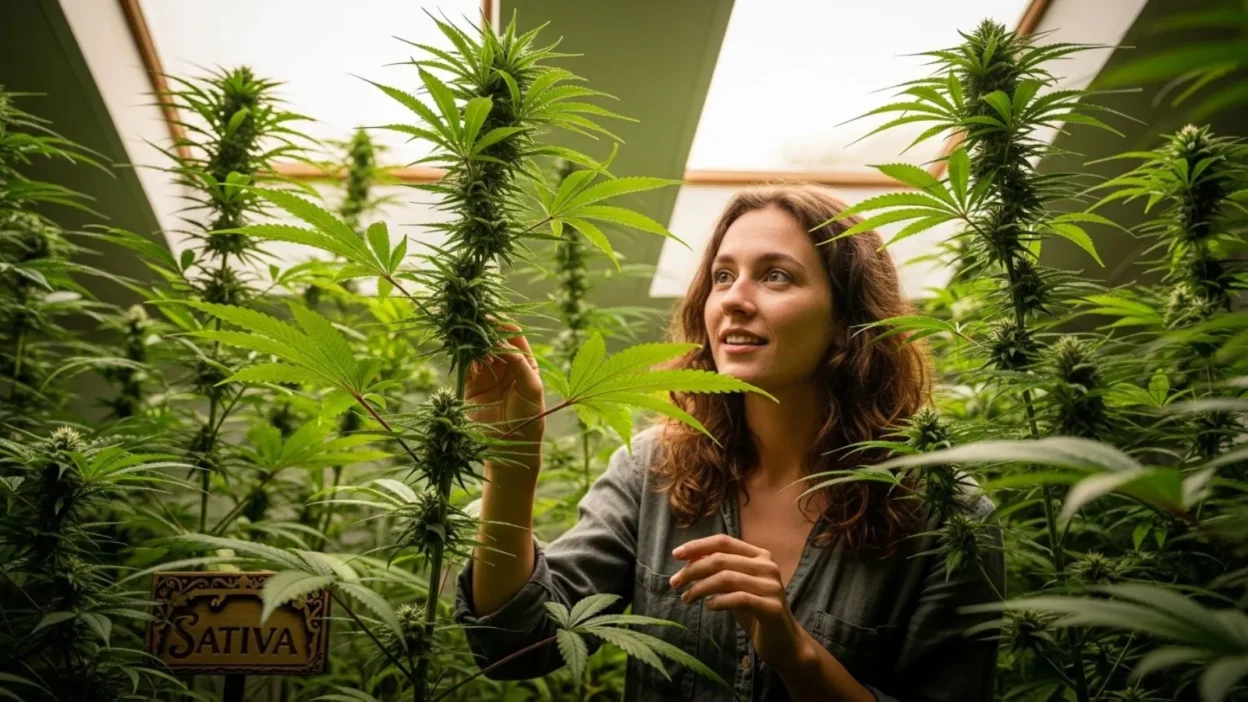
Have you ever heard the term Sativa and wondered what it really means? Maybe you’ve seen it in dispensaries, online forums, or even in casual conversations among cannabis enthusiasts, and it left you a bit confused. Well, you’re not alone.
Understanding the Sativa meaning is essential whether you’re a curious beginner, a medical cannabis user, or someone exploring different strains for recreational purposes.
In simple terms, Sativa is a type of cannabis plant known for its tall, thin leaves and uplifting, energetic effects.
But there’s more to it than just its appearance Sativa has a rich history, unique chemical makeup, and a variety of strains that each provide distinct experiences.
In this guide, we’ll break down everything about Sativa: its origins, effects, benefits, popular strains, and how it differs from Indica and Hybrid. By the end, you’ll truly understand what Sativa is all about.
What Does Sativa Mean?
When people search for the Sativa meaning, they’re usually trying to understand what makes this type of cannabis unique. In simple terms, Sativa refers to a specific category of the cannabis plant known scientifically as Cannabis sativa. It is one of the main types of cannabis, alongside Indica and Hybrid varieties, and is often associated with uplifting and energizing effects.
The word “Sativa” actually comes from Latin, meaning “cultivated” or “grown.” Historically, it was used to describe plants that were cultivated by humans for various purposes, including medicinal and recreational use. Over time, the term became closely linked with cannabis plants that grow tall, have narrow leaves, and thrive in warm climates.
In today’s cannabis culture, the Sativa meaning goes beyond just the plant itself. It is commonly used to describe strains that are believed to produce a more cerebral or “head-focused” high. Many users report feeling more creative, alert, and motivated after consuming Sativa strains, which is why they are often preferred for daytime use.
However, it’s important to note that modern cannabis science suggests the effects of a strain depend more on its chemical profile—such as cannabinoids and terpenes—rather than just being labeled as Sativa. Still, the term remains widely used as a helpful guide for consumers exploring different cannabis experiences.
History and Origins of Sativa
To fully understand the Sativa meaning, it’s helpful to explore where this cannabis type originally came from and how it evolved over time. Cannabis sativa is believed to have originated in warm, tropical regions of the world, including Southeast Asia, Central America, South America, and parts of Africa. These environments provided the perfect conditions for Sativa plants to grow tall and thrive under long hours of sunlight.
Historically, Sativa plants were used for a wide range of purposes. In ancient cultures, they were valued not only for recreational use but also for their medicinal and spiritual significance. People used Sativa for mood enhancement, increased energy, and even during religious or ceremonial practices. In some regions, cannabis was also used to make fibers for textiles, ropes, and other everyday materials.
As global trade expanded, Sativa seeds spread across continents. Travelers, traders, and explorers played a key role in introducing the plant to new regions, where it adapted to different climates and growing conditions. Over time, this led to the development of various Sativa strains with unique characteristics and effects.
In the modern era, Sativa has become a major part of global cannabis culture. With advancements in cultivation and hybridization, growers have refined Sativa strains to enhance their desired effects, flavors, and potency. Today, understanding the origins of Sativa helps users appreciate its unique qualities and why it remains such a popular choice worldwide.
Physical Characteristics of Sativa
Understanding the physical traits of this plant is an important part of grasping the full Sativa meaning. Sativa plants are known for their distinct appearance, which sets them apart from other types of cannabis. One of the most noticeable features is their height. These plants can grow quite tall—often reaching up to 10–12 feet when cultivated outdoors in the right conditions.
Another defining characteristic is their leaves. Sativa plants have long, thin, and narrow leaves that are usually a lighter shade of green compared to other cannabis types. This leaf structure allows better airflow and light penetration, which helps the plant thrive in warm and humid climates.
The growth cycle of Sativa is also unique. Unlike Indica plants, Sativa strains typically have a longer flowering period, sometimes taking 10 to 16 weeks to fully mature. While this requires more patience from growers, it often results in higher yields when grown properly.
Sativa plants naturally prefer environments with plenty of sunlight, consistent warmth, and moderate humidity. This is why they are commonly grown in tropical and subtropical regions. Indoor growers often need to carefully control lighting and space because of the plant’s tall structure.
Overall, these physical characteristics not only define the plant visually but also play a role in shaping its reputation. When people think about the Sativa meaning, they often associate it with these tall, slender plants that symbolize energy, growth, and vitality.
Effects and Benefits of Sativa
When exploring the Sativa meaning, one of the most important aspects to understand is how it affects the mind and body. Sativa strains are widely known for their uplifting and energizing effects, which makes them a popular choice for daytime use. Unlike heavier cannabis types that may cause relaxation or drowsiness, Sativa is often associated with a more stimulating and “head-focused” experience.
Many users report feeling increased creativity, improved focus, and a boost in overall mood after consuming Sativa. This is why it’s commonly preferred by artists, writers, and individuals who want to stay productive while enjoying cannabis. The mental clarity and alertness linked to Sativa can also make social interactions more enjoyable and engaging.
In addition to recreational benefits, Sativa is often used for potential medical purposes. Some people turn to Sativa strains to help manage symptoms of depression, fatigue, and low energy levels. Its uplifting nature may provide temporary relief from stress and promote a more positive mindset.
However, it’s important to note that the effects can vary depending on the individual and the specific strain. While many people enjoy the energetic boost, higher doses may sometimes lead to mild anxiety or restlessness, especially for beginners.
Overall, the Sativa meaning is closely tied to its energizing and mood-enhancing qualities, making it a go-to option for those seeking a more active and stimulating cannabis experience.
Popular Sativa Strains
To better understand the Sativa meaning, it’s helpful to look at some of the most popular Sativa strains available today. Each strain has its own unique flavor, aroma, and effects, but they all generally share the uplifting and energizing qualities that Sativa is known for.
One of the most well-known strains is Sour Diesel. It’s famous for its fast-acting, energizing effects and pungent, fuel-like aroma. Many users choose it for a quick boost in mood and creativity. Another popular option is Jack Herer, a classic Sativa strain that offers a balanced combination of mental clarity and gentle relaxation, making it suitable for both beginners and experienced users.
Durban Poison is another standout strain, known for being a pure Sativa. It delivers a clear-headed, focused high that’s often preferred by those who want to stay productive throughout the day. Similarly, Green Crack is favored for its intense energy boost and sharp focus, making it a go-to for daytime activities.
For those who enjoy a sweeter flavor, Strawberry Cough is a great choice. It provides uplifting effects along with a fruity taste, appealing to users who want both flavor and function.
When choosing a strain, it’s important to consider your personal tolerance, desired effects, and the time of day you plan to use it. Exploring different strains can help you fully experience what the Sativa meaning represents in real-life use.
Sativa vs Indica vs Hybrid
To fully understand the Sativa meaning, it’s important to compare it with the other main types of cannabis: Indica and Hybrid. These categories are commonly used to describe different effects, plant structures, and typical uses.
Sativa strains are generally known for their energizing and uplifting effects. They are often associated with a “head high,” which can boost creativity, focus, and social interaction. Because of this, Sativa is usually preferred for daytime use or activities that require mental clarity.
In contrast, Indica strains are typically linked to relaxation and body-focused effects. They may help users unwind, reduce stress, and even improve sleep. This is why Indica is often recommended for evening or nighttime use.
Hybrid strains, as the name suggests, are a mix of both Sativa and Indica. They are bred to combine the best qualities of each type, offering balanced effects that can lean more toward either side depending on the strain. Some hybrids are energizing, while others are more calming.
However, modern cannabis research suggests that these labels are not always fully accurate. The actual effects of a strain depend more on its chemical composition, including cannabinoids like THC and CBD, as well as its terpene profile.
Still, these categories remain useful as a general guide. Understanding the differences helps clarify the Sativa meaning and allows users to choose the type of cannabis that best fits their needs and lifestyle.
How to Use Sativa Safely
Understanding how to use it properly is just as important as knowing the Sativa meaning. Whether you’re a beginner or an experienced user, using Sativa responsibly can help you enjoy its benefits while minimizing unwanted effects.
One of the first things to consider is the method of consumption. Sativa can be used in several ways, including smoking, vaping, edibles, and oils or tinctures. Smoking and vaping عادةً (usually) produce faster effects, often within minutes, while edibles take longer—sometimes 30 minutes to 2 hours—but their effects tend to last much longer.
Dosage is another key factor. Beginners should always start with a low dose and gradually increase it as needed. This approach, often called “start low and go slow,” helps you understand how your body reacts without overwhelming yourself. Sativa is known for its energizing effects, but taking too much can sometimes lead to anxiety or restlessness.
It’s also important to choose the right time and setting. Because Sativa can boost energy and focus, it’s best suited for daytime use or social situations rather than before النوم (sleep). Staying hydrated and eating beforehand can also improve your overall experience.
Lastly, always be mindful of local laws and personal health conditions. Using Sativa responsibly ensures that you can fully appreciate what the Sativa meaning represents—a balanced, enjoyable, and informed cannabis experience.
FAQs About Sativa Meaning
1. What does Sativa mean?
The Sativa meaning refers to a type of cannabis plant known as Cannabis sativa. It is commonly associated with uplifting, energizing, and mentally stimulating effects, making it popular for daytime use.
2. How does Sativa make you feel?
Sativa strains typically produce a “head high,” which can increase creativity, focus, and mood. Many users report feeling more active and socially engaged after consumption.
3. Is Sativa better than Indica?
There is no “better” option—it depends on your needs. Sativa is often preferred for energy and productivity, while Indica is chosen for relaxation and sleep. The right choice varies from person to person.
4. Is Sativa good for beginners?
Yes, but beginners should start with a low dose. While Sativa can be uplifting, higher amounts may cause mild anxiety or restlessness in some users.
5. How long do Sativa effects last?
The duration depends on how it’s consumed. Smoking or vaping may last 2–4 hours, while edibles can last 6–8 hours or more.
6. Can Sativa help with anxiety or depression?
Some users find Sativa helpful for improving mood and reducing fatigue. However, in high doses, it may increase anxiety in certain individuals.
Conclusion
Understanding the Sativa meaning gives you a clearer picture of one of the most popular types of cannabis used around the world.
From its origins in warm, tropical regions to its tall plant structure and uplifting effects, Sativa stands out for its energizing and mood-enhancing qualities. It is often the go-to choice for people looking to boost creativity, stay productive, or enjoy a more active cannabis experience during the day.
However, it’s important to remember that not all Sativa strains are exactly the same.
Their effects can vary depending on their chemical composition, dosage, and individual tolerance. That’s why starting slow and choosing the right strain is key to having a positive experience.
By now, you should have a complete understanding of the Sativa meaning, including its benefits, uses, and differences from other cannabis types—helping you make more informed and confident choices.

Jonathan Bishopson is the punmaster-in-chief at ThinkPun.com, where wordplay meets wit and every phrase gets a clever twist. Known for turning ordinary language into laugh-out-loud lines, Jonathan crafts puns that make readers groan, grin, and think twice. When he’s not busy bending words, he’s probably plotting his next “pun-derful” masterpiece or proving that humor really is the best re-word.