
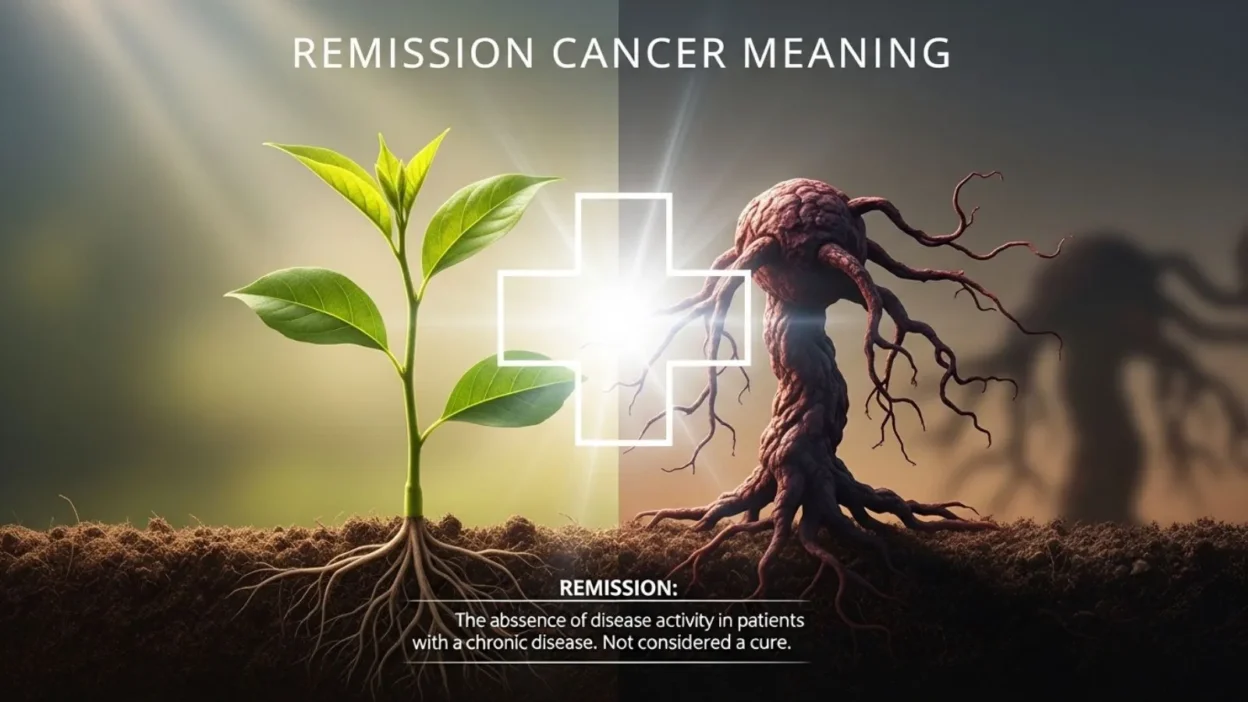
Hearing the word “remission” after a cancer diagnosis can bring a mix of relief, hope, and uncertainty. Many patients and their families wonder, “What does remission really mean?”
In simple terms, remission refers to a period during which the signs and symptoms of cancer are reduced or completely disappear.
It is an important milestone in the journey of cancer treatment, but it does not always mean the cancer is fully cured. Understanding remission helps patients navigate follow-up care, monitor health, and manage expectations for the future.
There are different types of remission partial remission, where cancer is reduced but not entirely gone, and complete remission, where no detectable cancer is found.
Beyond the medical definition, remission also carries emotional significance, offering a sense of progress while raising questions about lifestyle, monitoring, and long-term health. This guide will explain the meaning, stages, and implications of cancer remission for patients and caregivers alike.
What Does Remission Mean in Cancer?
In the context of cancer, remission refers to a stage where the disease shows a significant reduction or complete disappearance of symptoms and detectable signs. It is a positive indicator that treatments, such as chemotherapy, radiation, surgery, or immunotherapy, are effectively controlling or eliminating cancer cells. However, it’s important to understand that remission does not always mean a complete cure. Cancer can sometimes return, even after a period of remission, which is why ongoing monitoring is critical.
There are two main types of remission: partial remission and complete remission. Partial remission occurs when cancer shrinks or its activity is significantly reduced but some cancer cells remain in the body. Patients in partial remission may still require treatment and close observation to prevent recurrence. On the other hand, complete remission means that tests and scans detect no evidence of cancer, and symptoms have disappeared. While this is a highly positive outcome, doctors often continue regular check-ups to ensure the cancer does not return.
The term “remission” can also vary slightly depending on the type of cancer and the methods used to measure it. For example, remission in blood cancers like leukemia may be determined through blood counts and bone marrow tests, while in solid tumors, imaging scans play a bigger role. Understanding these distinctions helps patients and families set realistic expectations and navigate their cancer journey with informed optimism.
How Doctors Determine Remission
Determining whether a patient has entered remission is a careful and ongoing process guided by medical evidence. Doctors rely on a combination of diagnostic tests, imaging, and clinical evaluations to assess the presence or absence of cancer. One of the most common tools is imaging scans such as CT, MRI, or PET scans, which help detect tumors or any remaining cancer cells. These scans allow physicians to compare current results with previous images, tracking changes in the size or number of tumors over time.
In addition to imaging, blood tests and tumor markers play an important role. Certain cancers release specific proteins or chemicals that can be measured in the blood. A reduction or normalization of these markers often signals that the cancer is responding to treatment. For some blood cancers, like leukemia, doctors may also perform bone marrow tests to check if cancer cells are still present.
Doctors typically schedule regular follow-ups during remission. Initially, these appointments may be frequent, every few weeks or months, to ensure any changes are detected early. Over time, if the patient remains stable, follow-up visits may become less frequent but remain essential for long-term monitoring.
It’s important to remember that remission is not a one-time determination. Doctors often consider both clinical findings and patient-reported symptoms to confirm ongoing remission. Understanding how remission is assessed helps patients feel informed and empowered about their treatment journey and supports proactive care in collaboration with their healthcare team.
Stages and Duration of Remission
Cancer remission is not always a single event but can occur in stages, depending on the type of cancer, treatment effectiveness, and individual patient factors. Understanding these stages helps patients and caregivers set realistic expectations and prepare for ongoing monitoring.
The two main stages of remission are short-term remission and long-term remission. Short-term remission refers to a period shortly after treatment when cancer signs and symptoms have decreased or disappeared. During this stage, doctors continue frequent tests and check-ups to ensure that cancer cells are not reappearing. Long-term remission, on the other hand, occurs when a patient remains cancer-free for an extended period, often years, signaling a lower likelihood of recurrence. However, long-term remission does not completely eliminate the risk of cancer returning, so vigilance remains essential.
Several factors influence the duration and stability of remission. These include the type of cancer, the stage at diagnosis, the response to treatment, and the patient’s overall health and lifestyle. Some cancers, like certain leukemias, may have longer remission periods, while others, such as aggressive solid tumors, may require ongoing monitoring even after complete remission.
It’s also important to distinguish remission from cure. While remission indicates a favorable response to treatment, a cure implies that cancer has been entirely eradicated with little to no chance of recurrence. Understanding these stages and durations empowers patients to make informed decisions about follow-up care, lifestyle adjustments, and emotional support strategies as they navigate life after treatment.
Emotional and Psychological Impact
While remission is a positive milestone in the cancer journey, it often brings a complex mix of emotions. Many patients feel relief and hope knowing that treatments have been effective. However, these positive feelings can be accompanied by anxiety, uncertainty, and fear of recurrence—a common phenomenon sometimes called “scanxiety,” which occurs before routine check-ups or scans.
The emotional impact of remission varies from person to person. Some may struggle with lingering stress from the cancer experience, while others may experience survivor’s guilt, especially if loved ones are still battling the disease. Family members and caregivers may also experience stress and uncertainty, feeling responsible for monitoring the patient’s health or worrying about a possible relapse.
To cope with these challenges, patients are encouraged to seek mental health support. Counseling, therapy, or support groups provide safe spaces to share fears and learn coping strategies. Practices like mindfulness, meditation, and journaling can reduce stress and improve emotional resilience. Engaging in hobbies, physical activity, and social connections can also help restore a sense of normalcy and control.
Open communication with healthcare providers is equally important. Discussing emotional concerns alongside physical health ensures comprehensive care. Understanding that a range of emotions during remission is normal can empower patients and their families to approach this stage with awareness and self-compassion, balancing hope with vigilance.
Lifestyle and Health Considerations During Remission
Life during remission is an important phase that requires both physical vigilance and lifestyle adjustments. While cancer may no longer be detectable, maintaining overall health is essential to reduce the risk of recurrence and improve quality of life. Regular follow-up appointments with oncologists remain a cornerstone of care. These check-ups often include scans, blood tests, and physical examinations to monitor any changes or early signs of cancer returning.
Adopting a healthy lifestyle can support long-term wellness. Balanced nutrition rich in fruits, vegetables, lean proteins, and whole grains helps strengthen the immune system and promote healing. Regular physical activity, tailored to individual ability, improves energy, reduces fatigue, and can positively affect mental health. Avoiding tobacco, limiting alcohol, and managing weight are also key preventive measures.
Mental and emotional well-being is equally important. Practices such as meditation, yoga, or journaling can reduce stress and help patients maintain a positive outlook. Joining support groups or connecting with other survivors provides a sense of community and shared understanding.
Patients should also stay informed about possible triggers or risk factors related to their specific type of cancer and follow personalized recommendations from healthcare providers. By combining medical follow-up with healthy habits and emotional care, individuals in remission can not only safeguard their health but also embrace a fulfilling, balanced life after cancer.
Communicating Remission Status
Sharing the news of cancer remission can be both joyful and challenging. Patients often feel relieved and hopeful, but may also experience uncertainty about how others will react. Effective communication helps manage expectations and ensures emotional support from family, friends, and colleagues.
When telling family members, it is helpful to be honest about the remission type—whether partial or complete—and what it means for ongoing care. Explaining that remission does not always mean a cure can help set realistic expectations while still celebrating progress. Children or younger family members may need information presented in a gentle and age-appropriate way to prevent fear or confusion.
At the workplace, deciding how much to share is a personal choice. Some may feel comfortable announcing remission to colleagues to provide context for absences or lifestyle adjustments. Others may prefer to keep it private. Clear communication about limitations, follow-up appointments, or flexible schedules can reduce stress and foster understanding.
Social media can be another avenue, but it requires careful consideration. Sharing publicly may invite support but can also bring unsolicited advice or questions. Setting boundaries and preparing for various responses is important.
Ultimately, communicating remission status is about balancing transparency, emotional safety, and personal comfort. Open, thoughtful dialogue helps patients receive the support they need while maintaining control over their health journey. Celebrating milestones while staying mindful of ongoing monitoring creates a positive and realistic approach to life in remission.
Coping with Uncertainty
Even after achieving remission, many cancer survivors face ongoing uncertainty. The fear that cancer might return, often referred to as “recurrence anxiety”, can cause stress, insomnia, and emotional strain. Coping with this uncertainty is a key part of life in remission and requires both practical strategies and emotional support.
One effective approach is staying informed without becoming overwhelmed. Understanding the type of remission, follow-up schedules, and risk factors helps patients feel in control. Patients should maintain regular communication with their healthcare providers, asking questions about symptoms, lifestyle choices, and monitoring methods. Being proactive in care provides reassurance and reduces unnecessary anxiety.
Emotional resilience is equally important. Techniques such as mindfulness, meditation, deep breathing exercises, and journaling can help manage stress and redirect focus from fear to actionable steps. Engaging in hobbies, physical activity, and social interactions fosters a sense of normalcy and fulfillment.
Support networks also play a vital role. Connecting with fellow survivors, support groups, or mental health professionals can help individuals share experiences, gain perspective, and develop coping mechanisms.
Lastly, setting realistic goals and celebrating milestones—such as completing a treatment cycle or reaching a one-year remission mark—helps patients focus on progress rather than potential setbacks. While uncertainty is a natural part of the remission journey, combining informed medical care, emotional strategies, and social support allows patients to live with hope, confidence, and resilience.
FAQ
Is remission the same as being cancer-free?
Not always. Remission indicates that cancer signs and symptoms have decreased or disappeared. In complete remission, tests show no detectable cancer, but it does not guarantee a permanent cure. Partial remission means cancer is reduced but still present.
Can remission last forever?
The duration of remission varies depending on the type of cancer, treatment, and individual health factors. Some patients remain in long-term remission for years, while others may experience a recurrence. Regular monitoring is essential to detect changes early.
What is the difference between remission and cure?
Cure implies that cancer has been entirely eradicated with minimal chance of return. Remission, however, is a favourable response to treatment, but ongoing vigilance is necessary as cancer may recur.
How often should patients get check-ups during remission?
Follow-up schedules depend on the cancer type and treatment history. Initially, visits may be every few weeks or months, then gradually extend over time if stability continues. Doctors use scans, blood tests, and physical exams to monitor health.
Can lifestyle affect remission?
Yes. Maintaining a healthy diet, staying physically active, avoiding smoking and excessive alcohol, and managing stress can support overall health and potentially reduce recurrence risks.
Conclusion
Remission in cancer represents a significant milestone, offering hope and a sense of progress in the journey of treatment and recovery.
If it is partial remission, where cancer is reduced but still present, or complete remission, where no signs are detectable, understanding what remission truly means helps patients and families navigate this stage with clarity and confidence.
While remission is a positive indicator, it does not always mean a cure, making ongoing monitoring, follow-up care, and healthy lifestyle choices essential.
Equally important is addressing the emotional and psychological aspects of remission. Managing anxiety, coping with uncertainty, and seeking support can help patients maintain mental well-being while embracing life beyond treatment.
By combining medical vigilance, lifestyle adjustments, and emotional resilience, individuals in remission can move forward with hope, empowerment, and a proactive approach to their health. Remission is not just a medical term it is a journey toward healing and renewed life.