
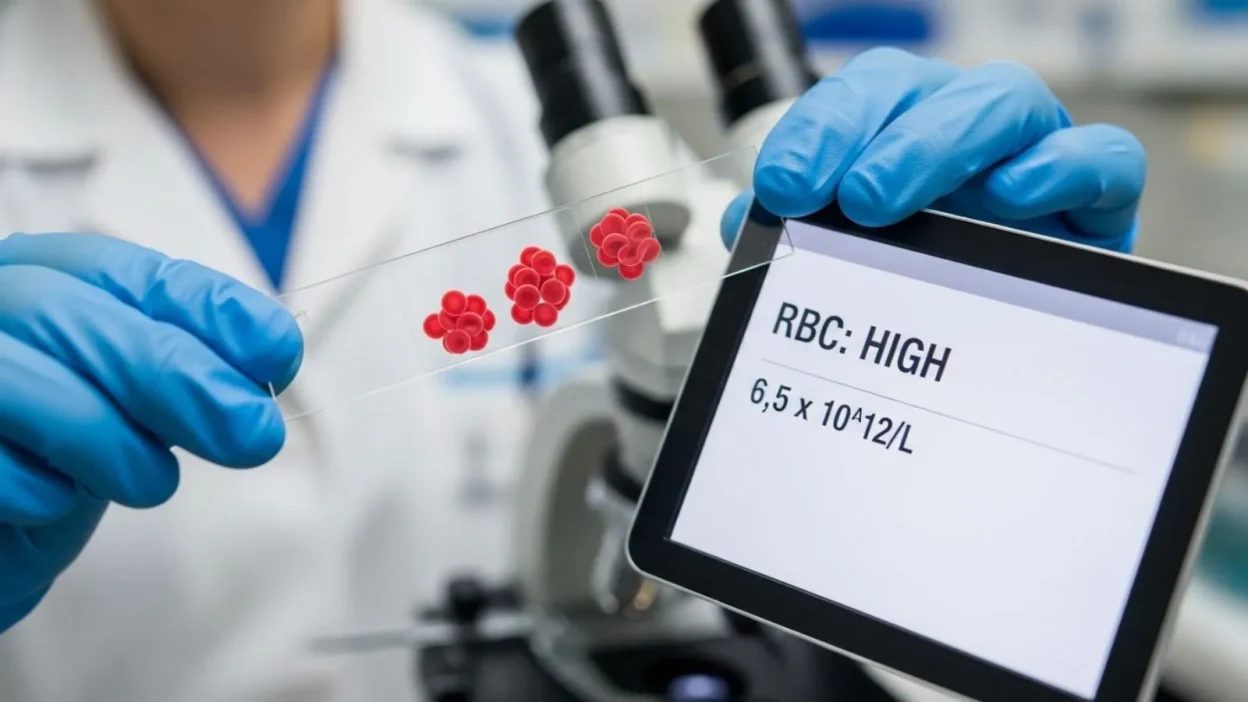
Red blood cells (RBCs) are essential components of your blood, responsible for carrying oxygen from the lungs to every part of your body. When your RBC count is higher than normal, it can raise questions and sometimes cause concern.
Understanding high RBC meaning is crucial for interpreting your blood test results and taking the right steps to maintain your health.
A high RBC count, medically known as erythrocytosis, can occur due to several factors ranging from dehydration and lifestyle habits to underlying medical conditions like heart or lung disorders.
While some causes are temporary and manageable, others may require careful medical attention. By learning about the causes, symptoms, and risks of high RBC, you can better understand your body and discuss lab results confidently with your doctor.
If you’re reviewing routine blood work or investigating specific symptoms, knowing what high RBC means is the first step toward better health management.
What Are Red Blood Cells (RBCs)?
Red blood cells, or RBCs, are the most abundant cells in your blood and play a critical role in keeping your body alive and functioning. Their main job is to carry oxygen from the lungs to tissues and organs and transport carbon dioxide back to the lungs for removal. This oxygen transport is essential for energy production, organ function, and overall vitality.
RBCs are unique because they contain hemoglobin, a protein that binds to oxygen and gives red blood cells their characteristic color. The typical lifespan of an RBC is about 120 days, after which old cells are removed by the spleen and replaced with new ones from the bone marrow.
A normal RBC count varies depending on age, sex, and overall health. For adult men, a healthy RBC range is usually 4.7 to 6.1 million cells per microliter of blood, while for adult women, it is 4.2 to 5.4 million cells per microliter. Children and newborns have slightly different ranges.
Understanding what RBCs are and their normal range helps make sense of blood test results. When your RBC count is higher than normal, it may signal that your body is working harder to carry oxygen or could indicate other underlying issues. Knowing these basics is the first step in understanding the meaning of high RBC levels and why monitoring them is important for long-term health.
High RBC Meaning Explained
A high RBC, or elevated red blood cell count, is medically referred to as erythrocytosis. This condition means your blood contains more red blood cells than the normal range, which can affect the way your blood flows and how efficiently oxygen is transported throughout the body. While having a few extra RBCs may not always cause symptoms, sustained high levels can increase the risk of complications such as blood clots, strokes, or heart strain.
High RBC levels can occur for a variety of reasons. Sometimes, it’s a physiological response your body produces more red blood cells to compensate for low oxygen levels. For example, living at high altitudes, chronic lung disease, or even intense athletic training can temporarily raise RBC counts. Other times, high RBC is caused by medical conditions such as polycythemia vera, a disorder where the bone marrow produces too many red blood cells. Lifestyle factors like smoking or severe dehydration can also contribute to elevated RBC levels.
Understanding the meaning of a high RBC count is essential because it provides insight into your body’s oxygen-carrying capacity and overall health. Interpreting this result alongside hemoglobin, hematocrit, and other blood parameters helps doctors identify whether the cause is temporary and manageable or if it requires further investigation. Recognizing what high RBC means empowers you to take proactive steps toward maintaining healthy blood and preventing potential complications.
Causes of High RBC Levels
A high RBC count can occur for several reasons, broadly categorized into primary and secondary causes. Understanding these causes is important to determine whether the condition is temporary, lifestyle-related, or due to a medical issue.
Primary Causes
The main primary cause of high RBC is polycythemia vera, a rare bone marrow disorder. In this condition, the bone marrow produces excessive red blood cells, leading to thicker blood and increased risk of complications like blood clots. This condition often requires ongoing medical management and monitoring.
Secondary Causes
Secondary causes are usually a response to lower oxygen levels in the body. Chronic lung diseases, such as COPD, or heart conditions can trigger increased RBC production to improve oxygen delivery. People living at high altitudes naturally have higher RBC counts to adapt to lower oxygen levels. Smoking is another common factor, as carbon monoxide exposure reduces oxygen in the blood, prompting the body to produce more RBCs.
Lifestyle and Temporary Factors
Dehydration can temporarily concentrate red blood cells, making the RBC count appear elevated. Excessive exercise, especially endurance training, may also raise RBC levels as the body adapts to increased oxygen demands. Certain medications, like steroids or erythropoietin (EPO) injections, can contribute to higher RBC counts as well.
Symptoms of High RBC
High RBC levels, or erythrocytosis, don’t always cause obvious symptoms, especially in mild cases. Many people discover their elevated RBC count only during routine blood tests. However, when symptoms do appear, they often reflect the increased thickness of the blood and the body’s effort to deliver oxygen efficiently.
Common Symptoms
Some of the more noticeable signs of high RBC include fatigue, dizziness, headaches, and blurred vision. These occur because thicker blood flows more slowly, reducing oxygen delivery to tissues. You may also experience red or flushed skin, especially on the face, due to increased blood volume. Shortness of breath and a feeling of general weakness can also be early indicators.
Severe Symptoms and Complications
When RBC levels are significantly elevated, more serious symptoms may develop. Chest pain, irregular heartbeat, or high blood pressure can indicate that the heart is under stress from the thicker blood. In some cases, high RBC increases the risk of blood clots, strokes, or heart attacks, which require immediate medical attention.
Subtle or Overlooked Signs
Some people may notice tinnitus (ringing in the ears), numbness or tingling in hands and feet, or difficulty concentrating. These symptoms are often overlooked but can signal underlying issues that need evaluation.
Risks and Complications of High RBC
Having a high RBC count, while sometimes harmless, can pose serious health risks if left unchecked. Elevated red blood cell levels thicken the blood, making it harder for the heart to pump and increasing the risk of clots and other cardiovascular problems. Understanding these risks is crucial for maintaining long-term health.
Cardiovascular Risks
Thicker blood flows less easily through arteries and veins, increasing the chance of blood clots. These clots can block blood flow to the heart or brain, potentially causing heart attacks or strokes. High RBC can also strain the heart, leading to high blood pressure, chest pain, or irregular heartbeat over time.
Organ and Circulatory Risks
When blood becomes too viscous, it can reduce oxygen delivery to vital organs. This may cause fatigue, dizziness, headaches, and poor concentration. In severe cases, insufficient oxygen supply can affect the brain, kidneys, and liver, leading to further complications.
Other Health Concerns
People with high RBC levels are at higher risk for polycythemia vera complications if the condition is caused by this bone marrow disorder. Additionally, untreated high RBC due to lifestyle factors, such as smoking or dehydration, can exacerbate existing health issues.
How High RBC Is Diagnosed
Diagnosing high RBC begins with a routine blood test, usually part of a complete blood count (CBC). This test measures several key parameters, including red blood cell count, hemoglobin, and hematocrit, which help determine whether your RBC levels are within the normal range. Abnormal results may prompt further investigation to identify the underlying cause.
Blood Tests and Measurements
The RBC count indicates the number of red blood cells in a specific volume of blood. Hemoglobin measures the protein in red blood cells that carries oxygen, while hematocrit reflects the proportion of blood volume made up of red blood cells. Elevated readings in these tests suggest high RBC levels and help doctors assess the severity of the condition.
Additional Tests
To pinpoint the cause of high RBC, doctors may order additional tests. Oxygen saturation tests check how effectively oxygen is carried in your blood, while bone marrow analysis may be needed if a primary condition like polycythemia vera is suspected. Imaging studies can also help detect underlying heart or lung conditions that contribute to secondary high RBC.
Medical Consultation
It’s important to review blood test results with a healthcare professional. They consider your age, sex, lifestyle, medical history, and any medications that may affect RBC levels. Understanding the diagnosis allows you and your doctor to determine whether high RBC is temporary, lifestyle-related, or a sign of a more serious medical condition.
Treatment and Management of High RBC
Managing a high RBC count depends on the underlying cause and the severity of the condition. While some cases are mild and may only require lifestyle changes, others need medical interventions to reduce the risk of complications such as blood clots, stroke, or heart problems.
Lifestyle Adjustments
For individuals whose high RBC is influenced by lifestyle factors, simple changes can make a significant difference. Staying well-hydrated helps prevent blood from becoming too thick, while quitting smoking reduces carbon monoxide exposure that can elevate RBC levels. Maintaining a balanced diet rich in antioxidants and avoiding excessive iron supplementation (unless prescribed) may also help regulate RBC counts naturally.
Medical Treatments
In cases where high RBC is caused by a medical condition, treatment may include phlebotomy, a procedure where a small amount of blood is removed to reduce red blood cell volume and lower blood viscosity. Medications that reduce red blood cell production may be prescribed for conditions like polycythemia vera. Oxygen therapy may be recommended for patients with chronic lung or heart diseases to improve oxygen levels and decrease RBC production.
Monitoring and Follow-Up
Regular blood tests are crucial to track RBC levels and assess the effectiveness of treatment. Your doctor may adjust your management plan based on test results, symptoms, and overall health. Early intervention and consistent monitoring help prevent complications and support long-term cardiovascular and systemic health.
Preventing High RBC Levels
Prevention is always better than treatment, especially when it comes to high RBC levels. While some causes, like genetic disorders or living at high altitudes, cannot be changed, there are several practical steps you can take to maintain a healthy red blood cell count and reduce the risk of complications.
Stay Hydrated
Dehydration can concentrate your blood and artificially elevate RBC levels. Drinking plenty of water throughout the day helps maintain proper blood volume and viscosity, supporting healthy circulation.
Quit Smoking and Limit Alcohol
Smoking exposes the body to carbon monoxide, which reduces oxygen levels and prompts the production of more RBCs. Quitting smoking and minimizing alcohol intake can help keep RBC levels stable and improve overall cardiovascular health.
Regular Exercise
Moderate, consistent exercise improves blood circulation and oxygen delivery to tissues. However, avoid excessive endurance training without proper monitoring, as it can temporarily increase RBC levels.
Balanced Diet
Eating a nutritious diet rich in fruits, vegetables, and whole grains supports overall blood health. Avoid unnecessary iron supplementation unless prescribed by a doctor, as excess iron can raise RBC levels.
Routine Checkups
Regular blood tests and medical checkups help detect any abnormal RBC changes early. Early detection allows for timely interventions and reduces the risk of complications such as blood clots, stroke, or heart problems.
When to See a Doctor
Knowing when to seek medical attention for high RBC is essential for preventing complications and maintaining long-term health. While some elevated RBC counts are temporary or related to lifestyle factors, persistent or extremely high levels can indicate serious underlying conditions.
Warning Signs to Watch For
Seek medical advice if you experience symptoms such as frequent headaches, dizziness, blurred vision, chest pain, or shortness of breath. These can indicate that your blood is thicker than normal, making it harder for oxygen to circulate efficiently. Other signs include flushed skin, fatigue, numbness or tingling in the hands and feet, or irregular heartbeat. Persistent or worsening symptoms should never be ignored.
Routine Blood Test Alerts
Even without noticeable symptoms, a routine blood test may reveal high RBC levels. It’s important to follow up with your doctor to determine whether the cause is temporary, lifestyle-related, or due to a medical condition such as polycythemia vera or a lung or heart disorder.
Discussing Your Results
When consulting your doctor, provide details about your lifestyle, medications, altitude of residence, and any symptoms. This information helps your healthcare provider accurately assess the cause of high RBC and recommend appropriate interventions, whether lifestyle changes, monitoring, or medical treatment.
Importance of Early Intervention
Early detection and professional guidance reduce the risk of blood clots, heart attacks, and strokes. By recognizing warning signs and seeking timely medical evaluation, you can protect your health and prevent serious complications associated with high RBC.
FAQs
1. What does a high RBC count mean?
A high RBC count, or erythrocytosis, indicates that your blood has more red blood cells than normal. It can result from temporary factors like dehydration or long-term conditions like polycythemia vera.
2. Can dehydration cause high RBC?
Yes. When your body is dehydrated, the blood becomes more concentrated, which can temporarily raise RBC levels. Proper hydration usually resolves this.
3. Is high RBC dangerous?
High RBC can increase the risk of complications such as blood clots, strokes, or heart problems if left untreated. The severity depends on the cause and how elevated the RBC count is.
4. Can diet affect RBC levels?
A balanced diet supports overall blood health. Excessive iron supplementation without medical guidance may increase RBC production. Nutrients like vitamin B12 and folate are essential for healthy red blood cells.
5. How is high RBC treated?
Treatment depends on the underlying cause. Mild cases may require lifestyle adjustments, while medical treatments like phlebotomy, medications, or oxygen therapy may be necessary for more serious conditions.
6. Can high RBC cause symptoms if mild?
Mild elevations often do not produce symptoms and may be discovered only during routine blood tests. Monitoring is still important to prevent complications.
7. Does altitude affect RBC count?
Yes. Living at high altitudes can naturally raise RBC levels as the body adapts to lower oxygen availability.
8. Can children have high RBC?
Yes, though it’s less common. High RBC in children may be due to underlying health conditions or environmental factors and should be evaluated by a pediatrician.
Conclusion
A high RBC count, or erythrocytosis, is more than just a number on a blood test it reflects how your body is managing oxygen delivery and overall health.
While mild elevations may be temporary or lifestyle related, consistently high RBC levels can increase the risk of serious complications such as blood clots, heart problems, and strokes.
Understanding the meaning of high RBC, its causes, symptoms, and risks is essential for making informed decisions about your health.
Regular blood tests, proactive monitoring, and professional medical guidance are key to managing elevated RBC levels effectively.
Simple lifestyle changes like staying hydrated, quitting smoking, maintaining a balanced diet, and moderate exercise can prevent or reduce high RBC levels.
By staying aware of your blood health and seeking timely medical attention when needed, you can protect your cardiovascular system, enhance overall well-being, and maintain a healthy, balanced life.