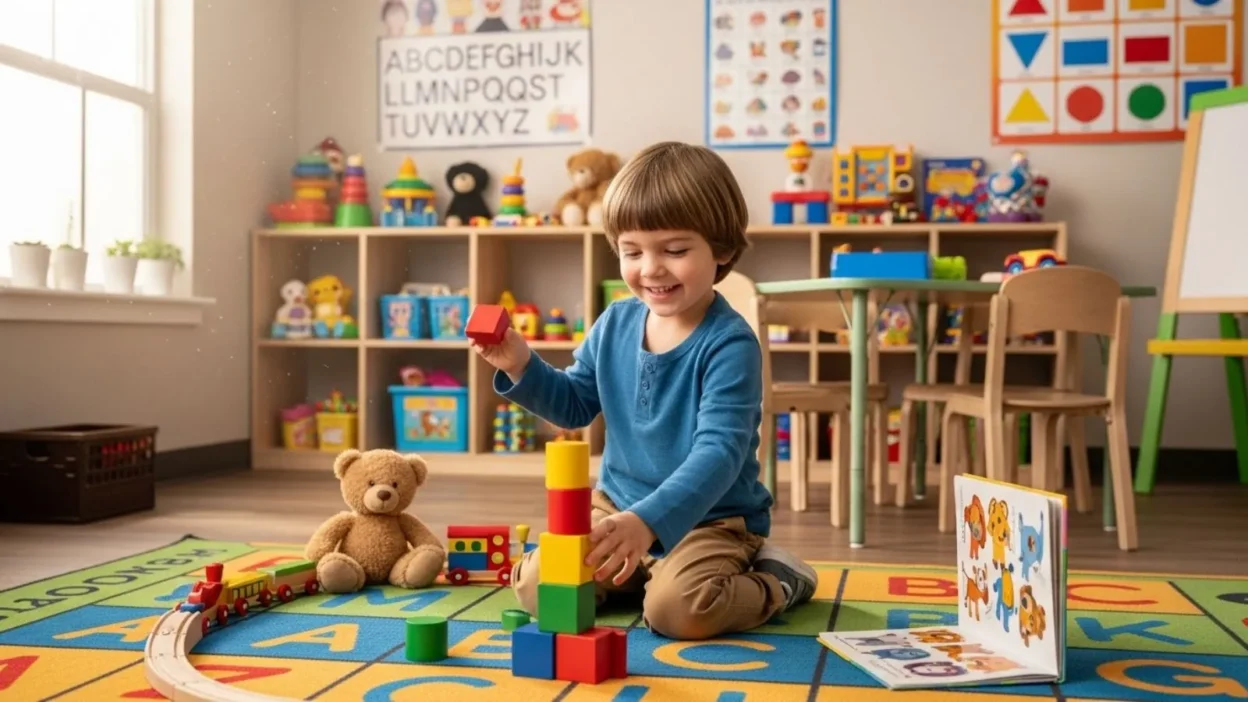
The preschool age is a critical stage in a child’s life, typically ranging from ages 3 to 5, where rapid growth and development occur across multiple domains.
During these formative years, children begin to develop essential physical, cognitive, emotional, and social skills that lay the foundation for lifelong learning.
Parents and educators play a pivotal role in guiding preschoolers through milestones such as improving language and communication, mastering fine and gross motor skills, building social relationships, and fostering independence.
Understanding the preschool age helps caregivers provide the right support, structure, and age appropriate activities to nurture growth effectively. From engaging in creative play and educational games to learning self help skills, every experience contributes to a child’s overall development.
This comprehensive guide explores the key aspects of preschooler development, activities to promote growth, challenges to anticipate, and strategies to ensure children are ready for the next stage of their educational journey.
What Is Preschool Age?
The term preschool age generally refers to children between 3 and 5 years old, a stage that bridges the gap between toddlerhood and formal schooling. This period is vital because it is when children experience rapid growth and development in almost every aspect of their lives. During these years, children begin to explore the world more independently, develop basic social skills, and gain confidence in their abilities.
Physically, preschoolers improve both gross motor skills, such as running, jumping, and climbing, and fine motor skills, like drawing, cutting with scissors, and self-feeding. Cognitively, children in this stage start expanding their vocabulary, forming complete sentences, solving simple problems, and engaging in imaginative play. Emotional and social development also takes center stage, as preschoolers learn to manage their feelings, build friendships, share with peers, and navigate small conflicts.
The preschool age is also critical for school readiness, as children begin learning to follow instructions, cooperate with others, and develop early numeracy and literacy skills.
Physical Development in Preschoolers
Physical development is one of the most noticeable aspects of the preschool age, as children grow rapidly and gain new skills every day. During this stage, children develop both gross motor skills involving large muscle movements like running, jumping, climbing, and balancing and fine motor skills, which include precise hand movements such as drawing, cutting, stacking blocks, and self-feeding.
Gross motor development allows preschoolers to explore their environment safely and actively. Activities like outdoor play, simple sports, dancing, and obstacle courses help improve coordination, balance, and overall fitness. Meanwhile, fine motor skills support important learning activities such as writing, coloring, and manipulating small objects. Encouraging these skills through puzzles, building blocks, and arts and crafts can significantly enhance a child’s cognitive and physical growth.
Physical growth at this age also involves health and nutrition. Balanced meals, proper hydration, and adequate sleep are crucial to support energy levels and healthy brain development. Regular check-ups and vaccinations ensure children stay healthy and reach developmental milestones on schedule.
Overall, the preschool years are a time of incredible physical transformation, where children gain strength, coordination, and independence. Providing opportunities for active play, skill-building activities, and healthy habits lays a strong foundation for a lifetime of physical wellness.
Cognitive Development at Preschool Age
Cognitive development during the preschool years is a critical part of a child’s growth, as this is when children start to think, learn, and understand the world around them in more complex ways. Between ages 3 and 5, preschoolers experience significant progress in language, thinking, problem-solving, and memory skills, laying the foundation for future academic success.
Language and communication skills grow rapidly at this stage. Children expand their vocabulary, form complete sentences, and begin to express ideas, emotions, and questions clearly. They learn to follow multi-step instructions, tell stories, and engage in conversations, which enhances both comprehension and social interactions.
Problem-solving and critical thinking also develop during the preschool years. Children start recognizing patterns, sorting objects by shape or color, and understanding cause-and-effect relationships. Simple puzzles, memory games, and activities like matching or sequencing help strengthen these cognitive abilities.
Imagination and creativity play a huge role in cognitive growth. Through pretend play, role-playing, drawing, and storytelling, children explore new concepts, practice decision-making, and develop flexible thinking. Encouraging curiosity by asking open-ended questions or exploring nature further stimulates cognitive development.
Preschoolers also begin developing early numeracy and literacy skills, such as counting, recognizing letters, and understanding basic concepts of time and measurement. These foundational abilities prepare them for formal education.
Emotional and Social Development in Preschoolers
The preschool years are a crucial time for developing emotional awareness and social skills, which are essential for a child’s overall well-being and success in school and life. Between ages 3 and 5, children begin to understand and express their emotions more clearly while also learning to recognize the feelings of others.
Emotional development during this stage includes learning to manage frustration, cope with disappointment, and express happiness, sadness, or anger in socially appropriate ways. Preschoolers gradually develop self-regulation skills, which help them wait their turn, follow rules, and adapt to changes in routine. Encouraging children to talk about their feelings and providing gentle guidance helps strengthen emotional resilience.
Social development involves building relationships and interacting with peers and adults. Children learn important skills such as sharing, taking turns, cooperating, and resolving conflicts. Through group play and collaborative activities, preschoolers develop empathy, understanding the needs and feelings of others, and beginning to form lasting friendships.
Independence and confidence also grow during this stage. Children start performing self-care tasks like dressing, feeding, and tidying up, which boosts self-esteem and encourages autonomy. Positive reinforcement and praise from caregivers further nurture a child’s sense of competence.
Supporting emotional and social development in preschoolers prepares them for school, helping them navigate classroom dynamics, communicate effectively, and maintain healthy relationships.
Preparing Your Child for Preschool
Preparing a child for preschool is an important step in ensuring a smooth transition into formal education. The preschool years, typically ages 3 to 5, are when children develop essential cognitive, social, and emotional skills that form the foundation for learning and independence. By focusing on school readiness, parents and caregivers can help children feel confident and capable as they enter this new stage.
School readiness skills include following instructions, sitting through short activities, and understanding basic concepts such as numbers, letters, shapes, and colors. Engaging in educational games, simple counting exercises, or storytelling sessions at home strengthens these skills and prepares children for classroom learning.
Social readiness is equally important. Preschoolers need opportunities to interact with peers, practice sharing, taking turns, and cooperating in group activities. Encouraging playdates, group games, and collaborative projects helps children build friendships and develop essential social skills.
Emotional readiness ensures children can handle separation from parents, manage frustration, and ask for help when needed. Gradually introducing short periods away from caregivers, establishing predictable routines, and discussing feelings can ease anxiety and foster independence.
Additionally, parents and caregivers should foster curiosity, creativity, and a love for learning. A supportive and structured environment that balances learning, play, and emotional guidance helps children feel secure and excited about preschool.
Activities to Support Preschool Development
Engaging preschoolers in age appropriate activities is essential for supporting their physical, cognitive, emotional, and social growth. At this stage, children learn best through hands on, playful experiences that stimulate curiosity and creativity while reinforcing important skills.
Creative activities such as drawing, coloring, painting, and imaginative play allow children to express themselves, develop fine motor skills, and strengthen problem-solving abilities. Pretend play, role-playing, and storytelling encourage imagination, decision-making, and social understanding, helping children process real-world situations in a safe environment.
Physical activities are equally important. Outdoor play, running, jumping, climbing, dancing, and simple sports improve gross motor skills, balance, and coordination. Fine motor development can be enhanced through activities like building blocks, puzzles, threading beads, and manipulating playdough. Regular physical activity also supports healthy growth, energy management, and overall well-being.
Cognitive and educational games help preschoolers develop early numeracy, literacy, and reasoning skills. Sorting objects, matching games, memory challenges, counting exercises, and letter recognition activities provide foundational knowledge in a fun and engaging way. Science-based explorations, such as observing plants or small animals, stimulate curiosity and analytical thinking.
Social and collaborative activities—like group art projects or cooperative games—teach communication, sharing, empathy, and teamwork. Parents and educators can guide children during these activities, praising effort and encouraging problem-solving.
Role of Parents and Educators
Parents and educators play a vital role in shaping the development of preschool-aged children. During these formative years, children rely on consistent guidance, encouragement, and support to build physical, cognitive, emotional, and social skills. A collaborative approach between caregivers and teachers ensures that children receive well-rounded development both at home and in preschool settings.
At home, parents can support learning by engaging children in activities that promote curiosity, creativity, and problem-solving. Reading together, asking open-ended questions, and encouraging exploration help develop language and cognitive skills. Establishing consistent routines and providing a safe, structured environment also fosters a sense of security, which is essential for emotional growth.
Educators, meanwhile, guide children through structured learning experiences that target school readiness skills, such as following instructions, cooperating in group activities, and developing early literacy and numeracy abilities. Positive reinforcement, patient guidance, and individualized attention help children feel confident and motivated to learn.
Both parents and educators play a crucial role in discipline and behavior management. Encouraging positive behaviors, setting clear boundaries, and teaching conflict resolution skills help children navigate social interactions successfully. Collaboration between home and school ensures consistency in expectations and reinforces learning.
Common Challenges and How to Overcome Them
The preschool years are exciting, but they also come with challenges that parents and educators need to navigate carefully. Understanding common issues and applying effective strategies can make this stage smoother for children and caregivers alike.
One frequent challenge is separation anxiety, which often occurs when children begin preschool or spend time away from parents. Signs include crying, clinginess, or reluctance to enter the classroom. To ease this, parents can gradually introduce short periods away from home, establish consistent drop-off routines, and offer reassurance through positive words and gentle goodbyes.
Behavioral challenges are another common concern. Preschoolers may experience tantrums, defiance, or difficulty following rules as they test boundaries and express emotions. Clear, consistent expectations, positive reinforcement, and calm responses help children understand appropriate behavior. Redirecting attention, offering choices, and modeling patience are also effective strategies.
Socialization difficulties can arise, particularly for shy or reserved children. They may struggle to make friends or engage in group activities. Encouraging small playdates, cooperative games, and structured group activities helps children gradually build confidence and social skills.
FAQs About Preschool Age
Parents and caregivers often have many questions about the preschool years, from developmental milestones to school readiness. Understanding common concerns can help guide children effectively through this critical stage.
1. What is the ideal age to start preschool?
Most children start preschool between 3 and 5 years old, though the exact age depends on the child’s emotional, social, and cognitive readiness. Some children may benefit from early enrollment at age 3, while others thrive starting at 4 or 5.
2. How many hours should a preschooler spend at school?
Preschool programs vary, with half-day sessions ranging from 2 to 4 hours and full-day programs lasting 6 to 8 hours. The ideal schedule balances learning, play, and rest to suit a child’s attention span and energy levels.
3. What skills should my child have before starting preschool?
Important school readiness skills include basic language and communication, following instructions, self-help abilities like dressing and toileting, and social skills such as sharing and cooperating with peers.
4. How can I support my child’s development at home?
Engage in reading, storytelling, creative play, and problem-solving activities. Encourage curiosity, independence, and social interaction through playdates, group activities, and daily routines.
5. What signs indicate developmental delays?
While children develop at different rates, consistent difficulty with communication, motor skills, social interaction, or self-care may warrant guidance from a pediatrician or early childhood specialist.
Conclusion:
The preschool years, typically spanning ages 3 to 5, are a crucial stage of growth and development that lay the foundation for a child’s future learning, social skills, and emotional well being.
During this period, children experience rapid progress across multiple areas: physical, cognitive, emotional, and social. Understanding these milestones helps parents and educators provide the right guidance, support, and learning opportunities tailored to each child’s unique pace.
Physical development allows preschoolers to gain strength, coordination, and independence through activities like running, climbing, and fine motor tasks such as drawing or cutting.
Cognitive growth equips children with language, problem solving, and early numeracy and literacy skills, preparing them for formal schooling.
Meanwhile, emotional and social development helps children manage feelings, build relationships, cooperate with peers, and develop empathy and self-confidence.
Parents and educators play a central role in supporting preschoolers by creating a nurturing environment, providing age appropriate activities, and fostering curiosity and creativity.
Challenges such as separation anxiety, behavioral issues, or social difficulties can be effectively managed with consistent guidance, positive reinforcement, and collaborative support.
Ultimately, the preschool age is a time of exploration, discovery, and rapid learning. By actively engaging with children, offering guidance, and encouraging both independence and social interaction, caregivers ensure that preschoolers develop the essential skills, confidence, and resilience they need to succeed in school and beyond.