
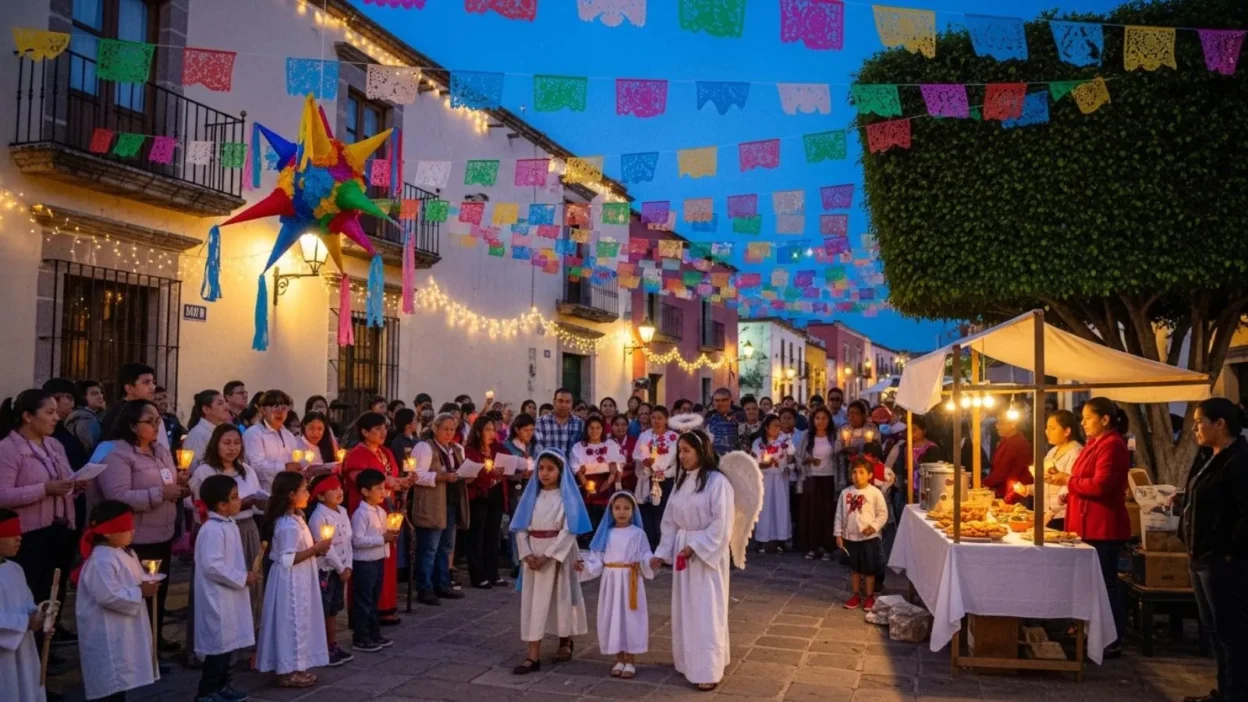
The word “Posada” is a Spanish term that carries both simple and deep cultural meanings. In its basic sense, posada means an inn, lodging, or guesthouse, a place where travelers rest during their journey.
However, the meaning of posada goes far beyond just accommodation. In many Spanish-speaking countries, especially Mexico, it is also strongly connected to the famous Christmas tradition known as “Las Posadas.”
Las Posadas is a cultural and religious celebration that represents Mary and Joseph’s search for shelter before the birth of Jesus Christ.
This tradition is filled with prayers, music, processions, and community gatherings, making it an important part of Latin American heritage.
Because of its dual meaning both literal and cultural the word “posada” is widely searched and often misunderstood. In this article, we will explore the true meaning of posada, its origin, cultural importance, and how it is used today in different contexts.
What Is the Literal Meaning of Posada?
The literal meaning of the word “posada” comes from the Spanish language, where it generally refers to an inn, lodge, guesthouse, or place to stay. It is derived from the verb “posar,” which means to stay, rest, or take shelter. Because of this origin, the word “posada” is closely linked with the idea of providing rest and accommodation for travelers or guests.
In everyday Spanish usage, a posada can describe a small hotel, a rural inn, or even a simple family-run lodging place. Unlike large commercial hotels, posadas are often seen as more traditional, cozy, and culturally authentic. They are commonly found in rural areas or tourist destinations where visitors want a more local experience.
For example, someone traveling in a Spanish-speaking country might say, “Nos quedamos en una posada,” which means “We stayed in an inn.” This shows how naturally the word is used in daily conversation to describe a place of rest.
In modern tourism, the term “posada” is also used as a branding name for hotels, eco-lodges, and guesthouses. Many businesses choose this name because it gives a sense of warm hospitality, comfort, and tradition.
Overall, the literal meaning of posada is simple—a place to stay or rest—but it carries a warm and welcoming feeling that reflects the culture of hospitality in Spanish-speaking regions.
Etymology and Linguistic Origin of Posada
The word “posada” has deep linguistic roots in the Spanish language and can be traced back to Latin origins. It is derived from the verb “posar,” which means to rest, stay, or settle down temporarily. This verb itself comes from the Latin word “pausare,” which means to pause or take a break. Over time, this evolved into the Old Spanish form, eventually becoming posada, which refers to a place where someone pauses their journey to rest.
Historically, the concept of a posada was closely connected to travel and hospitality. In earlier centuries, when long-distance travel was difficult and slow, inns and lodging houses were essential for travelers, merchants, and pilgrims. These resting places were called posadas, highlighting their purpose as safe stops along a journey.
As the Spanish language spread across Europe and later to Latin America during colonization, the word “posada” also traveled with it. Today, it is widely used in many Spanish-speaking countries, though its meaning has expanded beyond just physical lodging.
In modern Spanish, the word still retains its original sense of temporary shelter or accommodation, but it has also gained cultural and symbolic importance, especially in Latin America. The evolution of the word shows how language adapts over time while preserving its original idea of rest and shelter.
Posada in Spanish-Speaking Culture
In Spanish-speaking cultures, the word “posada” is widely used to describe more than just a place to stay—it reflects a deep tradition of hospitality, comfort, and community care. In countries like Spain and across Latin America, a posada usually refers to a small inn, guesthouse, or rural lodging that offers travelers a warm and personal experience. Unlike large hotels, posadas are often family-owned and provide a more traditional and culturally rich environment.
In everyday life, the concept of a posada represents the importance of welcoming guests and offering shelter to those in need. This cultural value is deeply rooted in Spanish-speaking societies, where hospitality is seen as a sign of respect and kindness. The idea of “making someone feel at home” is closely tied to the meaning of posada.
In many rural and tourist areas, posadas are still very popular. They are often decorated in a traditional style and may include local food, handmade crafts, and personal interaction with hosts. This gives visitors a chance to experience authentic local culture rather than a commercialized stay.
The word is also commonly used in business names, especially in tourism. Many hotels, resorts, and eco-lodges include “Posada” in their name to highlight a sense of warmth, tradition, and cultural identity.
Overall, in Spanish-speaking culture, a posada is more than just accommodation—it represents a way of life based on hospitality, tradition, and human connection, making it an important part of both language and cultural identity.
What Are Las Posadas?
Las Posadas is a traditional and highly meaningful Christmas celebration observed mainly in Mexico and other Latin American countries. The word “posadas” in this context refers to inns or places of lodging, and the celebration represents the journey of Mary and Joseph searching for shelter in Bethlehem before the birth of Jesus Christ. This event is both religious and cultural, blending faith with community traditions.
Las Posadas is celebrated every year from December 16th to December 24th, lasting for nine nights. Each night, people gather in neighborhoods, churches, or homes to reenact the journey of Mary and Joseph. Participants form a procession, often carrying candles and singing traditional songs known as “villancicos” or “pidiendo posada”, which means “asking for shelter.”
During the reenactment, one group represents Mary and Joseph asking for lodging, while another group inside a house refuses them entry at first, symbolizing the biblical story. Eventually, they are welcomed inside, representing acceptance and hospitality. Once inside, the celebration continues with prayers, food, music, and social gatherings.
Las Posadas is not only a religious event but also a strong community tradition. It brings families, neighbors, and friends together, strengthening social bonds and cultural identity. One of the most popular activities during Las Posadas is breaking a piñata, which symbolizes overcoming temptation and evil.
Today, Las Posadas is celebrated not only in Mexico but also in many parts of the United States and other countries with Latin American communities. It remains a powerful reminder of faith, hospitality, and unity during the Christmas season.
History of Las Posadas Tradition
The tradition of Las Posadas has a long and meaningful history that dates back to the colonial period in Mexico. It was introduced in the 16th century by Spanish Catholic missionaries who arrived in the Americas. Their goal was to teach Christian beliefs to the Indigenous population in a way that was easier to understand and relate to. To achieve this, they combined biblical stories with local customs and traditions, creating a cultural practice that became Las Posadas.
The celebration is based on the biblical journey of Mary and Joseph, who traveled to Bethlehem searching for a place to stay before the birth of Jesus Christ. The missionaries used this story to create a symbolic reenactment that people could participate in during the days leading up to Christmas.
Over time, Las Posadas became deeply rooted in Mexican culture. Indigenous traditions of music, dance, and community gatherings blended with Christian teachings, giving the celebration a unique identity. What began as a religious teaching tool gradually evolved into a popular cultural festival observed by families and communities.
During the colonial era, the event was often held in churches, but later it expanded into homes and neighborhoods. This made it more personal and community-based, allowing everyone to take part.
Today, Las Posadas remains an important tradition in Mexico and has also spread to other countries with Latin American communities. While its religious meaning is still central, it is now also seen as a celebration of family, unity, and cultural heritage.
How Las Posadas Are Celebrated Today
Today, Las Posadas is celebrated as a joyful blend of religious devotion, cultural tradition, and community gathering, mainly across Mexico and many Latin American communities worldwide. The celebration takes place every year from December 16th to December 24th, marking nine nights of preparation before Christmas.
Each evening, people gather in neighborhoods, churches, or homes to begin a symbolic procession. Participants often carry candles and statues of Mary and Joseph, while singing traditional songs known as “pidiendo posada”, which means “asking for shelter.” One group represents Mary and Joseph, while another group inside a house plays the role of innkeepers who initially refuse entry, reenacting the biblical story in a dramatic and musical way.
After several rounds of singing, the innkeepers finally open the doors, welcoming everyone inside. This moment symbolizes hospitality, acceptance, and kindness, which are key values of the tradition. Once inside, the celebration continues with prayers, shared meals, music, and social bonding.
One of the most exciting parts of Las Posadas is the breaking of a piñata, usually shaped like a star with seven points. The piñata represents temptation and evil, and breaking it symbolizes overcoming negativity through faith and goodness. Children especially enjoy this part of the celebration.
Food plays a big role as well, with traditional snacks, sweets, and warm drinks being served to guests. Families and neighbors come together, making the event feel like a community festival rather than just a religious ceremony.
In modern times, Las Posadas is also celebrated in the United States and other countries with Latino populations, helping preserve cultural identity across generations.
Religious Significance of Posadas
The religious significance of Posadas, especially in the form of Las Posadas, is deeply rooted in the Christian Nativity story. It represents the journey of Mary and Joseph as they searched for shelter in Bethlehem before the birth of Jesus Christ. This powerful story is central to Christianity and symbolizes themes of faith, humility, and divine purpose.
In religious practice, Las Posadas is not just a reenactment but also a spiritual reflection. It reminds believers of the importance of welcoming others, especially those in need. The refusal and eventual acceptance of Mary and Joseph into a home during the celebration symbolize the human struggle between rejection and compassion, teaching the value of hospitality and kindness.
For many Catholic communities, Posadas is a time of prayer, devotion, and preparation for Christmas. The nine nights of celebration are often seen as a spiritual journey leading up to the birth of Christ. Each day represents a step closer to Christmas, encouraging reflection, patience, and faith.
Churches often play a central role in organizing Posadas, guiding processions, prayers, and hymns. The songs sung during the celebration, such as “pidiendo posada,” are not only cultural expressions but also acts of worship and devotion.
Beyond its historical and cultural aspects, Posadas serves as a reminder of Christian values such as charity, unity, and forgiveness. It encourages communities to open their hearts to others and live according to the teachings of Jesus Christ.
Symbolism Behind Las Posadas
The tradition of Las Posadas is rich in symbolism, representing deep spiritual and cultural meanings that go beyond its surface celebration. At its core, Las Posadas symbolizes the journey of Mary and Joseph searching for shelter before the birth of Jesus Christ. This journey represents struggle, faith, and perseverance, as they faced rejection before finally finding acceptance.
One of the most important symbols in Las Posadas is the idea of hospitality. The refusal and later welcoming of Mary and Joseph into a home reflect human behavior—how people may reject others at first but eventually choose compassion and kindness. This teaches the importance of opening doors to those in need, both literally and spiritually.
Another strong symbol is the light of candles carried during the processions. These candles represent hope, guidance, and faith, illuminating the path through darkness. They also symbolize the presence of divine light leading believers toward Christmas.
The piñata used during celebrations is also highly symbolic. Traditionally shaped like a star with seven points, it represents temptation and sin. Breaking the piñata symbolizes overcoming evil through faith, patience, and moral strength. The treats inside represent rewards and blessings after overcoming struggles.
Music and songs performed during Las Posadas, especially “pidiendo posada,” symbolize prayer and communication with God, expressing humility and devotion. The back-and-forth singing between guests and hosts reflects the dialogue between humans and divine will.
Overall, the symbolism behind Las Posadas reflects powerful messages of faith, unity, generosity, and spiritual growth. It teaches that even in moments of rejection or difficulty, hope and kindness can lead to acceptance and celebration.
Regional Variations of Posada Celebrations
The celebration of Las Posadas is most strongly associated with Mexico, but over time it has developed regional variations across Latin America and beyond. While the core meaning remains the same—the journey of Mary and Joseph searching for shelter—the way it is celebrated can differ based on local culture, customs, and community traditions.
In Mexico, Las Posadas is celebrated in its most traditional form. Communities organize nightly processions, complete with candles, songs, prayers, and reenactments. The breaking of the piñata, sharing of food, and festive gatherings are central parts of the celebration, making it both religious and social.
In Guatemala and other Central American countries, Posadas also play an important role, but they may include additional local elements such as regional music styles, dances, and unique food traditions. The focus remains on faith and community, but with a stronger influence of indigenous cultural practices.
Churches, schools, and cultural organizations often host simplified versions of the event. These celebrations help younger generations stay connected to their heritage while adapting the tradition to modern life.
Posada in Modern Tourism and Hospitality Industry
While it originally referred to a simple inn or resting place, today it has become a popular name for hotels, guesthouses, eco-lodges, and rural accommodations. Businesses use the word “posada” because it creates an image of warm hospitality, tradition, and cultural authenticity.
Many travelers prefer staying in posadas because they often provide a more personal and local experience compared to large commercial hotels. These accommodations are usually smaller, family-run establishments that focus on comfort, simplicity, and friendly service. In rural or tourist areas, posadas are especially popular because they allow visitors to experience the local lifestyle, food, and culture more closely.
Eco-tourism has also contributed to the popularity of posadas. Many eco-friendly lodges use the term to emphasize their connection with nature, sustainability, and local culture. This makes posadas appealing to travelers who want responsible and meaningful travel experiences.
Difference Between Posada, Hotel, and Inn
The words posada, hotel, and inn are all related to accommodation, but they carry different meanings, cultural backgrounds, and levels of experience. Understanding these differences helps clarify how the term “posada” stands out, especially in Spanish-speaking regions.
A hotel is a modern commercial establishment that provides accommodation, meals, and various services such as room service, reception, and sometimes luxury facilities like pools, gyms, and conference halls. Hotels are usually standardized, professionally managed, and designed for convenience, comfort, and efficiency.
An inn, on the other hand, is a smaller lodging place, often found in rural or historical areas. Inns are typically simpler than hotels and focus on providing basic accommodation and food for travelers. They have a more traditional feel and are often associated with old travel routes in Europe.
A posada shares similarities with an inn but has a stronger cultural identity in Spanish-speaking countries. While it can refer to a small hotel or guesthouse, it also carries a sense of warm hospitality, tradition, and local charm. Posadas are often family-run and provide a more personal and culturally rich experience compared to standard hotels.
Unlike hotels, which focus on business and luxury, posadas emphasize community, culture, and comfort. They are less formal and often reflect local architecture, food, and lifestyle. This makes them especially attractive to travelers seeking authentic experiences rather than commercial services.
In summary, while all three terms describe places to stay, a hotel is modern and commercial, an inn is traditional and simple, and a posada is cultural and welcoming, blending accommodation with local heritage and hospitality.
Social and Community Importance of Las Posadas
Las Posadas is not only a religious or cultural celebration, but also a powerful event that strengthens social bonds and community life. One of its most important roles is bringing families, neighbors, and entire communities together during the Christmas season. Through shared activities, people reconnect, cooperate, and celebrate as one group, reinforcing unity and belonging.
During Las Posadas, communities organize nightly gatherings where everyone participates in processions, songs, prayers, and shared meals. This collective participation encourages teamwork and cooperation, as different families take turns hosting the event. It creates a sense of responsibility and shared ownership of the tradition, making it a true community effort rather than an individual celebration.
Another key aspect is the way Las Posadas helps preserve cultural identity. In a rapidly modernizing world, traditions like this allow younger generations to learn about their heritage. Children actively participate in singing, reenactments, and piñata breaking, helping them understand their cultural roots in a meaningful and memorable way.
The celebration also promotes values of kindness, generosity, and hospitality. By reenacting the story of Mary and Joseph, participants are reminded of the importance of welcoming others and supporting those in need. These lessons extend beyond the event and influence daily behavior within the community.
In many neighborhoods, Las Posadas also becomes a time of joyful social interaction, where people share food, laughter, and stories. It strengthens friendships and builds trust among community members.
Overall, Las Posadas plays a vital role in building stronger, more connected, and culturally aware communities, making it much more than just a seasonal tradition.
Global Awareness and Modern Adaptations of Posadas
In today’s globalized world, the tradition of Las Posadas has spread far beyond Mexico and Latin America, gaining recognition in many parts of the world. This expansion is largely due to migration, cultural exchange, and the growing interest in preserving multicultural traditions. As a result, Posadas are now celebrated in countries such as the United States, Canada, and even parts of Europe, especially in communities with strong Latin American populations.
In the United States, Las Posadas is commonly organized by churches, schools, and cultural associations. These events often follow a simplified version of the traditional celebration, including processions, songs, and community gatherings. They serve as an important way for younger generations of Latino families to stay connected to their cultural roots while living in a different cultural environment.
Modern adaptations of Posadas also reflect contemporary lifestyles. In some places, the celebration is shortened or adapted into a single-day event instead of nine nights. Digital media and social platforms are also used to share Posada traditions, helping spread awareness to people who may not have experienced them firsthand.
Schools in multicultural regions sometimes host educational Posada events to teach students about Christmas traditions from around the world, promoting cultural understanding and diversity. Similarly, tourism organizations may highlight Posadas as part of cultural festivals to attract international visitors.
Despite these modern changes, the core meaning of Posadas remains the same: faith, hospitality, and community unity. Even when adapted to new environments, the tradition continues to preserve its spiritual and cultural essence.
Frequently Asked Questions (FAQ)
What does “posada” literally mean?
Literally, posada means an inn, lodge, or guesthouse in Spanish. It refers to a place where travelers stay or rest during a journey.
Is posada only a religious term?
No, posada is not only religious. While Las Posadas is a famous Christian tradition, the word itself is also used in everyday language for accommodation and hospitality.
What are Las Posadas?
Las Posadas is a nine-day Christmas celebration mainly in Mexico and Latin America that reenacts Mary and Joseph’s search for shelter in Bethlehem.
Why is Posada important in culture?
Posada is important because it represents hospitality, tradition, and community values, especially in Spanish-speaking cultures.
Is Posada the same as a hotel?
Not exactly. A hotel is a modern commercial business, while a posada is often smaller, more traditional, and culturally focused, offering a more personal experience.
Where is Posadas celebrated?
Las Posadas is mainly celebrated in Mexico but also in the United States, Central America, and other regions with Latino communities.
What is the main message of Posadas?
The main message is faith, kindness, hospitality, and unity, reminding people to welcome others and support those in need.
Conclusion
In conclusion, the word “posada” carries a rich and layered meaning that goes far beyond simple translation. At its core, it means an inn, lodging, or guesthouse, reflecting its roots in hospitality and rest.
However, in Spanish-speaking cultures, it also represents the deeply meaningful tradition of Las Posadas, a celebration that symbolizes Mary and Joseph’s search for shelter before the birth of Jesus Christ.
This unique combination of linguistic and cultural significance makes “posada” an important word in both everyday language and religious traditions.
It reflects values such as hospitality, faith, unity, and community spirit, which are deeply embedded in Latin American culture.

Jonathan Bishopson is the punmaster-in-chief at ThinkPun.com, where wordplay meets wit and every phrase gets a clever twist. Known for turning ordinary language into laugh-out-loud lines, Jonathan crafts puns that make readers groan, grin, and think twice. When he’s not busy bending words, he’s probably plotting his next “pun-derful” masterpiece or proving that humor really is the best re-word.