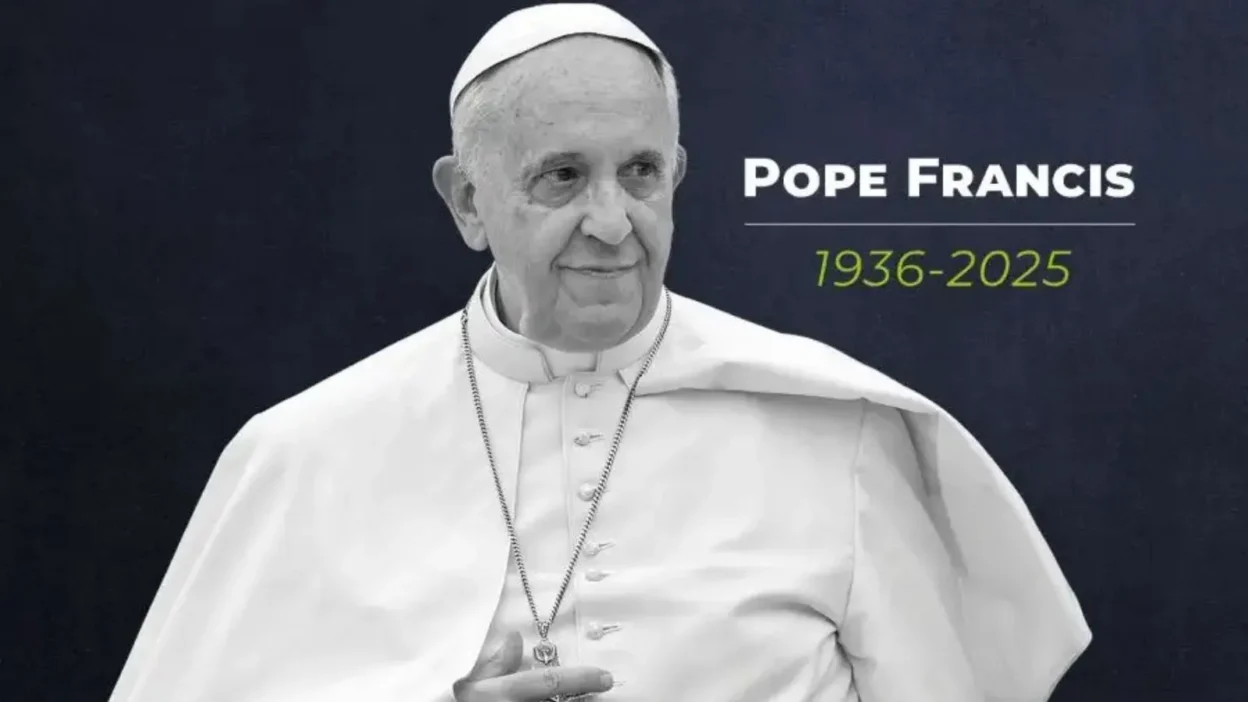
Pope Francis, the 266th pope of the Roman Catholic Church, is one of the most influential religious leaders in the world today.
Born on December 17, 1936, in Buenos Aires, Argentina, he has captured global attention not only for his teachings and reforms but also for his remarkable journey through life.
Many people are curious about Pope Francis’ age, as it reflects both his experience and the wisdom he brings to the papacy.
In 2026, Pope Francis is 89 years old, making him one of the elder statesmen of the Church, yet he continues to actively lead millions of followers worldwide.
Understanding his age gives insight into his long-standing commitment to faith, social justice, and global outreach.
In this article, we will explore Pope Francis’ age, early life, career, milestones, health, and how his years have shaped his leadership and influence.
Early Life and Background
Pope Francis, born Jorge Mario Bergoglio on December 17, 1936, in Buenos Aires, Argentina, came from a humble family. His father, Mario José Bergoglio, was an Italian immigrant working as a railway worker, and his mother, Regina María Sívori, was a dedicated homemaker. Jorge was the eldest of five children, and his upbringing emphasized hard work, discipline, and strong Catholic values. These early lessons in faith and responsibility would later shape his approach to leadership and service in the Church.
From a young age, Jorge demonstrated a deep interest in spirituality and learning. He attended local schools in Buenos Aires and was known for his humility, kindness, and academic diligence. During his teenage years, he even considered a career in chemistry but ultimately felt a strong calling to religious life. In 1958, at the age of 21, he entered the Society of Jesus (Jesuits), committing himself to the priesthood and the Jesuit principles of education, social justice, and spiritual discipline.
Jorge’s early life was also marked by challenges, including financial difficulties and the responsibility of supporting his family. These experiences shaped his empathy, humility, and dedication to the people with low income—qualities that would define his papacy decades later. Understanding Pope Francis’ formative years offers valuable insight into how his age and life experiences contribute to his wisdom, resilience, and enduring global influence.
Priesthood and Career Before Papacy
After entering the Society of Jesus in 1958, Jorge Mario Bergoglio dedicated himself to rigorous religious training and academic study. He was ordained as a priest on December 13, 1969, at the age of 33. Early in his priesthood, he served in various roles, including teaching literature and theology, which allowed him to influence young minds while deepening his own spiritual understanding. His commitment to humility, simplicity, and service quickly earned him respect among colleagues and parishioners alike.
In 1973, Bergoglio was appointed Provincial Superior of the Jesuits in Argentina, a position he held until 1979. During this time, he navigated the Church through Argentina’s turbulent political climate, demonstrating prudence and moral courage. His leadership style emphasized listening, compassion, and a focus on the needs of the people with low-income, reflecting the values instilled in him during his early life.
In 1992, he was appointed Auxiliary Bishop of Buenos Aires and later Archbishop in 1998, taking on greater responsibilities within the Catholic Church. In 2001, he was elevated to Cardinal by Pope John Paul II, solidifying his influence not only in Argentina but across the global Church. By this stage, Bergoglio was in his mid-60s, combining decades of experience with a deep understanding of both spiritual and administrative matters.
These years of service laid the foundation for his future papacy, showing how his age and extensive experience prepared him to lead the Catholic Church with wisdom, empathy, and a commitment to reform.
Papacy and Age at Election
On March 13, 2013, Jorge Mario Bergoglio was elected as the 266th pope of the Roman Catholic Church, taking the name Pope Francis. At the time of his election, he was 76 years old, making him one of the older pontiffs in modern history. His election was historic for several reasons: he became the first pope from the Americas, the first Jesuit pope, and the first from the Southern Hemisphere. His age was a point of discussion globally, as it suggested a leader who brought decades of experience, wisdom, and maturity to the role.
Pope Francis’ age at election was significant in shaping his papacy. Unlike younger popes, he brought a perspective enriched by long years of pastoral work, administrative leadership, and navigating complex social and political environments. His advanced age also indicated a sense of urgency in implementing reforms and addressing global issues within the Church. From the outset, Pope Francis emphasized humility, simplicity, and outreach to the marginalized, signaling a shift from traditional papal norms.
Compared to previous popes, his age was neither the oldest nor the youngest, but it reflected a balance of seasoned judgment and the energy needed to lead a global religious institution. Over the years, his age has not hindered him from traveling extensively, engaging in interfaith dialogue, and addressing pressing humanitarian concerns. Understanding Pope Francis’ age at election provides context for his leadership style and the decisions that have defined his papacy.
Current Age and Health
As of 2026, Pope Francis is 89 years old, making him one of the elder leaders of the Catholic Church. Despite his advanced age, he continues to fulfill his papal duties with remarkable dedication and resilience. Over the years, the pope has maintained a lifestyle focused on simplicity, moderation, and prayer, which has contributed to his longevity and sustained energy for public and spiritual work.
While age naturally brings physical limitations, Pope Francis has remained active in many areas. He continues to deliver speeches, meet world leaders, and make pastoral visits both in Vatican City and abroad. However, some adjustments have been necessary: his schedule is more carefully managed, and he often uses a wheelchair or receives assistance during longer public engagements. The Vatican regularly provides updates on his health, emphasizing that, while he experiences the typical effects of aging, he remains mentally alert and spiritually engaged.
Pope Francis’ age has also shaped how he interacts with the faithful. His wisdom, accrued over nearly nine decades, informs his messages of compassion, humility, and social justice. His experience allows him to approach complex Church and global issues with a unique perspective that younger leaders may not yet have. In a world where longevity is increasingly celebrated, Pope Francis stands as an example of how age, rather than limiting influence, can enhance leadership, empathy, and the ability to inspire millions worldwide.
Comparison With Previous Popes
When looking at Pope Francis’ age, it’s interesting to compare him with previous leaders of the Catholic Church. At 89 years old in 2026, he is older than most popes at the same stage of their papacy. For example, Pope John Paul II, who served from 1978 to 2005, passed away at 84, while Pope Benedict XVI, elected at 78, resigned at 85 due to health concerns. Pope Francis’ longevity sets him apart as a pontiff who continues to actively lead despite his advanced years.
Age in the papacy has historically influenced leadership styles and decisions. Older popes often bring decades of experience, wisdom, and stability, but they may also face challenges in terms of health and stamina. Pope Francis, however, has demonstrated a balance between the maturity of age and the vitality required for his global responsibilities. His ability to travel, engage in interfaith dialogues, and address contemporary issues reflects a remarkable combination of experience and energy.
Furthermore, Pope Francis’ age highlights a modern trend: popes are increasingly serving well into their 80s. This shift allows for continuity and institutional memory within the Church, as well as a deepened perspective on social and global challenges. By comparing his age with predecessors, it becomes clear that Pope Francis’ leadership is defined not just by his years but by how he uses them to shape the Church and impact the world.
Milestones and Achievements by Age
Throughout his life, Pope Francis’ age has coincided with remarkable milestones and achievements that highlight his enduring impact on the Catholic Church and the world. Even before his papacy, his decades of service as a priest, bishop, and cardinal reflected a lifelong commitment to faith, education, and social justice. By the time he became pope at 76, he had already established a reputation for humility, pastoral care, and advocacy for the marginalized.
Since his election, Pope Francis has accomplished numerous milestones, demonstrating that age has not limited his vision or influence. He has led historic visits to countries around the world, engaged in interfaith dialogues, and addressed pressing global issues such as poverty, climate change, and migration. At 80 years old, he celebrated his fifth anniversary as pope with initiatives focused on church reform and outreach to the people with low income, reflecting a deep commitment to service regardless of age.
Pope Francis has also achieved symbolic milestones tied to his age, such as celebrating significant birthdays in public with the faithful and using these moments to reinforce messages of compassion, humility, and unity. His speeches often reflect decades of experience, offering insights that resonate with both older and younger generations. By combining the wisdom of age with active leadership, Pope Francis continues to inspire millions, showing that longevity in life and faith can enhance influence and leave a lasting legacy.
FAQs About Pope Francis Age
1. How old is Pope Francis in 2026?
Pope Francis is 89 years old in 2026, having been born on December 17, 1936, in Buenos Aires, Argentina.
2. When was Pope Francis born?
He was born on December 17, 1936, making him the first pope from the Americas.
3. How old was Pope Francis when he was elected Pope?
He was 76 years old when he was elected as the 266th pope on March 13, 2013.
4. Is Pope Francis the oldest pope in history?
No, Pope Francis is not the oldest pope ever. Pope Leo XIII lived to 93, and Pope Benedict XVI served until age 85 before resigning. However, at 89, Pope Francis is among the elder popes currently leading the Church.
5. How does Pope Francis’ age affect his papacy?
While advanced age brings some physical limitations, Pope Francis continues to travel, meet world leaders, and lead the Church with wisdom and experience. His age contributes to his perspective, decision-making, and global influence.
6. What milestones has Pope Francis achieved at his current age?
Even in his late 80s, he has led global initiatives on social justice, climate change, poverty, and interfaith dialogue, showing that age has not slowed his active leadership.
Conclusion:
Pope Francis, born on December 17, 1936, is 89 years old in 2026, and his age reflects a life of devotion, experience, and service to the Catholic Church.
From his early years in Buenos Aires to his priesthood, leadership as a cardinal, and eventual election as pope at 76, his journey has been shaped by decades of spiritual and administrative work.
His advanced age brings wisdom, perspective, and a deep understanding of global challenges, allowing him to address issues like poverty, climate change, and social justice with insight and compassion.
Despite the physical limitations that come with age, Pope Francis continues to actively lead, travel, and inspire millions worldwide.
His longevity demonstrates that age can enhance influence rather than limit it, providing a model of leadership rooted in experience, humility, and resilience.
Understanding Pope Francis’ age gives a fuller appreciation of his life, achievements, and enduring impact on the Church and the world.