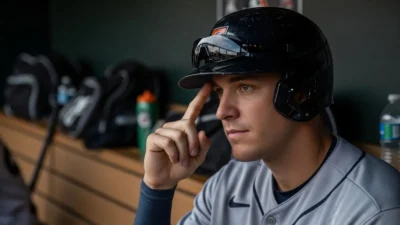
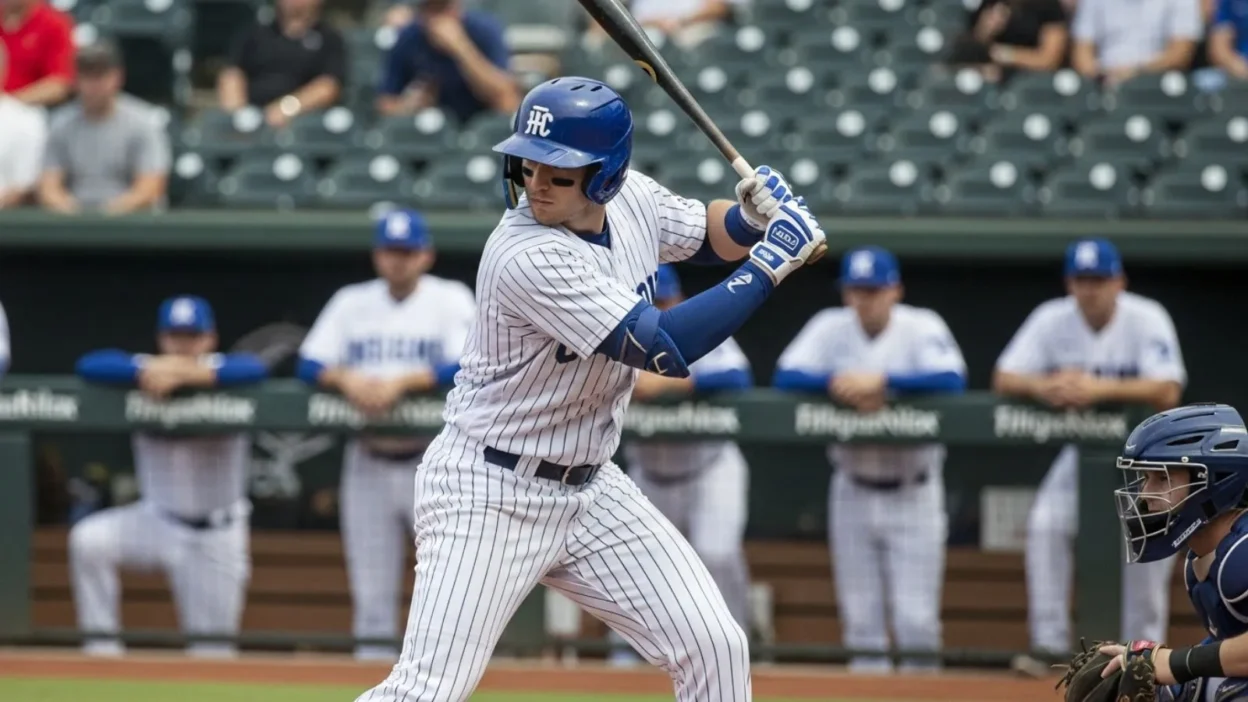
A pinch hitter might sound like a term reserved for baseball fans, but its meaning goes far beyond the diamond. In baseball, a pinch hitter is a player who steps in to bat for another player, usually at a crucial moment in the game.
This strategic move can change the outcome, highlighting skill, timing, and composure under pressure. But the term isn’t just about sports anymore.
In everyday life, a pinch hitter refers to someone who temporarily fills a role, takes on a task, or steps in to solve a problem when the original person is unavailable.
Understanding the pinch hitter meaning allows you to use it accurately in both literal and figurative contexts.
If you’re talking sports, managing a team, or describing a friend who comes to the rescue, knowing what a pinch hitter is helps you appreciate adaptability, quick thinking, and teamwork qualities everyone admires.
Origin of the Term “Pinch Hitter”
The term “pinch hitter” originates from the world of baseball, a sport where every at-bat can significantly impact the outcome of the game. In its earliest usage, a pinch hitter referred to a player who would step in to bat in place of another, usually when the original batter was struggling or when the team needed a strategic advantage. The word “pinch” in this context suggests a critical or tight situation—a moment where every move counts. This emphasizes that the player is stepping in during a crucial “pinch” in the game, often with the pressure of turning the tide.
Historically, pinch hitters became recognized in the late 19th and early 20th centuries as baseball evolved into a more strategic sport. Coaches realized that substituting players in key situations could maximize performance and improve chances of winning. Over time, famous baseball players made a name for themselves as reliable pinch hitters, known for performing under pressure and delivering unexpected results.
The popularity of the term gradually extended beyond baseball. Writers, journalists, and commentators began using “pinch hitter” metaphorically to describe anyone who steps in temporarily to handle a task, fill a role, or solve a problem. Today, the phrase is widely understood both in sports and everyday life, symbolizing adaptability, quick thinking, and reliability when circumstances demand it.
Pinch Hitter Meaning in Baseball
In baseball, a pinch hitter is a substitute batter who comes in to bat for another player, usually at a critical point in the game. Unlike a regular substitution, a pinch hitter’s role is specific: to hit in place of someone else, often when the team needs a strategic advantage, such as driving in runs or facing a particular pitcher. The decision to use a pinch hitter is carefully planned, reflecting both the skill of the incoming player and the situation in the game.
Pinch hitters are often chosen for their ability to perform under pressure. For example, a left-handed hitter might be brought in to face a right-handed pitcher, exploiting a matchup advantage. These moments are usually late in the game, making the role both high-pressure and potentially game-changing. A successful pinch hitter can turn the tide of a match, earning critical hits when the team needs them most.
Famous pinch hitters in baseball history, such as Lenny Harris or Babe Ruth in certain games, are remembered for their clutch performances. In statistics, pinch hitters have a specialized record because they bat fewer times than regular starters, yet their impact can be immense.
Understanding the pinch hitter meaning in baseball helps fans appreciate the strategy behind every lineup change. It’s not just about swapping players—it’s about timing, skill, and seizing the moment when it counts most.
Pinch Hitter Meaning Outside Sports
While the term pinch hitter originated in baseball, it has found a strong place in everyday language as a metaphor for someone who temporarily steps in to handle a task, role, or responsibility. Just as in sports, a figurative pinch hitter is relied upon during crucial moments, often when the regular person is unavailable or unable to perform. This usage highlights qualities such as adaptability, quick thinking, and reliability.
In the workplace, a pinch hitter might be an employee who takes over a project when a colleague is on leave or steps in during an important meeting to ensure everything runs smoothly. For example, if a team member falls ill just before a major presentation, a coworker stepping in to present can be considered a pinch hitter. Similarly, in social situations, a friend who volunteers to help organize an event at the last minute or take over a responsibility can be described the same way.
The metaphorical use of pinch hitter is not limited to work or personal tasks; it can also describe someone filling a temporary role in any group or organization, such as schools, clubs, or volunteer activities. This figurative meaning emphasizes the value of flexibility and the ability to perform under pressure, much like the baseball player it originally described.
By understanding the pinch hitter meaning beyond sports, you can accurately use the term in conversations, writing, and professional settings, conveying both competence and readiness to step up when the situation demands.
Pinch Hitter Examples in Sentences
Using the term pinch hitter in sentences can help illustrate both its literal and figurative meanings. In baseball, a pinch hitter is typically called upon at a critical moment to change the course of a game.
For example:
- “With two outs in the ninth inning, the coach sent in a pinch hitter to try and tie the score.”
- “Lenny Harris was one of the most reliable pinch hitters in Major League Baseball history.”
These sentences show the classic sports usage, highlighting the player’s strategic importance.
Outside sports, pinch hitter can describe someone stepping in temporarily in work, school, or social situations.
Examples include:
- “When Sarah was sick, her colleague acted as a pinch hitter and presented the project to the client.”
- “I had to be a pinch hitter at my friend’s event, managing the registrations when the organizer couldn’t make it.”
- “He became the pinch hitter for the team, filling in for the absent captain and leading the group to success.”
In creative or casual contexts, the term can also be playful:
- “I felt like a pinch hitter during the family game night, stepping in when my brother couldn’t make it.”
- “She was the pinch hitter in our study group, explaining the toughest concepts at the last minute.”
These examples demonstrate how pinch hitter meaning extends from sports into everyday life, emphasizing flexibility, quick thinking, and the ability to handle important responsibilities when needed. Using the term accurately in sentences makes your communication both vivid and precise.
Pinch Hitter vs Substitute Player
While the terms pinch hitter and substitute player are often used interchangeably, there are important differences between them. A pinch hitter is a player who specifically comes in to bat for another player during a game. Their role is usually temporary and highly strategic, focusing on one critical task—delivering a hit at the right moment. Once their turn at bat is over, they may remain in the game if the coach decides, but their initial role was precise and situation-dependent.
A substitute player, on the other hand, can replace another player in any position on the field, not just for batting. Substitutes may fill in for injured players, provide rest to regular starters, or adjust team strategy. Unlike a pinch hitter, a substitute’s presence is not always tied to a single high-pressure moment; it can be for the remainder of the game.
For example:
- “The pinch hitter came in with runners on base and hit a crucial double.”
- “The substitute player replaced the injured shortstop and stayed in for the rest of the match.”
Understanding the distinction is important because it highlights the unique strategic role of a pinch hitter. While both involve stepping in for someone else, a pinch hitter’s role emphasizes timing, pressure, and specialized skill, whereas a substitute player focuses on broader coverage and team continuity.
Pinch Hitter in Other Sports
Although the term pinch hitter originated in baseball, its usage has extended to several other sports, adapting to different rules and strategies. In cricket, for example, a pinch hitter is typically a batsman sent up the order to score quick runs, especially in limited-overs formats like One-Day Internationals or T20 matches. The goal is to increase the team’s run rate early in the innings. Famous cricket pinch hitters, such as Shoaib Malik or Virender Sehwag, have been known to turn matches around by taking calculated risks with aggressive batting.
In softball, the concept is similar to baseball. A pinch hitter is called upon to bat in place of another player, often in clutch situations where a hit could decide the game. Coaches rely on pinch hitters to exploit favorable matchups against specific pitchers, making them essential in tournament play.
Other team sports, like hockey or soccer, may not use the exact term, but the concept exists in forms like temporary substitutions or tactical swaps. For instance, a player brought in to change the pace of the game or cover a critical position under pressure functions as a metaphorical pinch hitter.
Understanding how pinch hitter meaning translates across sports highlights its universal concept: stepping in at a crucial moment to make a difference. Whether in cricket, softball, or metaphorically in other fields, a pinch hitter represents strategy, adaptability, and the ability to perform under pressure—qualities valued in any competitive environment.
How to Use “Pinch Hitter” Correctly in Language
The term pinch hitter can be used both literally, in sports, and figuratively, in everyday language. Understanding the proper context ensures that your usage is accurate and meaningful.
In sports, a pinch hitter specifically refers to a player who bats for another player at a critical moment in baseball or softball.
For example:
- “The coach called in a pinch hitter to face the tough right-handed pitcher.”
In everyday language, the term is metaphorical and refers to someone who steps in temporarily to take over a task, role, or responsibility.
For example:
- “When our team leader fell ill, Maria acted as the pinch hitter and led the presentation flawlessly.”
Tips for correct usage:
- Identify the critical moment: A pinch hitter usually appears when something important is at stake. Avoid using it for routine or non-essential tasks.
- Temporary role: The term implies short-term involvement, not permanent replacement.
- Positive impact: Pinch hitters are typically competent, reliable, and able to perform under pressure.
Common mistakes to avoid:
- Using “pinch hitter” for a long-term replacement or someone who is permanently in charge.
- Confusing it with general substitutes who do not perform in high-pressure situations.
By using the term accurately, you convey both adaptability and strategic thinking, whether you’re discussing sports, work, or daily life. Proper usage makes your language precise, engaging, and relatable.
Pinch Hitter Examples and Scenarios
Understanding the pinch hitter meaning becomes easier when you see it in action, both in sports and everyday life. In baseball, a classic scenario involves a player who comes off the bench to bat in a high-pressure moment.
For example:
- “With the bases loaded and two outs in the final inning, the manager sent in a pinch hitter who hit a game-winning single.”
- “Lenny Harris, known for his pinch hitting skills, often came in late in games to secure crucial runs.”
Outside sports, the term applies to situations where someone temporarily takes over an important task.
For instance:
- “During the company’s annual meeting, John acted as a pinch hitter when the CEO couldn’t attend, delivering the key presentation flawlessly.”
- “In a school project, Emma became the pinch hitter, completing the research section when her teammate was absent.”
In social or creative contexts, the term can be playful:
- “I was the pinch hitter for our board game night, filling in when my cousin couldn’t join.”
- “She acted as a pinch hitter at the community fundraiser, organizing volunteers at the last minute.”
These examples highlight the versatility of the term. A pinch hitter always steps in temporarily, strategically, and under pressure, whether in sports, professional life, or casual situations. Using it in sentences like these conveys reliability, adaptability, and the ability to rise to the occasion—qualities anyone would want on their team.
Why Understanding Pinch Hitter is Useful
Knowing the pinch hitter meaning is valuable for several reasons, both in sports and in everyday life. First, it helps you appreciate strategy and timing. In baseball, a pinch hitter is not just a substitute; they are a player chosen for a specific situation to maximize the team’s chances of success. Understanding this concept allows fans to follow the game more intelligently and recognize the skill and pressure involved in such decisions.
Second, the metaphorical use of the term enhances your vocabulary and communication skills. Calling someone a “pinch hitter” in everyday life conveys a clear and vivid image of a person stepping in temporarily to handle a critical task. This can be applied in workplaces, classrooms, or even social settings. For instance, describing a coworker as a pinch hitter highlights their adaptability and reliability in high-pressure situations, which is a compliment that conveys respect and appreciation.
Third, the term encourages awareness of qualities like flexibility, quick thinking, and readiness. Recognizing pinch hitters in your own life—or even aspiring to be one—underscores the importance of being prepared to step up when circumstances demand.
Finally, understanding the pinch hitter meaning helps you avoid misuse and ensures precise communication. Whether writing, speaking, or analyzing sports commentary, using the term correctly demonstrates knowledge, clarity, and engagement with the topic.
FAQs:
1. What is a pinch hitter in baseball?
A pinch hitter is a player who comes in to bat for another player, usually during a critical moment in the game. Their role is strategic, aiming to improve the team’s chances of scoring or winning.
2. Can “pinch hitter” be used outside sports?
Yes. The term is often used metaphorically to describe someone who temporarily takes over a task, role, or responsibility, especially in high-pressure situations.
3. How is a pinch hitter different from a substitute player?
A pinch hitter is usually brought in for a specific batting situation, while a substitute player can replace another player in any position, often for a longer period. Pinch hitters focus on a critical moment, whereas substitutes cover general gameplay.
4. Are there famous pinch hitters in sports history?
Yes. In baseball, players like Lenny Harris and Babe Ruth are remembered for their clutch pinch-hitting performances. In cricket, players like Shoaib Malik and Virender Sehwag have served as pinch hitters to accelerate scoring.
5. Can “pinch hitter” be used for women?
Absolutely. The term is gender-neutral and applies to anyone stepping in temporarily to handle a task or role.
6. How can I use “pinch hitter” in everyday language?
You can describe anyone who steps in temporarily in professional, academic, or social situations. For example: “Lisa was the pinch hitter for our team during the presentation when our manager couldn’t attend.”
Conclusion
The term pinch hitter is more than just a baseball phrase it represents adaptability, strategy, and stepping up when the situation demands.
In sports, a pinch hitter is a player chosen for a critical moment to make an impact, often changing the outcome of a game.
Beyond the field, the phrase has evolved into everyday language, describing anyone who temporarily fills a role, takes on a task, or helps solve a problem under pressure.
Understanding the pinch hitter meaning allows you to use it accurately in both literal and figurative contexts. It highlights qualities like quick thinking, reliability, and the ability to perform in crucial moments.
If you’re a sports fan, a professional, or someone who enjoys expressive language, knowing how and when to apply the term adds depth to your communication. Being a pinch hitter, in life or language, is all about rising to the occasion with skill and confidence.

Jonathan Bishopson is the punmaster-in-chief at ThinkPun.com, where wordplay meets wit and every phrase gets a clever twist. Known for turning ordinary language into laugh-out-loud lines, Jonathan crafts puns that make readers groan, grin, and think twice. When he’s not busy bending words, he’s probably plotting his next “pun-derful” masterpiece or proving that humor really is the best re-word.