
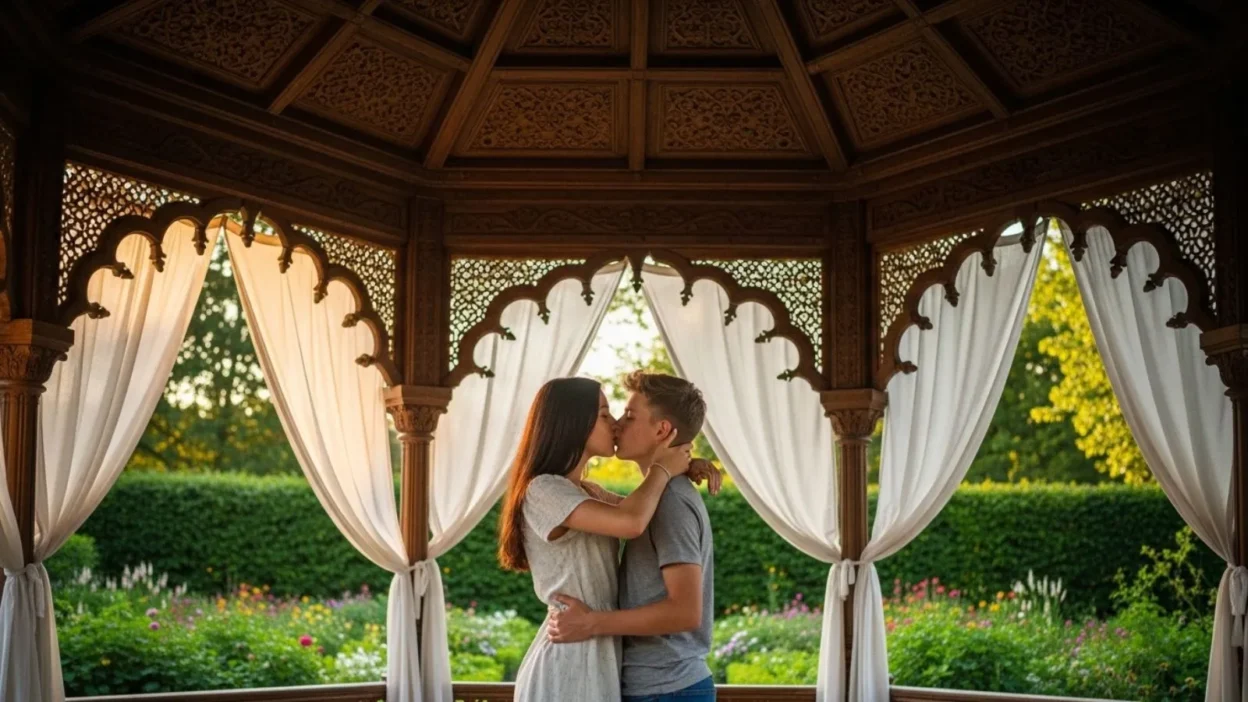
Have you ever walked through a park or garden and noticed a beautiful, open-sided structure with a roof and wondered what it was called?
That structure is often called a pavilion, a versatile architectural element found in gardens, parks, sports venues, and cultural spaces around the world.
Understanding the pavilion meaning goes beyond just identifying its appearance it involves exploring its history, types, functions, and cultural significance.
From providing shelter and a place to relax to serving as a centerpiece in events and exhibitions, pavilions have played an important role in both traditional and modern architecture.
If you’re a student, traveler, or homeowner curious about garden design, learning about pavilions can enhance your appreciation of outdoor spaces. In this article, we will dive deep into the definition of a pavilion, explore its types, uses, and design features, and highlight some of the most famous examples worldwide.
Definition of Pavilion
A pavilion is an open or semi-open structure that is typically used for shelter, relaxation, or as a decorative feature in gardens, parks, or public spaces. The term “pavilion” originates from the Latin word papilio, which means “butterfly,” referring to the structure’s light and airy design, often resembling a butterfly’s wings. Over time, the word evolved to describe a tent-like canopy or a freestanding building that serves multiple purposes.
In architecture, a pavilion is often designed as a standalone structure that can be temporary or permanent. It usually features a roof supported by columns or walls, allowing open access from all sides. Unlike buildings that are fully enclosed, pavilions are meant to create a sense of openness while offering shade and protection from the elements.
Pavilions can vary widely in size and design. A garden pavilion might be a small, decorative shelter for enjoying nature, while a sports pavilion could provide seating, changing rooms, and amenities for players and spectators. Exhibition pavilions are often temporary structures built for fairs, expos, or cultural events, designed to be both functional and visually appealing.
Understanding the pavilion meaning helps distinguish it from similar structures like gazebos, pergolas, or kiosks. While these structures may share features, pavilions are unique in their versatility, architectural prominence, and cultural significance. They are not only functional but also often serve as focal points in outdoor and public spaces.
Types of Pavilions
Pavilions come in a wide variety of forms, each designed for a specific purpose or setting. Understanding the types of pavilions helps in appreciating their versatility and significance in architecture and outdoor spaces.
1. Garden Pavilion:
Garden pavilions are small, decorative structures often placed in parks, private gardens, or public landscapes. They provide a peaceful retreat for relaxation, reading, or enjoying nature. These pavilions often feature intricate designs, open sides, and are harmoniously integrated with the surrounding greenery.
2. Sports Pavilion:
Sports pavilions are functional structures used in stadiums, cricket grounds, or athletic facilities. They provide amenities like seating for spectators, changing rooms for players, and storage for equipment. Sports pavilions combine practicality with architectural style, ensuring comfort and accessibility.
3. Exhibition Pavilion:
Exhibition pavilions are temporary or semi-permanent structures built for fairs, expos, or cultural events. Their designs are often innovative and eye-catching to attract visitors, while providing space for displays, presentations, or activities.
4. Event Pavilion:
Event pavilions serve as venues for weddings, parties, community gatherings, or corporate events. They offer shelter, open spaces, and flexibility in design to accommodate different functions, from formal ceremonies to casual outdoor celebrations.
5. Architectural Pavilion:
Some pavilions are integral parts of larger buildings or complexes, acting as ornamental or functional extensions. These can be found in museums, palaces, or public landmarks, blending aesthetics with purpose.
Uses and Importance of Pavilions
Pavilions are much more than decorative structures; they serve a variety of practical, social, and cultural purposes. Their versatility makes them a common feature in gardens, parks, sports facilities, and public spaces.
Functional Uses:
One of the primary purposes of a pavilion is to provide shelter and shade. Garden pavilions offer a comfortable place to relax while enjoying nature, while sports pavilions provide seating, changing rooms, and equipment storage. Exhibition and event pavilions are designed to accommodate large groups, offering a flexible space for gatherings, presentations, and celebrations.
Aesthetic and Architectural Importance:
Pavilions often serve as focal points in outdoor spaces, adding elegance and charm to landscapes. With thoughtful design, they can enhance the visual appeal of gardens, parks, and city squares. Materials, shapes, and decorative elements make each pavilion unique, reflecting architectural trends or cultural influences.
Cultural and Symbolic Significance:
In many cultures, pavilions carry symbolic meaning. For example, in Chinese gardens, pavilions represent harmony and tranquility, while in European history, they were often associated with royalty and leisure. Pavilions are also featured in festivals, ceremonies, and public events, reinforcing their social and cultural importance.
Modern Adaptations:
Contemporary pavilions often incorporate eco-friendly materials, innovative designs, and multipurpose functionality. They are not just a place to gather—they become a centerpiece, combining utility with artistic expression.
Famous Pavilions Around the World
Pavilions are not only functional structures but also iconic symbols of culture, architecture, and creativity. Around the world, several pavilions have gained fame for their unique design, historical significance, or cultural impact.
1. The Crystal Palace Pavilion, London:
Originally built in 1851 for the Great Exhibition, the Crystal Palace Pavilion was a marvel of Victorian engineering. Made primarily of glass and iron, it showcased innovations in design and construction, inspiring generations of architects and designers.
2. Serpentine Pavilion, London:
The Serpentine Pavilion is an annual architectural commission in Hyde Park, London. Each year, a new architect creates a temporary pavilion, combining creativity, functionality, and modern design. It has become a celebrated platform for innovative architectural experimentation.
3. Chinese Garden Pavilions:
Traditional Chinese pavilions, often found in Suzhou and Beijing gardens, symbolize harmony, tranquility, and connection with nature. These intricately designed wooden structures often feature curved roofs, open sides, and ornamental details that reflect cultural aesthetics.
4. Expo Pavilions (e.g., Dubai Expo 2020):
Modern world expos feature futuristic pavilions that serve as national or thematic showcases. They combine advanced engineering, sustainability, and immersive experiences, making them both functional and visually stunning.
5. Pavilion of Decorative Arts, France:
In European history, decorative pavilions were often part of royal gardens and estates, designed to impress visitors with elegance and artistic flair.
Pavilion vs Similar Structures
While pavilions are versatile and widely recognized, they are often confused with other outdoor structures such as gazebos, pergolas, kiosks, or canopies. Understanding the differences helps clarify the pavilion meaning and its unique role in architecture and landscaping.
1. Pavilion vs Gazebo:
Gazebos are small, freestanding, and often octagonal or circular structures, commonly found in gardens. Unlike pavilions, gazebos are primarily decorative and usually smaller in size. Pavilions, on the other hand, can be larger, multifunctional, and may accommodate events, exhibitions, or public gatherings.
2. Pavilion vs Pergola:
A pergola is an outdoor framework consisting of vertical posts supporting crossbeams, often covered with climbing plants. Pergolas are usually open and provide partial shade, whereas pavilions have a solid roof, offering complete shelter and a more enclosed space for gatherings or events.
3. Pavilion vs Kiosk:
Kiosks are small, often temporary structures designed for selling products or providing information. While kiosks are functional, they are not meant for leisure or architectural appeal like pavilions, which focus on aesthetics, cultural significance, and open social spaces.
4. Pavilion vs Canopy:
A canopy is usually a temporary, fabric-covered structure for shade or protection during events. Canopies are portable and lightweight, whereas pavilions are often permanent, sturdy, and architecturally designed to complement their surroundings.
How to Build or Install a Pavilion
Building or installing a pavilion requires careful planning to ensure it is functional, aesthetically pleasing, and durable. Whether you are designing a garden pavilion, an event space, or a sports facility, understanding the key steps can make the process smooth and successful.
1. Planning and Design:
Start by identifying the purpose of your pavilion. Will it serve as a decorative garden feature, a shelter for events, or a functional sports pavilion? Choose the size, shape, and style that best fits the intended use and the surrounding landscape. Consider accessibility, foot traffic, and views when selecting a location.
2. Materials Selection:
Pavilions can be made from wood, metal, stone, or even modern sustainable materials like bamboo or recycled composites. Each material has advantages: wood adds warmth and traditional charm, metal ensures durability, and stone provides elegance and permanence. Roof materials should provide protection from sun and rain while complementing the design.
3. Construction Considerations:
Decide whether the pavilion will be DIY-built or professionally installed. A DIY project may suit smaller garden pavilions, while larger structures like sports or event pavilions require professional expertise for safety and durability. Ensure proper foundations, secure anchoring, and weather-resistant finishes.
4. Maintenance:
Regular maintenance prolongs the life of a pavilion. Wooden pavilions may need staining or sealing, while metal structures require rust prevention. Keep the surrounding area clean and ensure proper drainage to avoid water damage.
Symbolism and Cultural Significance of Pavilions
Pavilions are not merely functional structures; they carry rich cultural and symbolic meaning across different societies. Their design, placement, and use often reflect historical traditions, social practices, and artistic values.
In Chinese and East Asian gardens, pavilions symbolize harmony with nature, peace, and contemplation. They are carefully positioned near water, rocks, or plants to create a balanced landscape, offering a serene space for meditation or leisure. The curved roofs and ornamental designs also represent elegance and refinement, making the pavilion a key feature in classical garden architecture.
In European history, pavilions were often associated with royalty and leisure. Aristocrats used garden pavilions as private retreats, venues for entertainment, or decorative focal points in expansive estates. These structures showcased wealth, taste, and architectural sophistication, blending function with artistic expression.
Modern pavilions also hold social and communal significance. Event and exhibition pavilions bring people together for festivals, cultural celebrations, or public gatherings, fostering a sense of community. In addition, pavilions at expos and fairs often serve as national or thematic symbols, representing creativity, innovation, and identity.
Overall, the cultural and symbolic importance of pavilions lies in their ability to combine utility, beauty, and meaning. Whether in historical gardens, royal estates, or contemporary public spaces, pavilions continue to inspire admiration and play a vital role in architecture, culture, and society.
Frequently Asked Questions (FAQ) About Pavilions
1. What is the difference between a pavilion and a gazebo?
While both are outdoor structures, a gazebo is usually smaller, decorative, and often circular or octagonal. A pavilion is larger, multifunctional, and can host events, exhibitions, or sports activities. Pavilions often have a solid roof and open sides, offering both shelter and space for gatherings.
2. Where can I see famous pavilions?
Famous pavilions can be found worldwide. Examples include the Crystal Palace Pavilion in London, Serpentine Pavilion in Hyde Park, and traditional Chinese garden pavilions in Suzhou. Many world expos also feature innovative temporary pavilions representing countries or themes.
3. Can I build a pavilion in my garden?
Yes, garden pavilions are popular for private outdoor spaces. When planning, consider the size, style, materials, and location. You can either build a small DIY structure or hire professionals for larger, more permanent pavilions. Ensure proper maintenance to keep it durable and aesthetically pleasing.
4. What are the main types of pavilions?
Pavilions include garden pavilions for relaxation, sports pavilions for events and amenities, exhibition pavilions for fairs or cultural displays, event pavilions for weddings or gatherings, and architectural pavilions that serve as ornamental parts of buildings.
5. Why are pavilions culturally significant?
Pavilions are more than structures; they symbolize harmony, leisure, and social connection. In different cultures, they represent artistic expression, architectural elegance, and communal spaces for festivals or ceremonies, making them both functional and meaningful.
Conclusion
A pavilion is much more than a simple structure; it embodies functionality, beauty, and cultural significance.
From the serene garden pavilions of East Asia to the grand exhibition and sports pavilions of Europe and modern world expos, these structures have evolved to serve diverse purposes while remaining architectural focal points.
Understanding the pavilion meaning allows us to appreciate their versatility, whether as a shelter, a decorative element, or a space for social and cultural gatherings.
Pavilions are unique in combining practical use with aesthetic appeal, making them enduring features in public and private spaces alike.
By exploring their types, history, and symbolism, we gain insight into how these structures enhance landscapes, connect communities, and reflect cultural values.
Next time you visit a park, garden, or event, take a closer look you might discover that the pavilion is not just a structure but a living piece of architectural and cultural heritage.

Jonathan Bishopson is the punmaster-in-chief at ThinkPun.com, where wordplay meets wit and every phrase gets a clever twist. Known for turning ordinary language into laugh-out-loud lines, Jonathan crafts puns that make readers groan, grin, and think twice. When he’s not busy bending words, he’s probably plotting his next “pun-derful” masterpiece or proving that humor really is the best re-word.