
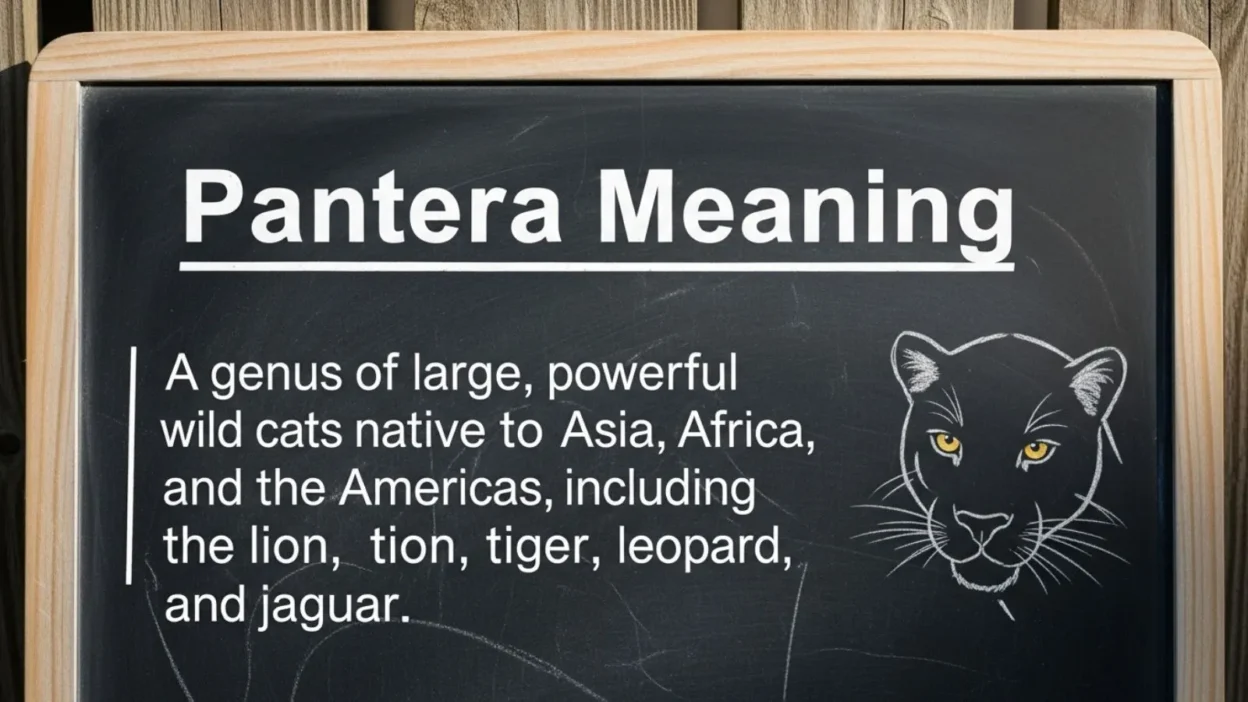
When you hear the word “Pantera”, it immediately sparks curiosity. Is it a reference to the legendary heavy metal band Pantera, or does it simply mean panther in Italian and Spanish?
Understanding the Pantera meaning goes beyond translation it’s about exploring symbolism, culture, and history. From representing strength, agility, and mystery to embodying the rebellious spirit of music, Pantera carries layers of significance that resonate across generations.
In 2026, people are increasingly drawn to its cultural and musical connections, making it a term that’s both intriguing and relevant.
If you’re a fan of the band, a language enthusiast, or someone fascinated by symbolism, learning the true meaning of Pantera can offer fresh insights into music, art, and everyday expressions.
Let’s dive into its origins, symbolism, and modern interpretations to uncover the story behind this powerful word.
What Does “Pantera” Mean?
At its core, the word “Pantera” literally translates to “panther” in Italian, Spanish, and Portuguese. A panther is a symbol of strength, agility, and stealth, often associated with grace and mystery. But the meaning of Pantera goes far beyond its literal translation. Across cultures, the panther is seen as a powerful animal, often embodying courage, leadership, and independence. In mythology and folklore, panthers were sometimes considered protectors or guides, highlighting a connection between humans and nature’s most elusive predators.
In modern usage, Pantera symbolism extends into music, fashion, and art. For example, the heavy metal band Pantera adopted the name to represent raw power, rebellion, and intensity—traits that define their music and stage presence. Fans often associate the name with dominance, resilience, and a fearless attitude. Beyond the band, writers, artists, and creators use Pantera as a metaphor for strength and independence, weaving it into literature, poetry, and visual arts.
Understanding Pantera meaning also requires recognizing its linguistic roots. Derived from the Latin word “panthera,” it carries centuries of cultural and symbolic weight, which makes it a term rich in interpretation. Whether in the context of a band, a tattoo, or symbolic imagery, Pantera resonates with those who admire power, mystery, and elegance. By exploring its meanings, we uncover why this word continues to captivate people worldwide.
The Origins of the Word “Pantera”
The word “Pantera” has deep historical and linguistic roots, tracing back to the Latin term “panthera”, which itself originated from the Greek “panthēr”. In ancient times, the panther was more than just an animal—it was a symbol of power, elegance, and mystique. Mythologies from Greece and Rome often portrayed panthers as creatures connected to gods, nature, and protection. For instance, the panther was associated with Dionysus, the Greek god of wine and celebration, symbolizing both strength and vitality.
Beyond mythology, the etymology of Pantera reveals its evolution across languages. In Italian, Spanish, and Portuguese, Pantera directly translates to “panther,” maintaining its symbolic associations of stealth, power, and grace. These linguistic connections highlight the continuity of its cultural significance across centuries.
Historically, panthers were also used as symbols in heraldry and art. Medieval European coats of arms sometimes featured the panther to represent courage, vigilance, and nobility. In Asian cultures, large cats such as leopards and black panthers often symbolized protection, mystery, and spiritual strength.
Understanding the origins of Pantera gives context to its modern uses. From literary metaphors to band names, and even tattoos, the word carries a weight that combines both historical richness and contemporary appeal. Knowing where Pantera comes from allows us to appreciate why it has remained a powerful and evocative term, resonating in language, culture, and art for generations.
Pantera in Popular Culture
The word “Pantera” extends far beyond language and history—it has made a significant mark in popular culture, appearing in music, movies, literature, and even fashion. One of the most well-known references is the legendary heavy metal band Pantera, whose name evokes raw energy, rebellion, and power. For fans, Pantera symbolism is more than just a band name; it represents a lifestyle, a fearless attitude, and an unapologetic embrace of strength and individuality.
Outside of music, Pantera appears frequently in movies and television. From animated series to action films, the panther often symbolizes stealth, courage, and mystique. These portrayals reinforce the qualities historically associated with the word—agility, power, and an air of mystery. Authors and artists also use Pantera meaning metaphorically, incorporating the term in literature, poetry, and visual art to convey intensity, elegance, or a commanding presence.
In modern media, the word has even found its way into social platforms, memes, and tattoos. People use Pantera as a symbol of strength, resilience, and personal empowerment. It resonates with audiences who are drawn to ideas of independence, boldness, and mystery. By appearing across multiple forms of culture, Pantera has cemented its place as a term that blends historical significance with contemporary relevance, making it both timeless and highly engaging for audiences today.
Pantera as a Band Name
The name “Pantera” gained worldwide recognition largely due to the legendary heavy metal band Pantera. Formed in the 1980s in Texas, the band chose the name Pantera to convey power, aggression, and raw energy—qualities that perfectly matched their music style. Unlike typical band names, Pantera meaning here was not just a word; it became a symbol of identity, rebellion, and a fearless approach to life and music.
For fans, the band Pantera represents more than just heavy riffs and iconic albums. The name itself embodies a persona: strong, untamed, and unapologetic. Songs like Walk, Cowboys from Hell, and Domination reinforce the band’s intense image, showing how the word Pantera has become synonymous with musical dominance and individuality. Even the band’s imagery—album covers, logos, and stage performances—reflects the qualities of a panther: sleek, aggressive, and commanding attention.
The significance of Pantera as a band name also extends to its cultural influence. It inspired countless musicians, fans, and creative projects, helping to define the groove metal genre. By adopting a name with deep symbolism, Pantera not only captured the essence of their sound but also left a lasting impact on popular culture. Today, the word evokes both the literal meaning of “panther” and the legendary legacy of a band that redefined heavy metal.
Symbolism of Pantera in Music
In the world of music, Pantera has become more than just a band name—it’s a symbol of power, rebellion, and individuality. The term embodies the aggressive, fearless, and commanding presence that defines the band Pantera, and by extension, it resonates with their fans worldwide. The word Pantera meaning in music reflects not only the literal panther’s strength and agility but also the attitude and intensity that heavy metal enthusiasts admire.
The band’s songs, lyrics, and album art are full of Pantera symbolism. Tracks like Walk emphasize self-confidence and defiance, while Cowboys from Hell showcases relentless power and aggression. This symbolic connection transforms the word Pantera into a metaphor for courage, resilience, and rebellion. Fans often adopt this symbolism in personal ways—through tattoos, merchandise, or social media references—aligning themselves with the energy and ethos the word conveys.
Even beyond the band, Pantera meaning in music extends to other genres where the term symbolizes intensity, elegance, and a commanding presence. Artists and creators frequently use the panther as a metaphor for stealth, precision, and dominance, highlighting why Pantera continues to captivate audiences. Its presence in musical culture reinforces the idea that words can carry layers of meaning—historical, symbolic, and emotional—making Pantera a timeless emblem of strength and artistic expression.
Pantera in Fashion and Branding
Beyond music and language, Pantera has made a strong mark in fashion and branding, symbolizing power, elegance, and boldness. The term evokes the sleek, stealthy qualities of a panther, which designers and brands often incorporate to convey confidence and sophistication. From clothing lines to accessories, Pantera symbolism is used to create products that feel strong, dynamic, and attention-grabbing.
In music merchandise, the band Pantera set a standard. T-shirts, jackets, and other apparel featuring the Pantera name or logo aren’t just fashion statements—they represent a fan’s connection to the band’s power, rebellion, and identity. This makes Pantera meaning in fashion deeply personal for fans, who often wear it as a symbol of individuality and strength.
Outside music, the word Pantera appears in lifestyle brands and marketing campaigns, emphasizing qualities like agility, elegance, and dominance. Logos featuring panthers, sleek designs, or the word itself tap into its cultural symbolism to attract audiences who want to project confidence and boldness. Even streetwear and sports brands have embraced panther-inspired aesthetics, showing how Pantera translates seamlessly from language and music into visual culture.
Overall, the use of Pantera in fashion and branding demonstrates its versatility and enduring appeal. Whether it’s on merchandise, logos, or stylish apparel, Pantera conveys power, resilience, and style—making it a symbol that resonates far beyond its literal meaning and musical roots.
Why People Are Fascinated by the Term Pantera
The fascination with Pantera goes far beyond its literal meaning or its association with the band Pantera. At its core, the word taps into a universal human attraction to strength, mystery, and power. Just as a panther moves with grace and stealth, the term Pantera meaning evokes qualities that people admire and aspire to—confidence, independence, and dominance.
Psychologically, humans are drawn to symbols that reflect traits we value. Panthers have long been regarded as powerful, enigmatic creatures in mythology, literature, and art. The word Pantera carries this symbolism forward, connecting modern audiences to centuries of cultural significance. Its appeal spans fans of music, literature enthusiasts, artists, and even fashion followers, creating a shared sense of identity and admiration.
For music fans, Pantera represents rebellion, individuality, and resilience. For creatives, it symbolizes elegance and precision. In pop culture, it appears in tattoos, art, and social media, reinforcing its status as a timeless emblem of strength and allure. Even language enthusiasts appreciate its beauty and simplicity, noting how a single word can carry so much meaning across contexts.
Ultimately, people are fascinated by Pantera because it combines literal, cultural, and symbolic power in one word. Whether in music, fashion, or personal expression, the term resonates deeply, offering a way to connect with ideas of courage, independence, and mystery that remain relevant in 2026.
Modern Interpretations and Trends
In 2026, the word Pantera continues to evolve, finding new relevance in modern culture, social media, and creative expression. While historically tied to its literal meaning as “panther” and its symbolic power, today Pantera meaning extends into contemporary trends, influencing art, fashion, and online communities. Social media platforms showcase Pantera-inspired memes, captions, and posts, often highlighting strength, confidence, or rebelliousness in a playful or artistic way.
The band Pantera remains a reference point, but the term itself has expanded beyond music. In tattoo culture, Pantera is a popular design, symbolizing independence, resilience, and personal power. Digital artists incorporate panther imagery or the word Pantera into illustrations, animations, and graphics, blending tradition with modern aesthetics.
Fashion and lifestyle brands also reflect contemporary interpretations of Pantera. Streetwear, sneakers, and athletic apparel often use panther motifs or the word itself to communicate sleekness, agility, and boldness. This demonstrates how the term maintains its original associations of strength and elegance while appealing to younger, trend-conscious audiences.
Even in pop culture, Pantera has become a metaphor for assertiveness, mystery, and individuality. Its adaptability makes it timeless—able to bridge classical symbolism with modern creativity. By understanding these modern interpretations and trends, we can see why Pantera continues to captivate audiences in multiple contexts, proving that this powerful word is as relevant in 2026 as it was centuries ago.
How to Use the Word Pantera in Everyday Life
The word Pantera is not just symbolic or artistic—it can also be applied in everyday life to convey strength, elegance, and individuality. Writers, for example, often use Pantera meaning as a metaphor in literature, poetry, or storytelling. By referencing the panther’s qualities—stealth, power, and grace—authors can create vivid imagery or emphasize a character’s strength and independence.
In personal expression, Pantera appears in tattoos, social media handles, or even nicknames. People adopt it as a symbol of resilience, confidence, and courage, aligning themselves with the qualities historically associated with the word. This shows how Pantera symbolism extends beyond literal translation, providing a personal statement that resonates in multiple contexts.
For branding and marketing, the word Pantera offers a unique opportunity to stand out. Products, services, or creative projects that incorporate Pantera in their name or logo immediately evoke power, elegance, and sleekness. It’s particularly effective for fashion lines, tech gadgets, or athletic brands seeking a bold and memorable identity.
Even in casual conversation, using Pantera creatively can add flair and depth. For example, describing a team, project, or individual as “Pantera-like” instantly conveys agility, determination, and intensity. By understanding and applying the meaning of Pantera, you can harness its symbolic power across writing, branding, art, and personal expression—making it a versatile and timeless term in 2026 culture.
Frequently Asked Questions About Pantera Meaning
1. What does Pantera mean?
The word Pantera literally translates to “panther” in Italian, Spanish, and Portuguese. Symbolically, it represents strength, agility, stealth, and mystery, making it a powerful term across music, literature, and culture.
2. Why is Pantera famous?
Most people recognize Pantera because of the iconic heavy metal band Pantera. The band adopted the name to represent raw power, aggression, and rebellion—qualities that define their music and influence.
3. What is the origin of the word Pantera?
Pantera comes from the Latin word “panthera,” which itself originated from the Greek “panthēr.” Historically, it has been used in mythology, heraldry, and art to symbolize courage, elegance, and strength.
4. What does Pantera symbolize in culture?
Beyond music, Pantera symbolism represents independence, confidence, and power. It appears in tattoos, literature, movies, and fashion, resonating with people who admire mystery and resilience.
5. How can I use Pantera in everyday life?
The term can be used creatively in writing, branding, art, and personal expression. Whether describing a person, a project, or a product, Pantera conveys strength, elegance, and boldness, making it versatile and memorable.
6. Is Pantera only associated with the band?
No. While the band popularized the word, Pantera has broader meanings, including its literal translation, symbolic use, and cultural significance across centuries and modern trends.
Conclusion
The word Pantera is much more than a simple translation it’s a symbol of strength, mystery, and elegance that spans language, culture, and music.
From its ancient roots in Greek and Latin mythology to its modern use in art, fashion, and social media, Pantera meaning continues to captivate audiences worldwide.
The legendary band Pantera brought global recognition to the term, transforming it into an emblem of rebellion, power, and individuality. Beyond music, the symbolism of Pantera appears in tattoos, branding, literature, and everyday expression, making it a versatile and timeless term.
Understanding its history, cultural significance, and modern interpretations allows us to appreciate why the word resonates across generations.
If used in creative writing, fashion, or personal identity, Pantera remains a powerful, evocative word that embodies confidence, resilience, and boldness in 2026 and beyond.