
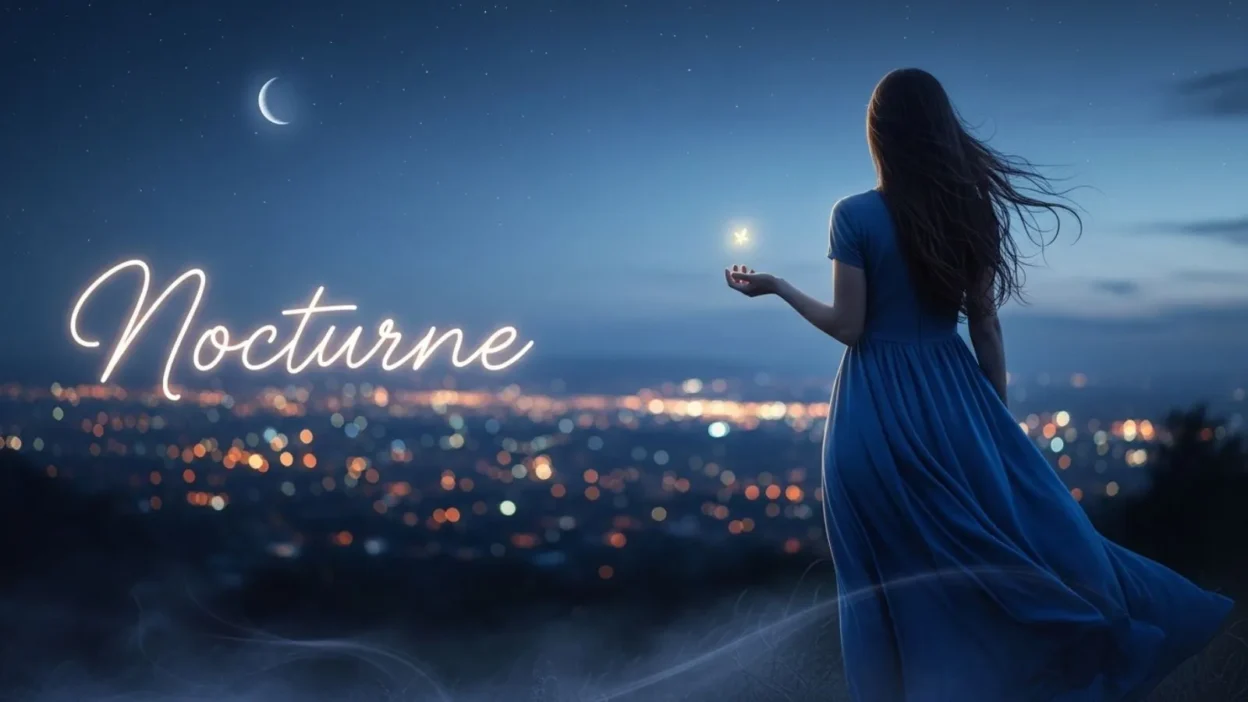
The word “Nocturne” evokes a sense of calm, mystery, and the beauty of night. But what does it really mean? At its core, a nocturne is a piece of art, music, or literature inspired by the night, designed to capture its mood, quiet elegance, and contemplative atmosphere.
Most people are familiar with musical nocturnes, especially those composed by legends like Frédéric Chopin, where soft piano melodies create a soothing and reflective experience.
However, nocturnes are not limited to music they appear in paintings, poetry, and literature, often portraying night scenes, dreams, or introspective emotions.
Understanding the meaning of nocturne allows you to appreciate these works on a deeper level, whether you are a music student, an art enthusiast, or a casual reader intrigued by the charm of night-inspired creativity.
In this guide, we’ll explore nocturnes across music, art, and literature, their history, and why they continue to captivate audiences today.
What is a Nocturne? (Definition and General Meaning)
A nocturne is a creative work—most commonly in music—that is inspired by the night. The term originates from the Latin word nocturnus, meaning “of the night,” reflecting its connection to nighttime moods, calmness, and reflection. While many people associate nocturnes primarily with music, the concept extends to other artistic forms, including painting and literature.
In music, a nocturne is typically a soft, melodic piece, often performed on the piano, designed to evoke the quiet, introspective atmosphere of night. Composers like Frédéric Chopin and John Field popularized nocturnes, creating pieces that balance simplicity and emotional depth. Listeners often find these musical nocturnes soothing, contemplative, and romantic, making them timeless favorites in classical music.
Outside of music, nocturnes also appear in visual art and literature. In painting, nocturnes capture night scenes, using shadows, muted colors, and gentle contrasts to create a mood of mystery or calm. Artists like James McNeill Whistler made this style famous with paintings that depict twilight or night landscapes. In literature, nocturnes are short poetic or prose works that reflect the quiet, introspective quality of night, often exploring dreams, solitude, or emotions in subtle, evocative ways.
Understanding the meaning of nocturne helps us appreciate its role in different creative fields. Whether in music, art, or literature, a nocturne is more than just a piece of work—it’s a window into the beauty, stillness, and emotion that night inspires.
Nocturne in Music The Night in Melody
When most people hear the word nocturne, they immediately think of music. In the musical world, a nocturne is a lyrical, expressive piece usually written for solo piano. Its purpose is to capture the quiet, reflective, and often romantic mood of the night. The structure of musical nocturnes typically features a flowing melody over a gentle accompaniment, creating a sense of calm and introspection.
The history of musical nocturnes dates back to the late 18th and early 19th centuries. John Field, an Irish composer, is credited with creating the first musical nocturnes, setting the foundation for future composers. However, it was Frédéric Chopin who popularized the form and brought it to international acclaim. Chopin’s nocturnes, such as Nocturne Op. 9, No. 2, are celebrated for their emotional depth, delicate melodies, and innovative use of harmony. Other notable composers include Gabriel Fauré and Alexander Scriabin, each adding unique interpretations to the nocturne form.
Musical nocturnes are more than technical compositions—they are an experience. Listeners often feel a sense of intimacy, solitude, and contemplation when hearing these pieces. The quiet elegance of a nocturne allows musicians to convey subtle emotions, while audiences are transported into the serene, reflective world of night.
Today, musical nocturnes remain a cornerstone of classical piano repertoire. They continue to inspire performers and listeners alike, illustrating why understanding the meaning of nocturne in music is essential for anyone exploring classical or night-inspired compositions.
Nocturne in Art Capturing the Night on Canvas
While nocturnes are widely known in music, they also hold a prominent place in visual art. In painting, a nocturne refers to a work that depicts the night, twilight, or evening scenes, often emphasizing mood, atmosphere, and subtle light. The goal is not just to show a landscape or cityscape but to evoke the emotions and quiet beauty associated with nighttime.
The term “nocturne” in art became popular in the 19th century, largely due to James McNeill Whistler, an American-born painter. Whistler’s nocturnes, such as Nocturne in Black and Gold or Nocturne: Blue and Silver – Chelsea, showcase muted colors, soft contours, and the play of light against dark backgrounds. These paintings focus on mood rather than strict realism, capturing the essence of night through impressionistic and atmospheric techniques.
Other artists, especially within the Impressionist movement, also embraced nocturnes. By using subdued palettes and subtle contrasts, they were able to portray moonlit streets, quiet harbors, or peaceful landscapes, inviting viewers to feel the calm and mystery of nighttime.
The appeal of nocturne paintings lies in their ability to communicate emotion through color, shadow, and composition. Like musical nocturnes, they create a reflective experience, allowing viewers to immerse themselves in the serenity and mystery of night. Understanding nocturnes in art enhances our appreciation of how night has inspired creativity across multiple mediums, making the quiet moments of darkness an endless source of artistic inspiration.
Nocturne in Literature Poetry and Writing Inspired by Night
Nocturnes are not only found in music and art—they also hold a unique place in literature. In literary terms, a nocturne refers to a work—often a poem, short story, or reflective piece—that draws inspiration from the night. The focus is on mood, introspection, and the emotions evoked by darkness, quiet, and solitude. Night becomes more than a setting; it transforms into a symbol of mystery, contemplation, and sometimes romance.
Writers use nocturnes to explore themes like solitude, dreams, melancholy, or reflection. The quiet of night allows authors to delve into human emotions, highlight subtle experiences, or create vivid imagery of nocturnal landscapes. Poets often use rhythmic patterns, gentle diction, and metaphorical language to mimic the softness and calm of night. For instance, nocturnal imagery in poems might describe moonlight dancing on water, the hush of a sleeping city, or the whisper of night winds through trees.
Historically, many literary nocturnes were inspired by Romanticism, a movement that emphasized emotional expression and nature’s beauty. However, modern writers continue to create nocturnal works, exploring urban nights, personal introspection, and even existential themes.
Understanding the meaning of nocturne in literature allows readers to appreciate the delicate connection between night and creativity. Just like in music and art, literary nocturnes invite the audience to pause, reflect, and experience the quiet, mysterious, and contemplative essence of night.
Etymology The Meaning Behind the Word “Nocturne”
The word “nocturne” has its roots in the Latin term nocturnus, which literally means “of the night.” This origin perfectly reflects the essence of a nocturne: a work inspired by or connected to the nighttime, often evoking quiet, reflection, and moodiness. Over the centuries, the term evolved from a simple descriptor of night to a formal title for specific works in music, art, and literature.
In music, the term first gained prominence in the late 18th and early 19th centuries. Irish composer John Field is credited with creating the first pieces officially called nocturnes, characterized by lyrical melodies and gentle harmonies designed to capture the stillness of night. Later, Frédéric Chopin elevated the nocturne to an art form, infusing his compositions with rich emotion, subtle dynamics, and romantic flair.
Beyond music, the term entered the visual arts in the 19th century, particularly through painters like James McNeill Whistler, who used “nocturne” to describe paintings of night scenes with a focus on atmosphere rather than strict realism. In literature, writers adopted the concept to describe reflective or poetic works centered on nighttime themes.
Understanding the etymology of nocturne deepens our appreciation for its use across creative fields. The word itself carries not just a definition, but a mood, a cultural history, and a timeless association with night. Every time we encounter a nocturne—whether in music, painting, or writing—we are experiencing a piece of this rich linguistic and artistic heritage, echoing the beauty and mystery of the night.
Famous Nocturnes Across Different Mediums
Nocturnes have inspired countless artists across music, painting, and literature, creating iconic works that continue to captivate audiences today. In music, the most famous nocturnes were composed by Frédéric Chopin. Pieces like Nocturne Op. 9, No. 2 and Nocturne Op. 27, No. 2 showcase delicate melodies, flowing harmonies, and a deep emotional resonance that captures the serene and reflective qualities of night. Irish composer John Field, often called the “father of the nocturne,” created earlier works that influenced Chopin and other Romantic composers. Additionally, Gabriel Fauré contributed beautifully lyrical nocturnes that expanded the expressive possibilities of the form.
In visual art, nocturnes are best exemplified by James McNeill Whistler, whose paintings such as Nocturne in Black and Gold and Nocturne: Blue and Silver – Chelsea depict night scenes with subtle light and muted colors, emphasizing atmosphere over realism. These works evoke mystery, calmness, and emotional depth, inviting viewers to experience the quiet beauty of nighttime landscapes.
Literature also features memorable nocturnes. Poets and writers have long used nocturnes to convey introspection, dreams, and melancholy. Short reflective poems, night-inspired prose, and meditative writings serve as literary nocturnes, allowing readers to immerse themselves in the moods of night. Writers from the Romantic era to contemporary authors have embraced nocturnal themes to explore solitude, imagination, and emotion.
Across all mediums, nocturnes continue to be celebrated for their ability to convey the subtle, contemplative, and emotive qualities of night. From music and art to literature, these works remain timeless expressions of human creativity inspired by the night.
Why Nocturnes Remain Popular Today
Nocturnes continue to captivate audiences centuries after their creation, and their popularity remains strong across music, art, and literature. One key reason is their emotional depth. In music, nocturnes like Chopin’s compositions offer listeners a sense of intimacy, reflection, and calm that resonates across generations. The soft, lyrical melodies allow both performers and audiences to connect deeply with the feelings of night—solitude, romance, and introspection.
In visual art, nocturnes maintain appeal because they capture the atmosphere of nighttime in a way that feels timeless and universal. Paintings by artists such as James McNeill Whistler evoke moods that are both mysterious and calming, making viewers pause and immerse themselves in the scene. The subtle play of light and shadow in nocturne paintings creates a visual poetry that still inspires contemporary artists and art lovers.
Even in literature, nocturnes remain relevant. Writers continue to explore night-inspired themes, reflecting on solitude, dreams, and emotional introspection. Modern poetry, short stories, and reflective essays often echo the classical themes of nocturnes, demonstrating their enduring cultural significance.
Additionally, the concept of nocturne transcends traditional art forms. In modern media, from film scores to photography, the idea of night as a source of inspiration continues to influence creators worldwide.
Ultimately, the popularity of nocturnes lies in their timeless ability to evoke mood, emotion, and reflection, connecting human experiences to the beauty and mystery of the night. This universality ensures that nocturnes remain cherished, inspiring, and relevant even today.
How to Experience a Nocturne Tips for Enthusiasts
Experiencing a nocturne is not just about listening or viewing; it’s about immersing yourself in the calm, reflective atmosphere of night that these works evoke. Whether in music, art, or literature, there are ways to fully appreciate the beauty of nocturnes.
For music enthusiasts, start by listening to classic piano nocturnes, such as Chopin’s Nocturne Op. 9, No. 2 or Fauré’s Nocturne Op. 33. Find a quiet space, dim the lights, and allow the soft melodies to guide your thoughts. Pay attention to the subtle shifts in harmony, tempo, and dynamics—these are what make musical nocturnes emotionally compelling.
For those who enjoy visual art, visit galleries or online collections featuring nocturne paintings. Works by James McNeill Whistler or other night-scene artists are best appreciated in low-light settings, allowing the muted colors and shadow contrasts to create their full effect. Notice how the subtle interplay of light and darkness evokes moods of calm, mystery, or introspection.
Literature lovers can experience nocturnes by reading poems, essays, or short reflective prose inspired by night. Find works that explore solitude, dreams, or night imagery, and take time to reflect on the themes. Journaling your thoughts or reading aloud can deepen the experience.
Finally, consider incorporating nocturnes into your own creative life. Play a nocturne while painting, writing, or meditating, and allow the serene qualities of night to inspire your own work. By engaging actively with nocturnes, you can connect with the timeless magic of night in a deeply personal way.
Frequently Asked Questions About Nocturne
1. What is a nocturne in music?
A nocturne in music is a lyrical, expressive piece, usually written for piano, designed to evoke the mood of night. Composers like Frédéric Chopin and John Field created nocturnes with flowing melodies and gentle harmonies, allowing listeners to experience calm, reflection, and emotion.
2. Who composed the first nocturne?
The Irish composer John Field is credited with creating the first musical nocturnes in the early 19th century. Later, Chopin elevated the form, making it widely popular and emotionally expressive.
3. What is a nocturne painting?
A nocturne painting is a work of art depicting night scenes or twilight. These paintings focus on mood and atmosphere rather than strict realism. James McNeill Whistler is a famous artist known for his nocturnes, which often feature muted colors and subtle contrasts to capture the serenity of night.
4. What is a nocturne in literature?
In literature, a nocturne refers to poetry or prose inspired by night. These works explore themes of solitude, reflection, dreams, or the emotional qualities of nighttime, creating a quiet, contemplative mood.
5. Why are nocturnes popular today?
Nocturnes remain popular because they evoke timeless emotions and moods. From music to art and literature, they allow audiences to experience the calm, mystery, and beauty of night, making them both soothing and inspiring.
6. How can I experience a nocturne?
To experience a nocturne, immerse yourself in music, art, or literature inspired by night. Find a quiet space, pay attention to details, and reflect on the mood. Listening, viewing, or reading nocturnes can create a deeply personal and calming experience.
Conclusion
The term nocturne holds a unique and timeless place in music, art, and literature. If through a soft piano melody, a moody night painting, or a reflective poem, nocturnes capture the essence of night its calm, mystery, and introspective beauty.
In music, composers like Chopin and John Field brought the nocturne to life with lyrical pieces that evoke emotion and serenity. In art, painters such as James McNeill Whistler used muted colors, subtle contrasts, and atmospheric lighting to depict night scenes that stir contemplation.
Literary nocturnes, on the other hand, explore the quiet and reflective qualities of night, often delving into themes of solitude, dreams, and personal reflection.
Understanding the meaning of nocturne enriches our appreciation of these works.
It allows us to see beyond technique and form, recognizing the emotion, mood, and imagination that night inspires.
Today, nocturnes continue to influence artists, writers, and musicians, reminding us of the timeless allure of night.
For anyone curious about creativity inspired by the evening hours, exploring nocturnes offers a window into the beauty, emotion, and mystery of night, making these works as relevant and captivating now as they were centuries ago.