
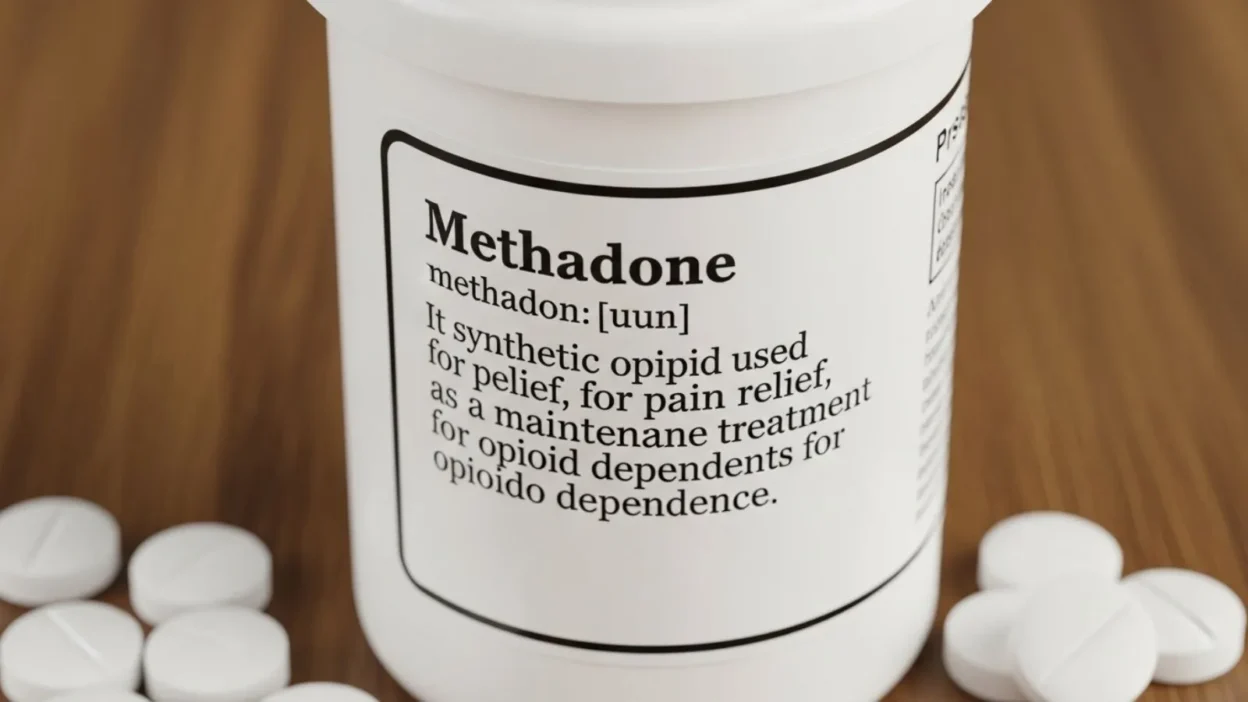
Methadone is a term you’ve probably heard in discussions about pain management or opioid addiction, but what does it actually mean?
Simply put, methadone is a synthetic opioid used both to manage chronic pain and as a key part of medication-assisted treatment (MAT) for people struggling with opioid addiction.
Unlike other opioids, methadone works slowly in the body, reducing cravings and withdrawal symptoms while lowering the risk of dangerous highs and lows.
Understanding the meaning and uses of methadone is crucial, not just for patients, but also for families, caregivers, and anyone interested in addiction treatment or public health.
While methadone can be life-saving when used correctly, it also carries risks if misused, including dependency and side effects. In this article, we’ll explore methadone’s definition, benefits, potential risks, and role in modern medical treatment, helping you gain a clear understanding of this important medication.
What is Methadone? A Simple Explanation
Developed in the 1940s, methadone was initially created as a pain-relieving medication. Today, it is widely known for its role in helping individuals overcome opioid addiction through medication-assisted treatment (MAT).
Unlike short-acting opioids such as heroin or oxycodone, methadone is long-acting. This means it stays in the body longer, providing stable relief from pain or withdrawal symptoms without producing the intense highs associated with other opioids. By reducing cravings and minimizing withdrawal discomfort, methadone allows patients to focus on recovery and regain stability in their daily lives.
Methadone comes in several forms, including tablets, oral solutions, and injectable solutions, which are prescribed depending on the patient’s needs. Its administration is strictly regulated, and it should always be taken under the supervision of a licensed healthcare professional.
Understanding methadone’s meaning also involves recognizing its dual role: it is both a legitimate medication for chronic pain and a life-saving treatment for opioid use disorder. While it can be highly effective, methadone is not without risks, such as dependency, overdose, and side effects. Educating patients and caregivers about methadone ensures its safe and responsible use, making it a vital tool in modern medicine.
How Methadone Works in the Body
Methadone works by interacting with the brain’s opioid receptors, which are the same receptors targeted by drugs like heroin, morphine, and oxycodone. These receptors are responsible for controlling pain, mood, and the body’s reward system. When methadone binds to these receptors, it produces effects similar to other opioids but in a much slower and controlled way. This slow action helps reduce the intense euphoria that typically leads to misuse while providing relief from withdrawal symptoms and cravings.
One of methadone’s key advantages is its long half-life. While short-acting opioids may only affect the body for a few hours, methadone can last anywhere from 24 to 36 hours. This means patients do not need to take it as frequently, which helps maintain steady levels in the bloodstream and prevents the highs and lows that can trigger relapse.
In addiction treatment, methadone essentially “stabilizes” the patient. It reduces the physical and psychological discomfort of withdrawal while allowing them to participate in counseling, therapy, and daily life without the chaos of uncontrolled opioid use. For pain management, methadone works similarly by altering the way the brain and nervous system perceive pain signals, providing long-lasting relief for chronic conditions.
However, because methadone is potent and long-acting, improper use or dosing can be dangerous. Overdose, respiratory depression, and interactions with other medications are serious risks, which is why medical supervision is essential. Understanding how methadone works helps patients and caregivers use it safely and effectively.
Primary Uses of Methadone
Methadone has two main medical uses: treating opioid addiction and managing chronic pain. Both applications highlight its unique properties as a long-acting synthetic opioid.
1. Opioid Addiction Treatment
One of the most well-known uses of methadone is in medication-assisted treatment (MAT) for individuals struggling with opioid use disorder. In this context, methadone helps reduce cravings and withdrawal symptoms, making it easier for patients to focus on recovery. Unlike short-acting opioids that produce rapid highs and dangerous lows, methadone’s slow-release formula stabilizes the patient, allowing for safer, controlled therapy. Many patients attend methadone clinics regularly, where healthcare professionals monitor dosing and progress. This structured approach has been shown to significantly reduce the risk of relapse and improve overall treatment outcomes.
2. Chronic Pain Management
Methadone is also prescribed for managing chronic or severe pain, particularly in cases where other pain medications are ineffective. It alters the way the nervous system and brain perceive pain, providing long-lasting relief. Its extended duration makes it an effective option for patients who need consistent pain control without frequent dosing.
Additional Benefits
Beyond these primary uses, methadone’s versatility allows healthcare providers to tailor treatment plans to individual needs. By reducing withdrawal discomfort and controlling pain, methadone supports both physical stability and mental well-being.
Methadone Dosage and Administration
Methadone is a powerful medication, and its effectiveness depends heavily on proper dosage and administration. Because it is long-acting and potent, dosing must be carefully individualized based on the patient’s condition, opioid tolerance, and treatment goals. For opioid addiction treatment, methadone is usually started at a low dose and gradually adjusted to control withdrawal symptoms and cravings without causing sedation or dangerous side effects.
Methadone comes in multiple forms, including tablets, oral solutions, and injectable formulations. In addiction treatment programs, oral solutions are most commonly used, as they allow precise dosing and are easier to supervise. Chronic pain patients may receive tablets or liquid formulations, often under close medical guidance to ensure steady pain control.
Frequency of administration also differs depending on the use. In MAT programs, methadone is often taken once daily at a clinic, where healthcare professionals monitor the patient. For pain management, dosing schedules may vary, sometimes requiring multiple doses per day to maintain consistent relief.
Medical supervision is crucial because improper dosing can lead to overdose, respiratory depression, or dangerous interactions with other medications. Patients must follow prescribed schedules exactly, artificial sharing the medication, and communicate any side effects or concerns to their healthcare provider.
Education and monitoring are key components of methadone therapy. When administered responsibly, methadone provides safe, effective relief from withdrawal symptoms, cravings, and chronic pain, helping patients achieve stability, recovery, and improved quality of life.
Benefits of Methadone
Methadone offers significant benefits for both individuals struggling with opioid addiction and those managing chronic pain. Its unique properties make it a versatile and effective tool in modern medicine.
1. Supports Opioid Addiction Recovery
One of methadone’s most important benefits is its role in medication-assisted treatment (MAT) for opioid use disorder. By reducing cravings and alleviating withdrawal symptoms, methadone allows patients to focus on recovery and participate fully in therapy, counseling, and daily life. Its long-acting nature prevents the dangerous highs and lows associated with short-acting opioids, reducing the risk of relapse and overdose. Studies have shown that patients in methadone programs are more likely to stay in treatment and maintain long-term recovery.
2. Provides Long-Lasting Pain Relief
Methadone is also highly effective for chronic pain management. Unlike many other opioids, it has a long half-life, providing sustained relief and reducing the need for frequent dosing. This is particularly helpful for patients with cancer-related pain, neuropathic pain, or other severe conditions where consistent management is crucial.
3. Improves Quality of Life
By stabilizing both withdrawal symptoms and chronic pain, methadone helps patients regain normal routines, maintain employment, and engage socially. It supports mental well-being by reducing anxiety, stress, and the physical strain caused by unmanaged pain or withdrawal.
4. Reduces Health Risks Compared to Illicit Opioids
When used under medical supervision, methadone is safer than illicit opioids like heroin. Its controlled dosing reduces the risk of accidental overdose and infections related to drug misuse.
Risks and Side Effects of Methadone
While methadone is highly beneficial when used correctly, it also carries potential risks and side effects that patients and caregivers should understand. Being a potent opioid, methadone affects the brain and nervous system, which can lead to complications if not carefully managed.
1. Common Side Effects
Some of the most frequently reported side effects include drowsiness, nausea, constipation, sweating, and mild dizziness. These effects are usually mild and often subside as the body adjusts to the medication. However, they can affect daily activities and should be monitored by a healthcare professional.
2. Serious Risks
Methadone’s potency and long-acting nature can make it dangerous if misused. Overdose is a significant risk, especially if the patient combines methadone with alcohol, sedatives, or other opioids. Signs of overdose include slowed or irregular breathing, extreme drowsiness, and loss of consciousness, which require immediate medical attention.
3. Dependency and Tolerance
Long-term use of methadone can lead to physical dependence. Patients may experience withdrawal symptoms if the medication is stopped abruptly. Tolerance may also develop, meaning higher doses are needed over time to achieve the same effects. This is why methadone should always be tapered under medical supervision.
4. Interactions and Precautions
Methadone can interact with several medications, including antidepressants, antifungals, and certain antibiotics. Patients must inform their healthcare provider of all medications and supplements to prevent dangerous interactions.
Methadone vs. Other Opioids
Methadone is often compared to other opioids, such as heroin, morphine, oxycodone, and hydrocodone. While all these drugs interact with the brain’s opioid receptors, methadone has distinct characteristics that make it particularly valuable in both medical and addiction treatment settings.
1. Long-Acting vs. Short-Acting
Unlike short-acting opioids like heroin or oxycodone, which produce rapid highs and lows, methadone is long-acting. This means it provides a stable effect over 24 to 36 hours, reducing the risk of sudden withdrawal symptoms and minimizing cravings. This stability is a key reason why methadone is widely used in medication-assisted treatment (MAT) for opioid addiction.
2. Safer in Controlled Use
When prescribed and monitored by healthcare professionals, methadone is safer than illicit opioids like heroin. Controlled dosing prevents the dangerous spikes in blood concentration that can lead to overdose or euphoric highs, making methadone a safer option for patients recovering from opioid dependence.
3. Versatility for Treatment
While drugs like morphine or oxycodone are primarily used for pain relief, methadone serves a dual purpose: it treats both chronic pain and opioid dependence. This dual function is unmatched by most other opioids, giving healthcare providers flexibility in tailoring treatment plans.
4. Risks Still Exis
Despite these advantages, methadone is still a potent opioid and carries risks if misused, including dependency, overdose, and dangerous interactions with other medications. Strict adherence to medical supervision is essential.
Who Can Prescribe Methadone?
Methadone is a powerful medication, and due to its potency and potential risks, its prescription is strictly regulated. Not every doctor or clinic can legally provide methadone, especially for opioid addiction treatment. Understanding who can prescribe methadone is crucial for patients seeking safe and effective care.
1. Methadone for Addiction Treatment
When used for opioid use disorder, methadone can only be dispensed through licensed opioid treatment programs (OTPs). These clinics are regulated by both federal and state authorities to ensure patient safety and adherence to proper protocols. Physicians at these clinics specialize in addiction medicine and oversee daily dosing, patient monitoring, and ongoing therapy. Patients typically visit the clinic daily for supervised doses, at least initially, until their treatment stabilizes.
2. Methadone for Pain Management
Methadone prescribed for chronic pain can be provided by licensed healthcare providers, including doctors who specialize in pain management, oncology, or palliative care. While these prescriptions do not require daily clinic visits, careful monitoring is still essential. Physicians must evaluate the patient’s overall health, opioid tolerance, and potential interactions with other medications before prescribing methadone.
3. Legal and Safety Requirements
Both types of prescriptions require strict adherence to guidelines. Patients must follow dosing schedules exactly, attend follow-up appointments, and report side effects. Providers must maintain accurate records, monitor for signs of misuse or dependence, and adjust dosages responsibly.
Common Myths About Methadone
Methadone is often misunderstood, and several myths surround its use. These misconceptions can create stigma and prevent individuals from seeking treatment for opioid addiction or chronic pain. Understanding the truth about methadone helps patients, families, and caregivers make informed decisions.
1. “Methadone is Just Another Drug to Get Addicted To”
Many people believe methadone is as dangerous as heroin or other opioids. While methadone is a potent opioid, when used under medical supervision, it does not produce the intense highs of illicit drugs. Its slow-acting nature stabilizes patients rather than fueling addiction. Dependency can occur, but it is manageable and far safer than uncontrolled opioid use.
2. “Methadone Doesn’t Treat Addiction; It Just Replaces One Drug With Another”
This is a common misconception. Methadone is part of medication-assisted treatment (MAT), which combines medication with counseling, therapy, and behavioral support. Methadone helps reduce withdrawal symptoms and cravings, providing a stable foundation for recovery, not just a temporary replacement.
3. “Methadone Is Only for Drug Users”
Methadone is also prescribed for chronic pain management. Its use is not limited to addiction treatment; many patients benefit from its long-lasting pain relief under medical supervision.
4. “Methadone Treatment Doesn’t Work”
Research and clinical experience show that methadone treatment significantly reduces relapse rates, overdose deaths, and risky behaviors. It is considered a gold-standard therapy in opioid addiction recovery programs.
Methadone in Society and Public Health
Methadone plays a critical role not only in individual recovery but also in public health efforts to combat the opioid epidemic. By providing a medically supervised alternative to illicit opioids, methadone reduces overdose deaths, transmission of infectious diseases, and other social harms associated with opioid misuse.
1. Reducing Overdose Deaths
One of methadone’s most significant public health benefits is its ability to prevent fatal overdoses. Patients enrolled in medication-assisted treatment (MAT) programs receive controlled doses of methadone, which stabilizes their opioid levels and prevents the dangerous highs and lows caused by unregulated street drugs. Studies have consistently shown that communities with accessible methadone programs experience lower opioid-related mortality rates.
2. Minimizing Health Risks
Methadone treatment also reduces risky behaviors such as needle sharing, which can spread diseases like HIV and hepatitis. By providing oral medication under clinical supervision, methadone promotes safer practices and supports overall community health.
3. Supporting Recovery and Reintegration
Methadone allows patients to maintain employment, education, and family responsibilities while undergoing treatment. By stabilizing individuals, it contributes to social reintegration and reduces the burden on healthcare, legal, and social services.
4. Public Awareness and Acceptance
Despite its effectiveness, methadone programs sometimes face stigma and misunderstanding. Public health initiatives aim to educate communities about methadone’s benefits, emphasizing that it is a proven, evidence-based treatment rather than simply “replacing one drug with another.”
Tips for Safe Use of Methadone
Methadone is a powerful medication that can be life-saving when used responsibly. However, its potency and long-acting nature require careful attention to ensure safety. Following best practices can minimize risks and maximize its benefits for both addiction treatment and pain management.
1. Follow the Prescription Exactly
Patients must take methadone precisely as prescribed. Skipping doses, taking extra doses, or altering the schedule can lead to withdrawal symptoms, overdose, or reduced effectiveness. Never share methadone with anyone else, as it can be dangerous for someone without proper medical supervision.
2. Attend Regular Medical Check-Ups
Regular follow-ups with your healthcare provider or clinic are essential. Doctors can monitor for side effects, adjust dosages, and ensure methadone is working safely and effectively. Open communication about any new medications, health changes, or symptoms is crucial.
3. Artificial Alcohol and Sedatives
Combining methadone with alcohol, benzodiazepines, or other sedatives can significantly increase the risk of respiratory depression and overdose. Patients should discuss all substances they are taking with their healthcare provider.
4. Educate Family and Caregivers
Family members or caregivers should be aware of how methadone works, its potential risks, and emergency steps in case of overdose. Knowledge and supervision can prevent accidental misuse.
5. Safe Storage
Methadone should be stored securely, away from children or anyone who might misuse it. Use childproof containers and follow local regulations for disposal of unused medication.
Alternatives to Methadone
While methadone is a highly effective treatment for opioid addiction and chronic pain, it is not the only option available. Understanding alternatives allows patients and healthcare providers to choose the therapy best suited to individual needs, medical conditions, and lifestyle.
1. Buprenorphine
Buprenorphine is another medication used in medication-assisted treatment (MAT) for opioid use disorder. Like methadone, it reduces cravings and withdrawal symptoms but has a “ceiling effect,” which lowers the risk of respiratory depression and overdose. It is often prescribed for at-home use, making it more flexible than methadone, which is usually dispensed at clinics.
2. Naltrexone
Naltrexone works differently by blocking opioid receptors, preventing opioids from producing euphoric effects. It is non-addictive and suitable for patients who have already completed detoxification. Naltrexone is available in daily oral tablets or monthly injections, offering convenience and reducing the risk of misuse.
3. Non-Opioid Pain Management
For chronic pain, non-opioid alternatives such as acetaminophen, NSAIDs, antidepressants, anticonvulsants, and physical therapy may provide relief without the risks associated with opioids. These options are particularly useful for patients who want to artificial dependency or potential side effects from long-term opioid use.
4. Behavioral and Supportive Therapies
Regardless of the medication chosen, counseling, therapy, and support groups are essential components of addiction treatment. These interventions address the psychological and behavioral aspects of opioid dependence and improve long-term outcomes.
Frequently Asked Questions (FAQs) About Methadone
1. Is methadone addictive?
Methadone is an opioid, so physical dependence can develop with long-term use. However, when taken under medical supervision for addiction treatment or pain management, the benefits outweigh the risks. Dependency is carefully managed through dosing and monitoring.
2. How long does methadone stay in the body?
Methadone has a long half-life, generally lasting 24 to 36 hours. This long duration helps reduce withdrawal symptoms and allows for once-daily dosing in many addiction treatment programs.
3. Can methadone be safely stopped?
Methadone should never be stopped abruptly. Tapering under the guidance of a healthcare provider is essential to minimize withdrawal symptoms and prevent complications.
4. Is methadone safe during pregnancy?
Methadone is commonly used to treat opioid dependence during pregnancy. It helps reduce withdrawal risks for both mother and baby, but dosing and monitoring must be carefully managed by a physician.
5. Can methadone be combined with other medications?
Methadone can interact with many drugs, including sedatives, antifungals, antidepressants, and certain antibiotics. Patients must always inform their healthcare provider of all medications they take.
6. How effective is methadone treatment?
Research shows methadone is highly effective in reducing opioid cravings, preventing relapse, and improving quality of life. When combined with counseling and therapy, it offers one of the best outcomes for long-term recovery.
Conclusion
Methadone is a powerful and versatile medication with a critical role in modern medicine. Its long-acting nature and unique properties make it effective for both opioid addiction treatment and chronic pain management.
By reducing withdrawal symptoms, controlling cravings, and providing sustained pain relief, methadone helps patients regain stability and improve their quality of life.
While methadone offers significant benefits, it also carries potential risks, including dependency, side effects, and interactions with other medications.
Safe use requires strict adherence to medical guidance, regular monitoring, and patient education.
Beyond individual benefits, methadone contributes to public health by lowering overdose rates, reducing risky behaviors, and supporting social reintegration for those in recovery.
Understanding its meaning, uses, and proper application empowers patients, caregivers, and communities to utilize methadone responsibly, making it an essential tool in both healthcare and addiction recovery.

Jonathan Bishopson is the punmaster-in-chief at ThinkPun.com, where wordplay meets wit and every phrase gets a clever twist. Known for turning ordinary language into laugh-out-loud lines, Jonathan crafts puns that make readers groan, grin, and think twice. When he’s not busy bending words, he’s probably plotting his next “pun-derful” masterpiece or proving that humor really is the best re-word.