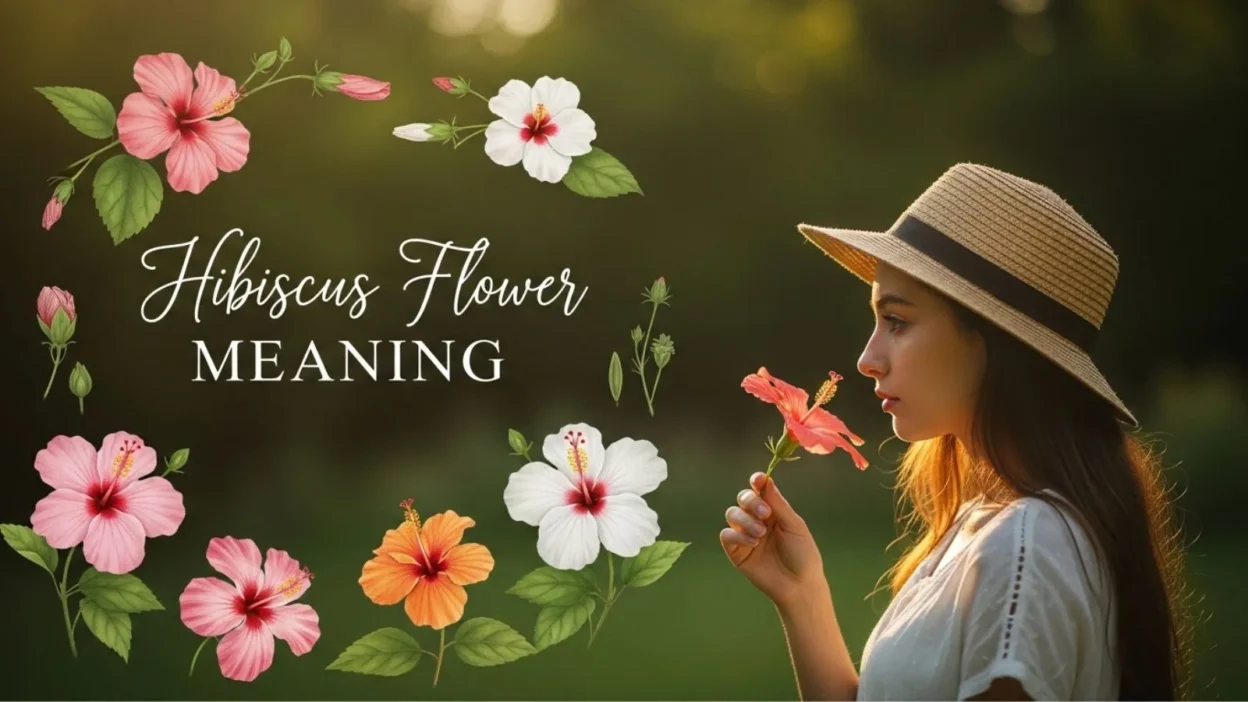
The hibiscus flower, with its vibrant petals and tropical charm, is more than just a feast for the eyes it carries a rich tapestry of meanings and symbolism.
Across the world, this delicate yet striking flower has captured human imagination, representing beauty, love, and the fleeting nature of life.
From the red hibiscus symbolizing passion and romance to the yellow variant reflecting happiness and friendship, each color tells its own unique story.
Beyond aesthetics, the hibiscus plays a vital role in cultures and traditions, from Hawaiian leis symbolizing hospitality to Indian rituals honoring deities with its blossoms.
If admired in gardens, brewed into soothing teas, or gifted to loved ones, understanding the hibiscus flower meaning allows us to connect deeper with its symbolism and cultural significance.
For anyone curious about flowers and their hidden messages, the hibiscus offers a perfect blend of beauty and meaning.
What is a Hibiscus Flower?
The hibiscus flower is a tropical beauty that belongs to the Malvaceae family, known for its large, colorful blooms and striking appearance. Native to warm climates across Asia, the Pacific Islands, and the Americas, the hibiscus has become a popular ornamental plant in gardens and landscapes worldwide. Its flowers are usually trumpet-shaped, with five or more delicate petals, often displaying vibrant shades of red, pink, yellow, orange, or white.
Hibiscus plants are not only admired for their aesthetic appeal but also for their versatility. Some species, like the Hibiscus rosa-sinensis, are cultivated as decorative garden plants, while others, such as Hibiscus sabdariffa, are grown for edible uses, including teas, jams, and herbal remedies. Hibiscus leaves, flowers, and even roots have been used in traditional medicine to support heart health, digestion, and skin care.
There are also different types of hibiscus that people commonly grow. Tropical hibiscus is known for its vibrant, large flowers and thrives in warm, sunny climates. Hardy hibiscus, on the other hand, can survive cooler temperatures and produces impressive blooms in late summer. Some hibiscus varieties are low-maintenance, making them ideal for both novice and experienced gardeners.
Understanding the hibiscus flower’s appearance, types, and uses lays the foundation for exploring its deeper symbolism and meaning, which varies depending on color, culture, and tradition. Whether in gardens, teas, or rituals, the hibiscus is truly a flower with layers of beauty and significance.
Symbolism and Meaning of Hibiscus Flower
The hibiscus flower meaning goes far beyond its bright and delicate appearance. This stunning flower has long symbolized beauty, love, and the fleeting nature of life. Its blooms are short-lived, often lasting only a day, which is why many cultures associate the hibiscus with transience and delicate moments. Giving or displaying a hibiscus can convey admiration for someone’s beauty, appreciation for fleeting joy, or a reminder to cherish the present.
The meaning of hibiscus also varies depending on its color. Red hibiscus is commonly linked to love, passion, and romantic feelings, making it a popular choice for gestures of affection. Yellow hibiscus represents friendship, happiness, and good fortune, perfect for brightening someone’s day. Pink hibiscus is associated with gentle affection and femininity, while white hibiscus conveys purity, innocence, and spiritual enlightenment. Meanwhile, orange hibiscus embodies creativity, energy, and enthusiasm, adding a vibrant touch to celebrations and décor.
In addition to personal emotions, the hibiscus has been valued in cultural symbolism. Across regions, it often signifies honor, glory, and respect, while also being used in ceremonial and decorative contexts. By understanding the symbolism of hibiscus flowers, we can better appreciate their role in communication, gifts, and traditions. This makes the hibiscus not just a beautiful bloom but also a meaningful flower that carries messages through its colors, form, and presence.
Cultural Significance of Hibiscus
The hibiscus flower meaning is deeply intertwined with cultural traditions around the world, making it much more than a decorative bloom. In Hawaiian culture, the hibiscus, particularly the yellow and red varieties, symbolizes hospitality, welcoming, and delicate beauty. Women often wear hibiscus flowers behind their ears to indicate their relationship status—on the left if taken, on the right if single—turning this flower into a subtle form of communication.
In China, the hibiscus represents fame, glory, and personal success. Its large, vibrant petals are seen as a reflection of achievement and recognition, and the flower is sometimes used in art and celebrations to convey prosperity. Similarly, in India, hibiscus flowers hold spiritual significance. They are commonly offered to deities, such as Lord Ganesha and Goddess Kali, during prayers and religious rituals. The bright red hibiscus is believed to symbolize divine energy and devotion, connecting the earthly and the spiritual.
Beyond these regions, hibiscus carries meaning in many Polynesian, Caribbean, and African traditions. It often symbolizes femininity, grace, and the beauty of life’s fleeting moments. Artists and storytellers have also immortalized the hibiscus in paintings, poetry, and folklore, emphasizing its connection to nature, emotion, and celebration.
Hibiscus in Mythology and Legends
The hibiscus flower meaning extends beyond symbolism and culture into the realm of mythology and folklore, where it is often linked to beauty, love, and divine femininity. In many traditions, the hibiscus is celebrated as a sacred flower, revered for its delicate nature and vibrant presence. Its fleeting bloom is frequently interpreted as a reminder of life’s impermanence, encouraging people to cherish every moment.
In Hawaiian legends, the hibiscus is associated with the goddess of love and fertility. Stories tell of her gifting the flower to mortals as a symbol of affection and delicate beauty, reinforcing the idea that the hibiscus represents admiration and respect. Similarly, in Chinese folklore, the hibiscus is connected to honor and glory. It appears in poems and artistic depictions to celebrate accomplishments, emphasizing the flower as a metaphor for fleeting success and recognition.
In Hindu mythology, the red hibiscus is linked to Goddess Kali, symbolizing her fierce energy and transformative power. The flower is often used in rituals and offerings, representing devotion, divine beauty, and spiritual strength. Across Polynesian and Caribbean legends, hibiscus blooms are seen as tokens of love, grace, and connection to nature.
These myths and legends highlight the hibiscus flower’s role as more than just a visual delight—it embodies stories, emotions, and spiritual meanings that have been cherished for centuries. Understanding these tales adds depth to the hibiscus flower significance, making it a flower that speaks to both the heart and the imagination.
Hibiscus in Modern Life
Today, the hibiscus flower meaning is not limited to symbolism and mythology—it plays an important role in modern life, from health and wellness to décor and culinary uses. One of the most popular ways hibiscus is enjoyed today is through hibiscus tea, made from the dried petals of the Hibiscus sabdariffa. Known for its vibrant red color and tart, refreshing flavor, this tea is celebrated for health benefits, including antioxidant properties, supporting heart health, aiding digestion, and helping maintain healthy blood pressure.
Beyond beverages, hibiscus is widely used in skincare and cosmetics. Its petals are rich in natural acids and antioxidants, making it an ingredient in face masks, toners, and creams that promote youthful, glowing skin. Many modern beauty brands incorporate hibiscus for its natural anti-aging and skin-soothing properties.
In gardening and home décor, hibiscus continues to charm enthusiasts worldwide. Tropical hibiscus plants add bold color and elegance to gardens, patios, and indoor spaces. Their blooms are often used in floral arrangements, wedding decorations, and special events, blending aesthetic beauty with symbolic meaning.
The hibiscus also inspires creative uses, from dried flowers for crafts to infused oils and natural dyes. Understanding the symbolism of hibiscus flowers allows modern enthusiasts to use them thoughtfully, whether for health, beauty, or artistic expression. This versatility shows that hibiscus remains relevant today, combining tradition, symbolism, and practical benefits in one remarkable flower.
How to Gift or Use Hibiscus Symbolically
The hibiscus flower meaning makes it a thoughtful and meaningful choice for gifting and personal use. Because each color carries its own symbolism, selecting the right hibiscus can convey specific emotions or messages. Red hibiscus is ideal for expressing romantic love and admiration, while yellow hibiscus is perfect for celebrating friendship, happiness, or new beginnings. Pink hibiscus conveys gentle affection, and white hibiscus represents purity and spiritual devotion. Orange hibiscus can be gifted to inspire creativity, energy, or joy.
Gifting hibiscus flowers is not limited to bouquets. In many cultures, the blooms are woven into leis, floral crowns, or hair accessories, allowing the recipient to carry the symbolic meaning in a visible and beautiful way. They are also a thoughtful addition to weddings, anniversaries, and special celebrations, where their colors and symbolism can enhance the event’s emotional significance.
For those who enjoy practical gifts, hibiscus can be incorporated into teas, dried flower arrangements, or essential oils, combining beauty with usefulness. Even a potted hibiscus plant serves as a lasting symbol of care and appreciation, allowing the recipient to nurture it while enjoying its blooms over time.
Using hibiscus intentionally in your life—whether through gifting, décor, or self-expression—allows you to connect more deeply with its meaning. By choosing the right color and presentation, you can communicate admiration, love, or joy without words, making the hibiscus a truly versatile and symbolic flower.
Fun Facts About Hibiscus
The hibiscus flower is not only beautiful and symbolic but also full of fascinating facts that make it a truly remarkable plant. Did you know that hibiscus blooms are short-lived, often lasting just a single day? This fleeting beauty adds to its symbolism of delicate moments and the importance of cherishing the present.
Hibiscus is also celebrated globally as a national flower in several countries. For example, it is the national flower of Malaysia, symbolizing courage and life, and of South Korea, where it represents immortality and perseverance. Its vibrant colors and large, eye-catching petals make it a favorite in gardens, art, and cultural events.
In addition to its aesthetic appeal, hibiscus has practical uses. Hibiscus tea is a refreshing beverage enjoyed worldwide, known for its tart flavor and health benefits, including supporting heart health and providing antioxidants. Some varieties are even used in skincare, hair care, and natural remedies.
Another interesting fact is that hibiscus flowers are highly attractive to pollinators such as bees, butterflies, and hummingbirds, making them an essential part of maintaining a healthy garden ecosystem. The flower has inspired artists, poets, and designers for centuries, often appearing in paintings, fabrics, and traditional attire.
From its fleeting beauty to its cultural importance and practical uses, the hibiscus is more than just a flower—it is a symbol of life, love, and creativity. Learning these fun facts adds another layer of appreciation for a bloom that has fascinated humans for centuries.
Frequently Asked Questions About Hibiscus Flower Meaning
1. What does the hibiscus flower symbolize?
The hibiscus flower symbolizes beauty, love, and delicate moments. Its blooms are short-lived, reminding us to cherish life’s fleeting pleasures. Different colors convey different meanings, from red for passion to yellow for friendship and joy.
2. What do different hibiscus colors mean?
- Red hibiscus: Romantic love and passion
- Yellow hibiscus: Friendship, happiness, and good luck
- Pink hibiscus: Gentle affection and femininity
- White hibiscus: Purity, spiritual devotion, and new beginnings
- Orange hibiscus: Creativity, energy, and enthusiasm
3. Why is hibiscus important in Hawaiian culture?
In Hawaii, hibiscus represents hospitality and welcoming. Women often wear hibiscus flowers behind their ears to indicate their relationship status—left for taken, right for single.
4. Can hibiscus be used for health benefits?
Yes! Hibiscus tea is rich in antioxidants and is known to support heart health, digestion, and blood pressure. The petals are also used in skincare for their anti-aging and soothing properties.
5. How can I gift a hibiscus flower meaningfully?
Choose the flower color based on the message you want to convey. Hibiscus can be gifted as fresh blooms, potted plants, teas, or in decorative arrangements, combining beauty with symbolic meaning.
6. Is hibiscus used in rituals or mythology?
Yes. In India, red hibiscus is offered to deities like Goddess Kali, symbolizing devotion and spiritual energy. In Hawaiian and Chinese traditions, it conveys admiration, honor, and glory.
Conclusion
The hibiscus flower meaning is as vibrant and multifaceted as the flower itself.
From its fleeting blooms symbolizing the beauty of the present moment to its rich cultural significance across Hawaii, India, China, and beyond, the hibiscus carries messages of love, admiration, and spiritual connection.
Its colors red for passion, yellow for friendship, pink for gentle affection, white for purity, and orange for creativity allow us to communicate emotions and intentions without words.
Beyond symbolism, hibiscus also enriches modern life through teas, skincare, décor, and gardens, blending beauty with practical benefits.
Understanding the hibiscus flower meaning helps us appreciate not only its physical beauty but also its deeper significance in our lives, traditions, and celebrations.
If gifting a bloom, enjoying its tea, or planting it in your garden, the hibiscus remains a timeless symbol of love, joy, and fleeting beauty.

Jonathan Bishopson is the punmaster-in-chief at ThinkPun.com, where wordplay meets wit and every phrase gets a clever twist. Known for turning ordinary language into laugh-out-loud lines, Jonathan crafts puns that make readers groan, grin, and think twice. When he’s not busy bending words, he’s probably plotting his next “pun-derful” masterpiece or proving that humor really is the best re-word.