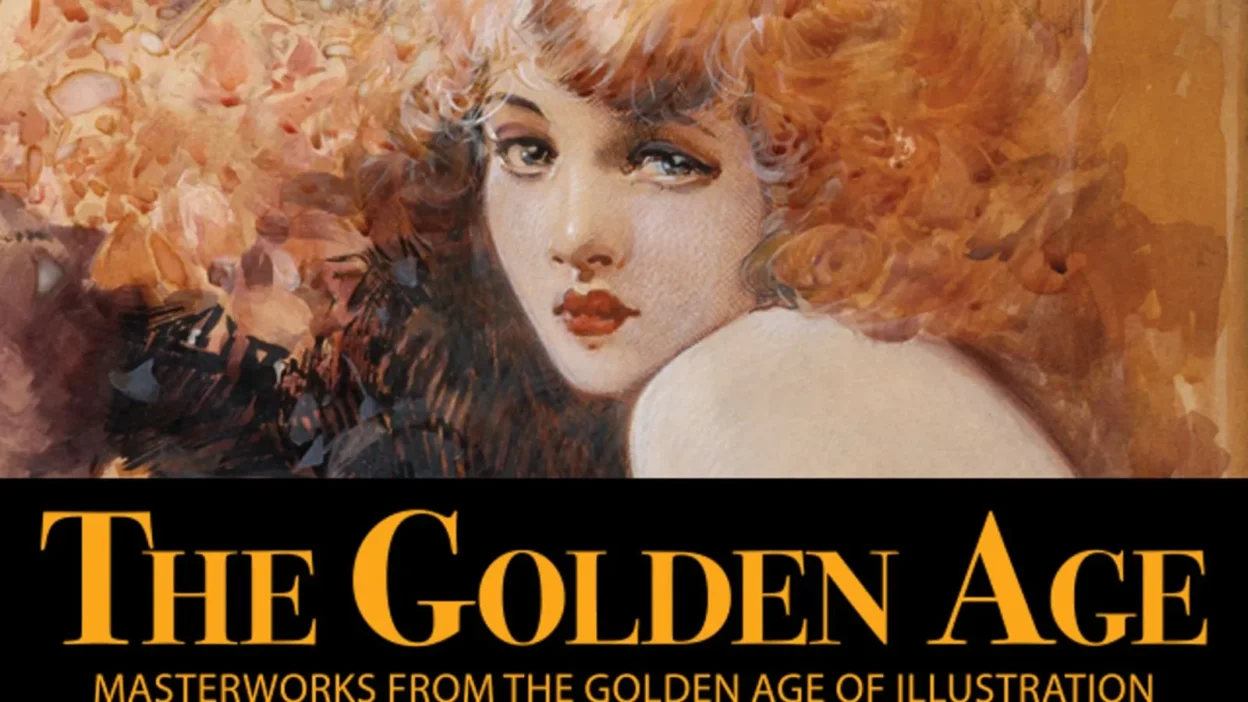
The term “Golden Age” evokes images of prosperity, creativity, and cultural brilliance. Historically, it describes a period in which civilizations reach their peak in art, science, philosophy, and societal development.
From the classical achievements of Ancient Greece to the scientific and intellectual advancements of the Islamic Golden Age, these eras have left lasting legacies that continue to inspire humanity.
Beyond history, the concept of a Golden Age has also been applied to modern times—whether it’s the Golden Age of Hollywood, marked by iconic films and legendary stars, or the technological Golden Age, driven by innovations in science and digital technology.
Understanding what defines a Golden Age helps us appreciate the factors that enable societies to thrive and maintain progress.
In this article, we will explore the historical, cultural, and modern interpretations of Golden Ages, their characteristics, and the lessons they offer for the future.
The Concept and Meaning of Golden Age
A Golden Age is often described as a period of exceptional achievement, stability, and prosperity within a society or civilization. The term originates from ancient literature and mythology; for example, the Greek poet Hesiod referred to a “Golden Age” as the first and most perfect era of persons, a time of peace, abundance, and harmony with nature. Over time, the concept has evolved to include not only literal historical periods but also metaphorical and modern interpretations.
At its core, a Golden Age represents a peak moment when multiple aspects of society—political stability, economic prosperity, cultural development, and scientific innovation—come together to create extraordinary progress. These periods are characterized by a flourishing of knowledge, creativity, and intellectual curiosity, often leaving behind a lasting legacy that influences future generations.
The concept is also subjective. What one culture or era may consider a Golden Age could be different for another. For example, while historians celebrate the Islamic Golden Age for its scientific and mathematical contributions, others may view the Renaissance in Europe as a pinnacle of artistic and philosophical achievement.
In modern contexts, Golden Ages are not limited to history. The term is frequently applied to periods of excellence in arts, entertainment, or technology, such as the Golden Age of Hollywood or the current era of rapid technological innovation. Ultimately, a Golden Age is a reflection of human potential realized in extraordinary ways.
Historical Golden Ages Across the World
Throughout history, various civilizations have experienced Golden Ages, periods marked by remarkable advancements in culture, science, and governance. One of the earliest recognized is Ancient Greece, particularly during the 5th century BCE. This era saw the rise of democracy in Athens, groundbreaking philosophical thought from figures like Socrates and Plato, and stunning achievements in art, architecture, and theater. Greek culture during this time laid the foundation for Western civilization.
Another prominent example is the Islamic Golden Age, spanning roughly from the 8th to the 14th century. During this period, the Islamic world became a center for learning, producing innovations in mathematics, astronomy, medicine, and literature. Cities like Baghdad, Cordoba, and Cairo were hubs of intellectual exchange, preserving classical knowledge and advancing it in ways that would later influence Europe’s Renaissance.
In Asia, China experienced multiple Golden Ages, particularly under the Tang and Song Dynasties, when trade flourished along the Silk Road, technological innovations like printing and gunpowder emerged, and arts and literature thrived. Similarly, the Gupta Empire in India is celebrated as a Golden Age of science, mathematics, and cultural achievements, including advancements in astronomy and classical art forms.
Europe itself witnessed its Golden Age during the Renaissance, a revival of learning, arts, and humanism following the Middle Ages. This period produced legendary artists like Leonardo da Vinci and Michelangelo and significant scientific discoveries that reshaped society.
These historical examples show that a Golden Age often arises when political stability, economic prosperity, and intellectual curiosity converge, leaving a legacy that continues to influence the world centuries later.
Cultural Golden Ages
Beyond historical and political achievements, many societies have experienced Cultural Golden Ages, periods when art, literature, music, and entertainment reach extraordinary heights. These eras often leave a lasting influence on collective memory, shaping cultural identity and inspiring future generations.
One of the most widely recognized cultural peaks is the Golden Age of Hollywood, spanning the 1920s to the 1960s. During this time, cinema evolved into a major form of artistic expression and mass entertainment. Iconic films, legendary actors, and innovative storytelling techniques defined the era, creating a lasting legacy that continues to influence modern filmmaking. Similarly, the Golden Age of Comics in the 1930s and 1940s introduced legendary superheroes such as Superman and Batman, establishing the foundation for contemporary popular culture and entertainment franchises worldwide.
In music, certain periods are often celebrated as Golden Ages. For example, Jazz in the 1920s–1940s represented an explosion of creativity, innovation, and cultural fusion, while classical music flourished in Europe during earlier centuries with composers like Mozart and Beethoven. Literature also experienced Golden Ages, such as the Elizabethan era in England, when writers like Shakespeare and Marlowe produced enduring works that defined the literary canon.
Cultural Golden Ages often emerge when societies are open to innovation, exchange, and experimentation. They reflect not only economic or political stability but also a collective appetite for creativity and expression. These periods demonstrate how culture can thrive and endure, sometimes even outlasting the political or economic conditions that supported them.
Golden Ages in Innovation and Technology
Golden Ages are not limited to arts and culture—they also occur during periods of remarkable technological and scientific progress. These eras transform societies, reshape economies, and often have long-lasting global impact. One notable example is the Industrial Revolution, which began in the 18th century. During this period, innovations such as the steam engine, mechanized textile production, and improvements in transportation revolutionized industry, commerce, and daily life. The Industrial Revolution created unprecedented economic growth, urbanization, and new opportunities for human advancement.
Another example is the Information Age, often considered a modern Golden Age of technology. From the late 20th century to the present, advancements in computing, the internet, and digital communication have transformed how we live, work, and interact. Silicon Valley became a global hub of innovation, producing breakthroughs in software, artificial intelligence, and biotechnology. These developments have created entirely new industries and reshaped economies worldwide.
Space exploration also represents a technological Golden Age, particularly during the mid-20th century with the Space Race. Human achievement reached new heights with satellite technology, lunar landings, and the development of international cooperation in space research.
Golden Ages in technology often coincide with strong education systems, economic support, and societal encouragement for experimentation and invention. They demonstrate the human capacity to solve complex problems and push boundaries, leaving legacies that inspire future generations. These periods show that innovation itself can define an era as a Golden Age.
Characteristics and Indicators of a Golden Age
A Golden Age is defined not only by remarkable achievements but also by specific characteristics that signal a society or era is flourishing. One of the primary indicators is economic prosperity. Societies with wealth and resources can support arts, sciences, and infrastructure, enabling innovation and cultural growth. For example, trade expansion during the Tang Dynasty in China or the flourishing commerce of Renaissance Italy fueled progress across multiple domains.
Cultural and intellectual achievements are another hallmark. A Golden Age often sees the emergence of groundbreaking art, literature, music, and philosophy. Ancient Greece produced monumental architecture and classical philosophy, while the Islamic Golden Age advanced mathematics, astronomy, and literature. These accomplishments create a lasting legacy that continues to inspire subsequent generations.
Scientific and technological breakthroughs frequently define such eras. Periods of innovation, from the Industrial Revolution to the modern Information Age, demonstrate how societies harness knowledge to transform daily life, industry, and global interaction.
Political stability and social order are also crucial. Golden Ages generally emerge when governance is effective, and society experiences peace, allowing citizens to focus on creative, scientific, and economic pursuits rather than survival or conflict.
Finally, openness to knowledge and cultural exchange is a recurring feature. Societies that embrace learning, diversity, and interaction with other cultures often experience accelerated growth.
In essence, a Golden Age arises when prosperity, creativity, innovation, stability, and openness converge, creating a period where human potential is fully realized, leaving a lasting and influential legacy.
Causes of Golden Ages
Golden Ages rarely occur by accident; they are typically the result of a combination of political, economic, social, and cultural factors that create an environment conducive to growth and innovation. One of the most significant causes is effective leadership and governance. Stable governments that provide security, enforce laws, and support public institutions create the conditions for prosperity. For instance, the stability of the Abbasid Caliphate allowed scholars, scientists, and artists to thrive during the Islamic Golden Age.
Economic surplus and trade are also essential. Societies with abundant resources can invest in infrastructure, education, and the arts. Wealth generated through trade or natural resources often funds cultural and scientific projects, as seen during the Renaissance in Italy, where wealthy merchant families like the Medicis became patrons of the arts.
Another key factor is cultural openness and intellectual curiosity. Golden Ages often emerge in societies that value education, experimentation, and knowledge exchange. The Tang Dynasty in China encouraged learning and welcomed foreign ideas, leading to advancements in technology, literature, and international trade.
Technological innovation and scientific discovery can also act as catalysts. Breakthroughs in agriculture, navigation, or industry increase productivity and spark further progress.
Finally, peace and social stability play a crucial role. When societies are free from constant war or conflict, people can focus on creativity, scholarship, and innovation.
In summary, Golden Ages arise from a delicate balance of leadership, economic resources, intellectual openness, innovation, and social stability, creating an era in which civilizations reach their highest potential.
Decline or End of a Golden Age
While Golden Ages are celebrated for their remarkable achievements, they are often temporary, and many eventually decline. Understanding the reasons behind these declines helps explain the fragility of prosperity and the challenges societies face in maintaining their peak. One of the most common causes is political instability. Changes in leadership, corruption, or civil strife can weaken governance and disrupt the social order that allowed creativity and innovation to flourish. For example, the later stages of the Roman Empire saw internal political turmoil that contributed to its eventual fall.
Economic challenges also play a major role. Overreliance on trade, resource depletion, or unequal wealth distribution can undermine prosperity. In some cases, external invasions or competition for resources disrupt trade networks, as seen in the decline of the Abbasid Caliphate after repeated invasions and internal fragmentation.
Cultural stagnation may further accelerate decline. When societies stop valuing innovation or become resistant to new ideas, intellectual and artistic progress slows. Additionally, environmental factors, such as famine, climate change, or disease, can destabilize populations and erode the foundations of a Golden Age.
Despite their end, the achievements of Golden Ages often leave enduring legacies. Knowledge, art, and inventions are preserved and influence future generations, as evidenced by the Renaissance, which drew heavily on the works of earlier Greek and Islamic scholars.
In essence, the decline of a Golden Age is a reminder that progress is delicate. Political, economic, cultural, and environmental factors must be carefully balanced to sustain an era of prosperity, innovation, and creativity.
Modern Interpretation and Subjective Golden Ages
The concept of a Golden Age is not limited to history; it also applies to modern times in ways that are often subjective. Today, societies frequently use the term to describe periods of exceptional achievement in arts, technology, entertainment, or even sports. Unlike historical Golden Ages, which are often evaluated by historians with the benefit of hindsight, modern Golden Ages are recognized in real time based on cultural impact, innovation, or nostalgia.
For instance, the Golden Age of Hollywood (1920s–1960s) is celebrated for its classic films, iconic stars, and influential storytelling techniques. Similarly, the Golden Age of Television in the early 21st century, marked by high-quality series and groundbreaking narratives, has been recognized as a modern cultural peak. In technology, many consider the current era of rapid innovation—spanning artificial intelligence, biotechnology, and digital communication—as a technological Golden Age that transforms how humans live and work.
The subjective nature of modern Golden Ages means that what one group considers a pinnacle may differ for others. Nostalgia often plays a role, with people looking back on past decades or eras and labeling them as “better” or more influential.
Despite these variations, the essence remains the same: a period in which creativity, innovation, and cultural influence reach exceptional heights. Recognizing these modern Golden Ages allows societies to celebrate human potential and encourages continued progress, innovation, and cultural expression in contemporary times.
Lessons and Takeaways from Golden Ages
Golden Ages offer more than historical fascination—they provide valuable lessons for modern societies. By studying the factors that enabled past eras of prosperity, innovation, and cultural achievement, we can identify strategies to foster progress and avoid decline. One key lesson is the importance of investing in education and intellectual development. Societies that prioritize learning, research, and creative exploration—such as during the Islamic Golden Age or the European Renaissance—tend to experience sustained innovation and cultural growth.
Another takeaway is the value of political stability and effective governance. Stable leadership creates the conditions for citizens to focus on innovation, art, and scholarship, while periods of conflict or mismanagement often disrupt progress. Additionally, economic prosperity is crucial. Surplus resources allow societies to support artists, scientists, and thinkers, fueling cultural and technological advancement.
Golden Ages also highlight the importance of openness and cultural exchange. Societies that embrace diversity, collaboration, and the free flow of ideas—like Tang Dynasty China or Renaissance Italy—often achieve rapid intellectual and artistic growth.
Finally, the decline of Golden Ages underscores the need for long-term planning and adaptability. Economic mismanagement, political unrest, or cultural stagnation can abruptly end periods of progress. By studying historical patterns, modern societies can anticipate challenges and work proactively to maintain innovation and creativity.
In essence, Golden Ages remind us that human potential thrives when stability, opportunity, curiosity, and collaboration converge, offering a blueprint for building lasting prosperity and cultural enrichment.
Frequently Asked Questions (FAQs) About Golden Age
1. What is a Golden Age?
A Golden Age is a period in history or culture marked by exceptional achievements in art, science, literature, and societal development, often accompanied by economic prosperity and political stability.
2. Which civilizations experienced a Golden Age?
Some notable examples include Ancient Greece, the Islamic world during the Abbasid Caliphate, the Tang and Song Dynasties in China, and Renaissance Europe.
3. What are the key characteristics of a Golden Age?
Common traits include economic prosperity, cultural and intellectual growth, technological innovation, political stability, and openness to new ideas.
4. Why do Golden Ages decline?
Declines often occur due to political instability, economic crises, cultural stagnation, external invasions, or environmental challenges such as famine or disease.
5. Is the Golden Age only historical?
No. The concept also applies to modern times, such as the Golden Age of Hollywood, the Golden Age of Television, or the current technological Golden Age.
6. What causes a Golden Age?
Golden Ages arise from a combination of stable governance, economic surplus, intellectual curiosity, innovation, and cultural openness.
7. Can a Golden Age happen in one field only?
Yes. Some Golden Ages are specific to culture, technology, or arts, even if political or economic conditions are not equally strong.
8. What lessons can we learn from Golden Ages?
They teach the value of education, innovation, stability, collaboration, and adaptability to maintain progress and avoid societal decline.
9. How long does a Golden Age last?
There is no fixed duration. Golden Ages can last decades, centuries, or even shorter periods, depending on the society and circumstances.
10. Are Golden Ages subjective?
Partly. While historical Golden Ages are recognized in hindsight, modern Golden Ages often rely on cultural perception, impact, and nostalgia.
Conclusion:
Golden Ages represent humanity at its peak—periods when societies achieve remarkable progress in arts, science, culture, and innovation.
From the philosophical brilliance of Ancient Greece to the scientific and intellectual achievements of the Islamic Golden Age, and the cultural flourishing of the Renaissance, these eras showcase what is possible when stability, prosperity, and creativity align.
Beyond history, the concept of a Golden Age continues to resonate in modern times.
If it’s the Golden Age of Hollywood, the rise of groundbreaking technologies, or unprecedented achievements in sports and entertainment, these periods demonstrate the timeless human desire to excel, innovate, and create lasting legacies.
Studying Golden Ages not only helps us appreciate past accomplishments but also offers valuable lessons for the present and future.
Effective leadership, economic growth, cultural openness, and encouragement of knowledge and creativity are all crucial ingredients for sustaining progress.
While every Golden Age eventually declines, its legacy endures—reminding us that human potential can reach extraordinary heights when the right conditions come together.