
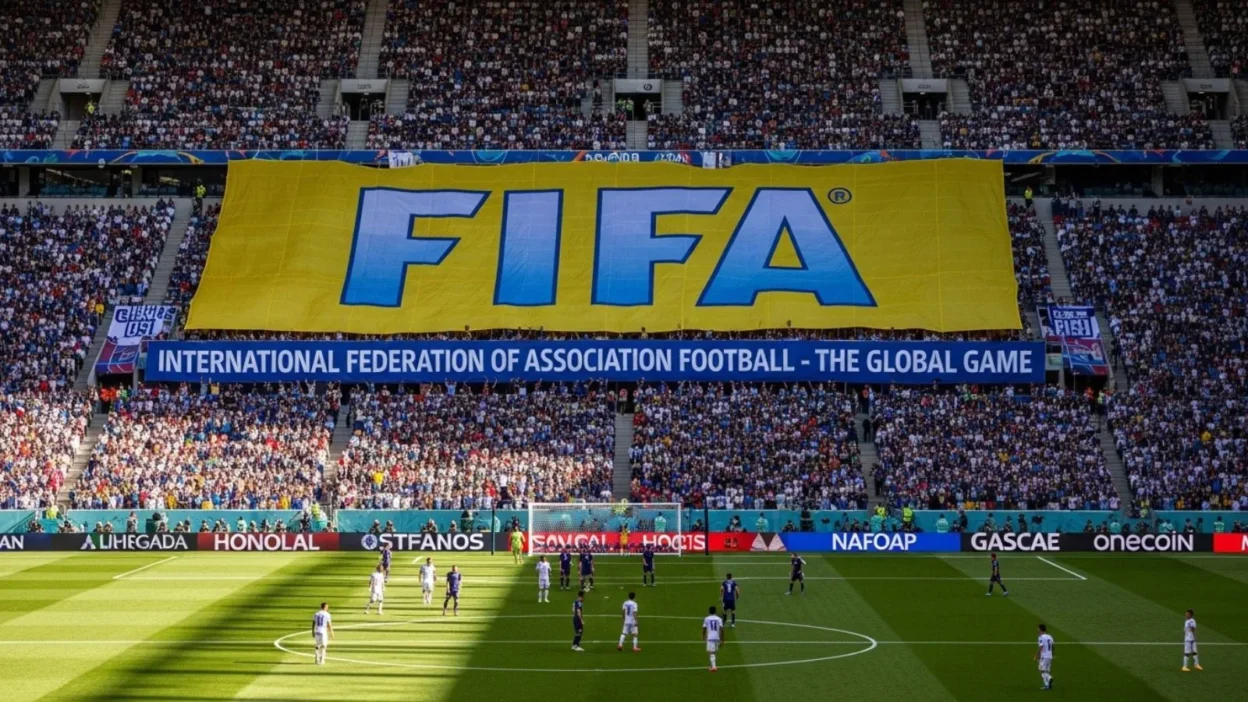
Have you ever wondered what FIFA really means? if you’re a football fan, a gamer, or just curious about global sports, understanding FIFA is essential.
FIFA, short for Fédération Internationale de Football Association, is the world’s governing body for football, overseeing international tournaments, rules, and rankings.
But the term isn’t limited to just the organization; it’s also the name of one of the most popular football video game series globally. People often search for Fifa Meaning because they want clarity about its full form, its history, and its impact on football culture.
organizing prestigious events like the FIFA World Cup to influencing millions of players in virtual arenas, FIFA has become a household name in both real and digital football worlds. In this article, we’ll break down the true meaning of FIFA, explore its history, and explain why it matters to fans, players, and gamers alike.
What Does FIFA Stand For?
When most people hear the term “FIFA,” they might immediately think of the FIFA World Cup or the popular video game. But at its core, FIFA is an acronym for Fédération Internationale de Football Association. This is a French name, which translates to International Federation of Association Football in English. Essentially, FIFA is the global governing body of football, responsible for overseeing the rules, competitions, and overall development of the sport worldwide.
Founded in 1904, FIFA was created to bring together national football associations under a single international organization. Its primary purpose is to standardize the rules of football, organize major tournaments, and ensure fair play among member countries. Today, FIFA has over 200 member associations, making it one of the most influential sports organizations on the planet.
Interestingly, many people are surprised to learn that the acronym “FIFA” comes from the French language, not English. This is why the letters don’t match the English translation exactly. Despite this, FIFA is recognized globally, and the term has become synonymous with international football.
If you are a football enthusiast, a gamer, or someone just curious about sports terminology, understanding the full form of FIFA is the first step in appreciating its role. In the next sections, we’ll explore FIFA’s rich history, its tournaments, and even the video game that has made the name even more popular.
History of FIFA
FIFA has a fascinating history that dates back to the early 20th century. The organization was officially founded on May 21, 1904 in Paris, France, with seven national football associations coming together: Belgium, Denmark, France, the Netherlands, Spain, Sweden, and Switzerland. The primary goal was to create a unified body to govern international football, establish standardized rules, and organize competitions across nations.
The first president of FIFA was Robert Guérin, who helped lay the foundation for what would become the world’s leading football organization. Over the years, FIFA expanded rapidly, welcoming more member countries and introducing structured international tournaments. One of FIFA’s most significant milestones was organizing the first FIFA World Cup in 1930, held in Uruguay. This event marked the beginning of a global football phenomenon that still captures the attention of billions every four years.
Throughout its history, FIFA has faced both challenges and achievements. From navigating political tensions during global conflicts to managing controversies in football governance, the organization has evolved to become more transparent and influential. Today, FIFA not only governs professional football but also promotes youth development, women’s football, and grassroots programs worldwide.
Understanding FIFA’s history is crucial to appreciating its current role in global football. From humble beginnings in Paris to organizing the largest sporting event on the planet, FIFA’s journey reflects its mission to bring the world together through football.
FIFA as a Global Football Organization
FIFA is much more than just a name—it is the central authority that governs football worldwide. As the global football organization, FIFA is responsible for setting the official rules of the game, organizing international competitions, and ensuring that football is played fairly across all member countries. With over 200 national associations under its umbrella, FIFA has a massive influence on both professional and grassroots football.
One of FIFA’s main roles is to organize international tournaments, including the prestigious FIFA World Cup, the Women’s World Cup, and various youth and club competitions. These events bring together countries from all corners of the globe, showcasing the sport’s universal appeal. In addition to tournaments, FIFA manages the official rankings of national teams, supervises refereeing standards, and implements programs to develop football infrastructure in emerging countries.
Beyond competitions, FIFA is actively involved in promoting football culture, supporting fair play, and encouraging diversity and inclusion within the sport. It also works with regional football confederations like UEFA (Europe), CONMEBOL (South America), and CAF (Africa) to ensure consistent regulations and standards across continents.
Whether you’re a professional player, a coach, or a passionate fan, FIFA’s role as a governing body affects every aspect of football. Understanding its responsibilities helps fans appreciate the global impact of FIFA beyond just the tournaments or video games. From maintaining rules to fostering international unity, FIFA truly is the backbone of world football.
FIFA Tournaments and Events
FIFA is best known for organizing some of the most prestigious football tournaments in the world, and these events have become a central part of global sports culture. The FIFA World Cup is the crown jewel, held every four years, bringing together the top national teams from across the globe. Since its inception in 1930, the World Cup has grown into a spectacle watched by billions of fans, making it the largest sporting event on Earth.
In addition to the men’s World Cup, FIFA also organizes the FIFA Women’s World Cup, which has gained massive popularity and recognition for promoting women’s football worldwide. Other FIFA competitions include the FIFA U-20 and U-17 World Cups, which focus on youth development, and the FIFA Club World Cup, where top club teams from each continent compete for international glory. These tournaments help discover new talent, elevate football standards, and maintain a competitive spirit among nations.
FIFA also hosts friendly matches and qualifiers to ensure continuous international engagement and preparation for major tournaments. Beyond professional competitions, FIFA supports grassroots initiatives and regional events in collaboration with continental confederations like UEFA, CONMEBOL, CAF, AFC, and OFC.
Through these tournaments and events, FIFA not only celebrates football excellence but also strengthens cultural and sporting connections worldwide. Whether you’re a fan cheering from the stands or a player dreaming of representing your country, FIFA tournaments create moments of excitement, pride, and global unity that define the spirit of football.
FIFA Video Game The Gaming Side
While FIFA is widely recognized as the governing body of international football, many people also associate the name with the FIFA video game series by EA Sports. Launched in 1993, the game has become one of the most popular and successful football simulation games globally, with millions of fans playing on consoles, PCs, and mobile devices. The game allows players to experience football virtually, managing teams, competing in tournaments, and even controlling famous players from around the world.
The FIFA video game series is updated annually, introducing new features, improved graphics, and realistic gameplay to match real-world football developments. Players can participate in modes like Career Mode, Ultimate Team, and FIFA Pro Clubs, offering both single-player and online multiplayer experiences. The game’s popularity has also led to the rise of eSports tournaments, where professional gamers compete in high-stakes competitions that mirror real football tournaments.
It’s important to note the distinction between FIFA the organization and FIFA the video game. While both share the same name, one governs the sport globally, and the other provides an interactive experience for fans and gamers. Despite this difference, both contribute to FIFA’s global recognition, spreading football culture to audiences who might never watch a live match but enjoy playing it digitally.
For gamers, football fans, and aspiring eSports players, the FIFA video game is not just entertainment—it’s a way to connect with the sport, learn strategies, and celebrate football virtually.
FIFA’s Impact on Football Culture
FIFA’s influence extends far beyond tournaments and video games; it has a profound impact on football culture worldwide. As the governing body of international football, FIFA helps shape how the sport is played, celebrated, and perceived across nations. From professional leagues to local grassroots programs, FIFA sets standards that promote fair play, unity, and sportsmanship in football.
One of the most visible aspects of FIFA’s impact is the FIFA World Cup, which unites countries and fans every four years. The tournament creates moments of national pride, unforgettable matches, and global attention for football stars. Beyond competitions, FIFA also influences football culture through regulations, referee training, and development programs, ensuring that the game remains consistent, safe, and enjoyable at all levels.
FIFA also plays a key role in promoting inclusivity. Women’s football, youth leagues, and programs in developing countries benefit from FIFA’s support, helping grow the sport and its culture globally. The organization encourages fair competition, supports anti-discrimination initiatives, and uses football as a tool for social change in many regions.
Even in media and entertainment, FIFA’s presence shapes how football is consumed and celebrated. From inspiring fan traditions to influencing the FIFA video game series, the organization bridges real-world and virtual football, making it accessible to millions. Ultimately, FIFA doesn’t just govern football—it defines and spreads its culture worldwide, connecting fans, players, and nations through the universal language of the sport.
Common Misconceptions About FIFA
Despite being one of the most recognized names in football, FIFA is often surrounded by misconceptions and misunderstandings. One of the most common is confusing FIFA the organization with the FIFA video game series. While both share the same name, they serve entirely different purposes—one governs international football, while the other provides a virtual football experience for gamers.
Another misconception is that FIFA controls all aspects of football worldwide. In reality, FIFA sets the rules and organizes international tournaments, but local leagues and national associations have autonomy over domestic competitions. FIFA provides guidance, governance, and support but does not directly manage every football match globally.
Some people also think FIFA is free from controversy. Over the years, the organization has faced criticism for governance issues, corruption scandals, and controversies in tournament selections. While reforms have been made to increase transparency and accountability, these past events have contributed to public skepticism about FIFA’s operations.
Additionally, many assume that FIFA only focuses on men’s football. In truth, FIFA actively promotes women’s football, youth development programs, and grassroots initiatives worldwide. It works with regional confederations to expand the sport in underrepresented areas, helping football reach a truly global audience.
Understanding these misconceptions is important for both fans and casual observers. Recognizing the difference between FIFA’s official role, video game identity, and global influence helps provide a clearer picture of the organization and its impact on football culture.
Fun Facts About FIFA
FIFA isn’t just an organization or a video game; it’s a global phenomenon full of interesting facts and trivia that many football fans may not know. For starters, FIFA was founded in 1904, but the first-ever FIFA World Cup didn’t take place until 1930 in Uruguay. That inaugural tournament featured only 13 teams, yet it laid the foundation for what would become the world’s most-watched sporting event.
Another fun fact is that FIFA is one of the largest sports organizations globally, with over 200 member associations, more than the United Nations. This widespread membership shows how football connects people across continents, cultures, and languages.
For video game enthusiasts, the FIFA series by EA Sports has sold over 325 million copies worldwide, making it one of the best-selling sports game franchises ever. Interestingly, each yearly edition reflects real-world football updates, from player transfers to stadium enhancements, giving gamers a near-authentic football experience.
FIFA is also known for its records and milestones. For example, the highest number of goals scored in a single men’s World Cup match is 10, achieved by Hungary in 1982. On the women’s side, the United States has won the most FIFA Women’s World Cups, showcasing the sport’s global growth and competitiveness.
These fun facts highlight FIFA’s dual influence—both as an organization shaping international football and as a cultural icon through video games and tournaments. Knowing these trivia pieces makes following football even more exciting for fans of all ages.
FAQs
1. What is FIFA full form?
FIFA stands for Fédération Internationale de Football Association, which translates to the International Federation of Association Football. It is the global governing body of football.
2. Is FIFA only about football games?
No. While FIFA is a popular video game series by EA Sports, the organization itself governs real-world international football, organizes tournaments, and sets official rules.
3. Who founded FIFA and when?
FIFA was founded in 1904 in Paris, France, by seven national football associations. Its first president was Robert Guérin, and it has since grown to include over 200 member associations worldwide.
4. What is the role of FIFA in football?
FIFA oversees international football competitions, establishes official rules, manages national team rankings, promotes football development globally, and supports grassroots and youth programs.
5. What is the difference between FIFA organization and FIFA video game?
The organization regulates and promotes football internationally, while the FIFA video game simulates football digitally, allowing players to manage teams, compete in virtual tournaments, and experience football virtually.
6. What are some major FIFA tournaments?
The most famous tournaments include the FIFA World Cup, FIFA Women’s World Cup, FIFA U-20 and U-17 World Cups, and the FIFA Club World Cup. These events showcase talent from all over the world.
Conclusion
In summary, understanding Fifa Meaning goes beyond knowing just the acronym.
FIFA, or Fédération Internationale de Football Association, plays a vital role in shaping global football, from organizing major tournaments like the FIFA World Cup to promoting grassroots and women’s football worldwide.
Its influence extends to the digital world through the FIFA video game series, allowing fans to experience the excitement of football virtually.
FIFA’s history, its governance of the sport, and its cultural impact demonstrate why it is recognized as the heart of international football.
If you are a passionate football fan, a gamer, or someone curious about sports organizations, knowing the meaning and significance of FIFA helps you appreciate how it connects players, fans, and nations.

Jonathan Bishopson is the punmaster-in-chief at ThinkPun.com, where wordplay meets wit and every phrase gets a clever twist. Known for turning ordinary language into laugh-out-loud lines, Jonathan crafts puns that make readers groan, grin, and think twice. When he’s not busy bending words, he’s probably plotting his next “pun-derful” masterpiece or proving that humor really is the best re-word.