Have you ever wondered how old your cat really is in human years? Understanding a cat’s age is more than just curiosity it’s essential for providing the right care, nutrition, and health support at every stage of their life.
Unlike humans, cats age rapidly during their first few years, and then their aging slows down, making it tricky to estimate their “human equivalent” age. That’s where a cat age chart comes in handy.
By using a cat age chart, you can quickly determine whether your feline friend is a playful kitten, a mature adult, or a wise senior.
Knowing your cat’s life stage helps you anticipate their needs, monitor their health, and make lifestyle adjustments that keep them happy and active.
In this guide, we’ll break down cat ages, explain how to calculate them in human years, and provide tips for caring for cats at every stage of life.
Why Cat Age Matters
Knowing your cat’s age is more than just satisfying curiosity—it’s essential for keeping them healthy and happy throughout their life. Cats experience distinct life stages, and each stage comes with unique physical, nutritional, and behavioral needs. Understanding their age helps you provide the right diet, prevent health problems, and tailor their environment to suit their energy levels and abilities.
For instance, kittens require frequent feeding, socialization, and vaccinations to grow strong and healthy. Young adult cats need balanced nutrition and exercise to maintain weight and muscle tone, while senior cats often need joint support, dental care, and more regular veterinary checkups to manage age-related conditions. Age also affects behavior. Younger cats are typically energetic, playful, and curious, whereas older cats may sleep more, groom less, or show signs of cognitive changes. Recognizing these patterns allows pet owners to adapt routines, plan activities, and ensure their cat’s comfort.
Knowing your cat’s age in human terms can also help you empathize with their physical and emotional state. It’s easier to understand why a kitten might have boundless energy or why a 15-year-old cat prefers quiet spaces. A cat age chart is a simple tool that translates feline years into human years, helping owners make informed decisions about care, diet, and health. Ultimately, understanding your cat’s age ensures they live a longer, happier, and healthier life.
Understanding Cat Age in Human Years
Cats age differently from humans, especially during their early years, which is why translating feline years into human years can be confusing. Many people believe that one cat year equals seven human years, but this is a common myth. In reality, cats develop much faster during their first two years and then age more gradually afterward. For example, a one-year-old cat is roughly equivalent to a 15-year-old human in terms of physical and mental development. By the time a cat reaches two years old, they are comparable to a 24-year-old human.
After the first two years, each additional cat year is generally equivalent to about four human years. This gradual aging pattern allows cat owners to estimate their pet’s life stage more accurately and anticipate changes in health, behavior, and activity levels. Kittens and young cats grow rapidly, reaching sexual maturity within their first year, while adult cats maintain peak physical condition for several years. Senior cats, however, may begin to show signs of aging such as reduced mobility, dental issues, or changes in sleep and grooming habits.
Understanding your cat’s age in human terms helps you provide the right care, adjust diet and exercise routines, and recognize early signs of health issues. Using a cat age chart makes this process simple, providing a clear visual guide to track your feline friend’s life stage. By knowing how old your cat is in human years, you can ensure they receive the support and attention they need at every stage of life.
Cat Life Stages Explained
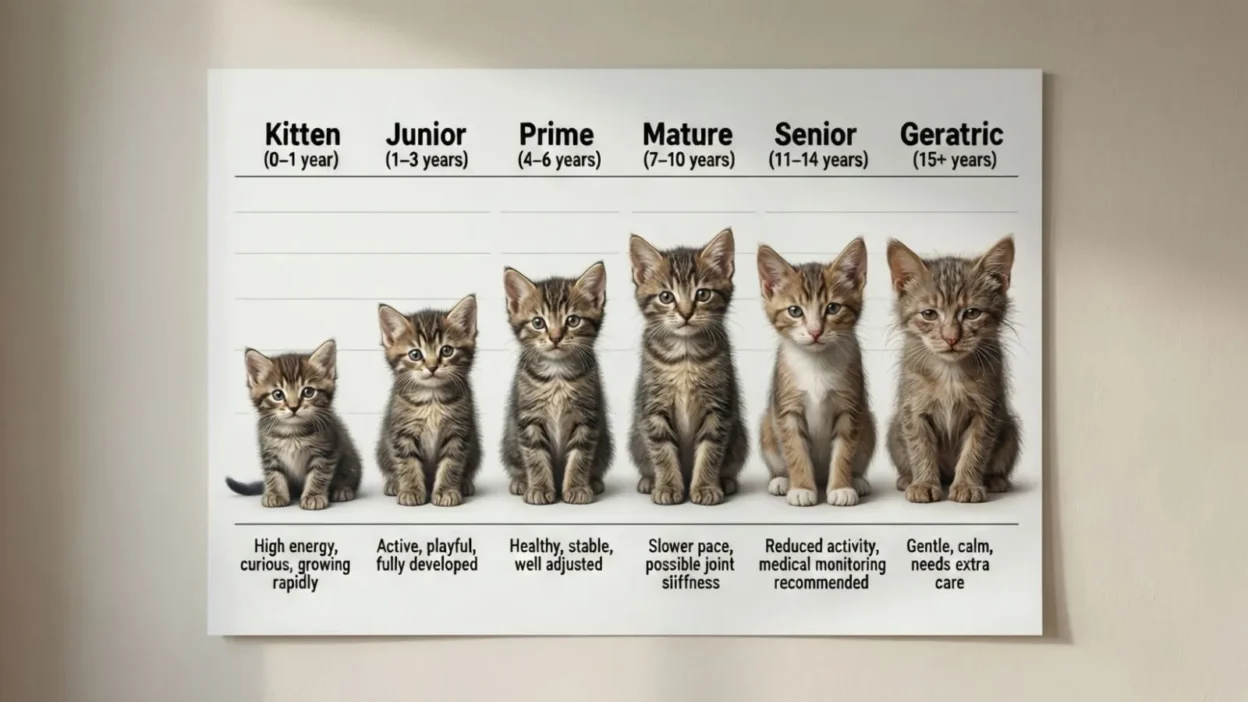
Cats go through distinct life stages, and understanding these stages can help owners provide the best care at each point in their cat’s life. Kittens are considered 0–1 year old and experience rapid growth and development. During this stage, they are playful, curious, and highly energetic. Kittens need frequent feeding, socialization, and vaccinations to ensure they grow healthy and well-adjusted. This is also the stage where their personalities begin to form.
Young Adults:
Typically aged 1–6 years, have reached full physical maturity. They are at their peak health, full of energy, and often highly active. During this stage, it’s important to maintain a balanced diet and encourage regular exercise to prevent weight gain and promote muscle strength. Many cats in this age group are adventurous and may explore more, so safety measures like keeping them indoors or providing secure outdoor spaces are important.
Adult Cats:
Usually between 7–10 years, start showing subtle signs of aging. They may become less active, sleep more, and their metabolism may slow down. Regular veterinary checkups, dental care, and joint monitoring become increasingly important during this stage.
Senior cats:
Aged 11 years and older, require special attention. They may develop health issues such as arthritis, kidney problems, or dental concerns. Adjustments in diet, more comfortable resting areas, and mental stimulation are essential to keep them happy and healthy. Understanding these life stages allows cat owners to anticipate needs, provide appropriate care, and strengthen the bond with their feline companions throughout their lives.
Cat Age Chart and How to Use It
A cat age chart is a simple and practical tool that helps pet owners understand their cat’s age in human terms. It translates feline years into human years, providing insight into the physical, emotional, and health-related changes your cat may be experiencing. Using a cat age chart allows you to anticipate care needs, monitor behavior, and make adjustments to diet, exercise, and medical attention based on your cat’s life stage.
Here’s a general guide to cat age conversion:
- 0–1 year: 15 human years
- 2 years: 24 human years
- 3 years: 28 human years
- 4 years: 32 human years
- 5 years: 36 human years
- 6 years: 40 human years
- 7 years: 44 human years
- 8 years: 48 human years
- 9 years: 52 human years
- 10 years: 56 human years
- 11 years: 60 human years
- 12 years: 64 human years
- 13 years: 68 human years
- 14 years: 72 human years
- 15 years: 76 human years
To use the chart, simply locate your cat’s age in feline years and see the equivalent human age. Keep in mind that factors such as breed, genetics, and whether a cat is indoor or outdoor can slightly influence aging. For example, larger breeds or outdoor cats may age faster.
A cat age chart is especially useful when caring for senior cats. By knowing their “human equivalent,” you can adjust feeding, exercise, and medical checkups to help maintain comfort and health. Using this tool ensures your cat receives age-appropriate care throughout all life stages.
How to Determine Your Cat’s Age
Not all cats come with a known birthday, especially if you adopted an adult or stray cat. Fortunately, there are several reliable ways to estimate a cat’s age by observing physical traits, behavior, and overall health. One of the most common methods is examining the teeth. Kittens develop baby teeth around 2–4 weeks of age, and adult teeth appear by six months. As cats age, their teeth may show signs of wear, tartar buildup, or discoloration, which can indicate middle or senior age.
Another method is to look at the eyes. Young cats usually have clear, bright eyes without any cloudiness. Older cats may develop slight cloudiness or changes in pupil shape as they age. Coat condition is also a helpful indicator—kittens and young adults have soft, smooth fur, while older cats may have coarser hair, thinning patches, or gray hairs.
Behavior and activity levels provide additional clues. Playful, highly energetic cats are often younger, whereas cats that sleep more and move less are likely to be in the adult or senior stages. Muscular tone and body condition can also reflect age; older cats may lose muscle mass and have looser skin.
For a more precise estimate, you can combine these observations with a cat age chart or use online cat age calculators. While these methods aren’t exact, they give a good approximation, allowing you to provide age-appropriate care. Understanding your cat’s age helps you adjust diet, exercise, and medical care, ensuring a healthier, happier life for your feline companion.
Health and Care by Life Stage
Cats have different needs at every stage of their life, and understanding these differences is key to keeping them healthy and happy. Kittens, from birth to about one year, require frequent meals rich in nutrients to support rapid growth. They also need early vaccinations, parasite prevention, and socialization to develop proper behavior. Playtime is essential during this stage to strengthen muscles, coordination, and mental skills.
Young Adult Cats:
Typically 1–6 years old, are at their peak health and energy. Balanced nutrition and regular exercise are crucial to maintain a healthy weight and prevent obesity. Routine veterinary checkups should continue, including vaccinations and dental care, even if the cat seems perfectly healthy. Mental stimulation is also important; interactive toys and playtime prevent boredom and unwanted behaviors.
Adult Cats:
Around 7–10 years, begin to show early signs of aging. Metabolism may slow, requiring adjustments in diet to avoid weight gain. Regular vet visits help detect potential health issues early, such as dental disease or kidney problems.
Senior Cats:
About 11 years and older, often need more specialized care. They may benefit from joint supplements, softer food, and frequent health screenings. Comfortable resting areas, gentle exercise, and mental stimulation help maintain quality of life. Observing behavioral changes, like reduced activity or changes in grooming, can alert owners to possible health concerns.
By tailoring care to each life stage, you ensure your cat receives the right nutrition, medical attention, and enrichment. This approach not only supports physical health but also strengthens the bond between you and your feline companion throughout their life.
Common Signs of Aging in Cats
As cats grow older, their bodies and behavior change in ways that may not be immediately obvious. Recognizing the signs of aging can help you provide appropriate care and maintain your cat’s quality of life. One of the first noticeable changes is in activity levels. Older cats tend to sleep more, move less, and may show less interest in play or exploration. While this is normal, sudden or extreme lethargy should be discussed with a veterinarian.
Physical changes are also common. Aging cats may lose muscle mass, gain or lose weight, and develop a less shiny coat. Their fur can become thinner, coarser, or show gray hairs, particularly around the face. Dental issues like worn or missing teeth, tartar buildup, or gum disease are also more common in senior cats, making it important to monitor their oral health regularly.
Vision and hearing may decline with age. You might notice your cat bumping into objects, hesitating on jumps, or reacting less to sounds. Additionally, some older cats experience behavioral or cognitive changes, such as increased anxiety, confusion, or changes in litter box habits.
Other subtle signs of aging include slower grooming, stiff joints, or difficulty jumping and climbing. Paying attention to these changes allows you to make small adjustments, such as providing easier access to food, water, and litter boxes, as well as adding soft resting spots. By monitoring these signs, you can ensure your senior cat stays comfortable, healthy, and happy throughout their later years.
Fun Facts and Insights About Cat Aging
Cats are fascinating creatures, and their aging process comes with some surprising facts that many owners may not know. For example, did you know that the first year of a cat’s life is equivalent to about 15 human years? This rapid early development explains why kittens grow so quickly and reach sexual maturity within months. After the first two years, the aging process slows, with each additional cat year roughly equaling four human years.
Breed and size can also influence how cats age. Smaller cats often live longer than larger breeds, and indoor cats generally age more slowly than outdoor cats due to reduced exposure to stress, disease, and accidents. Some cats have even lived into their twenties, with the oldest recorded cat reaching an astonishing 38 years! These extreme cases show that with proper care, cats can enjoy remarkably long lives.
Cats also show unique behavioral signs of aging. Older cats may become more affectionate, seeking comfort and companionship, while some may prefer more independence. Mentally, cats can remain sharp well into their senior years, especially with interactive play and enrichment.
Understanding these facts helps owners appreciate the distinct life stages of their feline companions. By recognizing the rapid early development and gradual aging of cats, and factoring in breed and lifestyle, pet owners can tailor care to suit each stage. A cat age chart makes it easy to track these stages, providing insight into your cat’s needs and helping them live a long, happy, and healthy life.
FAQs About Cat Age
Many cat owners have questions about determining and understanding their cat’s age. Here are some of the most common questions and answers to help you care for your feline companion.
How can I tell my cat’s age if I adopted an adult?
You can estimate your cat’s age by examining their teeth, eyes, coat, and behavior. Kittens have baby teeth that are replaced by adult teeth around six months. Older cats may have worn or discolored teeth, cloudiness in the eyes, or reduced muscle tone. Combining these signs with a cat age chart provides a good estimate.
Are indoor cats aging slower than outdoor cats?
Generally, indoor cats live longer and age more slowly because they are less exposed to accidents, diseases, and harsh environmental conditions. Outdoor cats face higher risks, which can affect their lifespan and aging process.
When is a cat considered a senior?
Cats are typically considered older people around 11 years old. At this stage, they may begin to show signs of aging such as reduced activity, joint stiffness, and changes in grooming habits.
Can cats live past 20 years?
Yes! With proper care, nutrition, and regular veterinary checkups, many cats live into their early twenties. Exceptional cases even surpass 30 years.
Does breed affect aging?
Breed can influence lifespan and aging patterns. Larger cat breeds tend to age faster, while smaller or mixed-breed cats often enjoy longer lives.
Tips for Helping Your Cat Age Gracefully
Helping your cat age gracefully involves paying attention to their changing needs at every stage of life. Nutrition is one of the most important factors. Kittens need high-protein diets for growth, adults require balanced nutrition to maintain weight and energy, and senior cats often benefit from easily digestible foods with joint-supporting supplements. Feeding age-appropriate food ensures your cat gets the nutrients they need without overfeeding or underfeeding.
Regular veterinary care is essential throughout a cat’s life. Routine checkups help detect health issues early, from dental problems to kidney disease or arthritis. Vaccinations and parasite prevention should continue into adulthood and senior years. Early detection of health concerns allows timely treatment, keeping your cat comfortable and active.
Exercise and mental stimulation are also crucial. Playtime, interactive toys, and puzzle feeders keep cats physically fit and mentally sharp. Even older cats benefit from gentle exercise to maintain muscle tone and joint mobility. Providing scratching posts, climbing areas, and interactive games helps prevent boredom and promotes overall well-being.
Creating a safe and comfortable environment supports aging cats. Senior cats appreciate soft bedding, easy access to food, water, and litter boxes, and quiet spaces where they can rest. Monitoring behavior and physical changes allows you to adjust care routines as needed.
By combining proper nutrition, veterinary care, exercise, and a supportive environment, you can help your cat live a long, healthy, and happy life. Age-appropriate care ensures they remain active, comfortable, and cherished companions for many years.
Conclusion:
Understanding your cat’s age is more than just knowing a number—it’s about recognizing their needs, behavior, and health at every stage of life.
From playful kittens to wise senior cats, each stage brings unique challenges and joys. Using a cat age chart makes it easy to translate feline years into human years, helping you understand what your cat might be feeling physically and emotionally.
This knowledge allows you to provide the right diet, exercise, medical care, and mental stimulation tailored to their life stage.
Proper care at each age can significantly impact your cat’s quality of life. Kittens thrive with socialization and play, adults benefit from balanced nutrition and routine vet visits, and senior cats require gentle support, joint care, and comfortable living spaces.
Paying attention to signs of aging, such as changes in activity, grooming, or appetite, ensures that your cat remains healthy and happy.
Ultimately, knowing your cat’s age helps you make informed decisions and strengthen the bond you share.
Every stage of a cat’s life is special, and with the right care, you can help your feline companion live a long, active, and joyful life.
By combining observation, a cat age chart, and age-appropriate care, you ensure that your furry friend enjoys comfort, health, and companionship for many years to come.

Jonathan Bishopson is the punmaster-in-chief at ThinkPun.com, where wordplay meets wit and every phrase gets a clever twist. Known for turning ordinary language into laugh-out-loud lines, Jonathan crafts puns that make readers groan, grin, and think twice. When he’s not busy bending words, he’s probably plotting his next “pun-derful” masterpiece or proving that humor really is the best re-word.