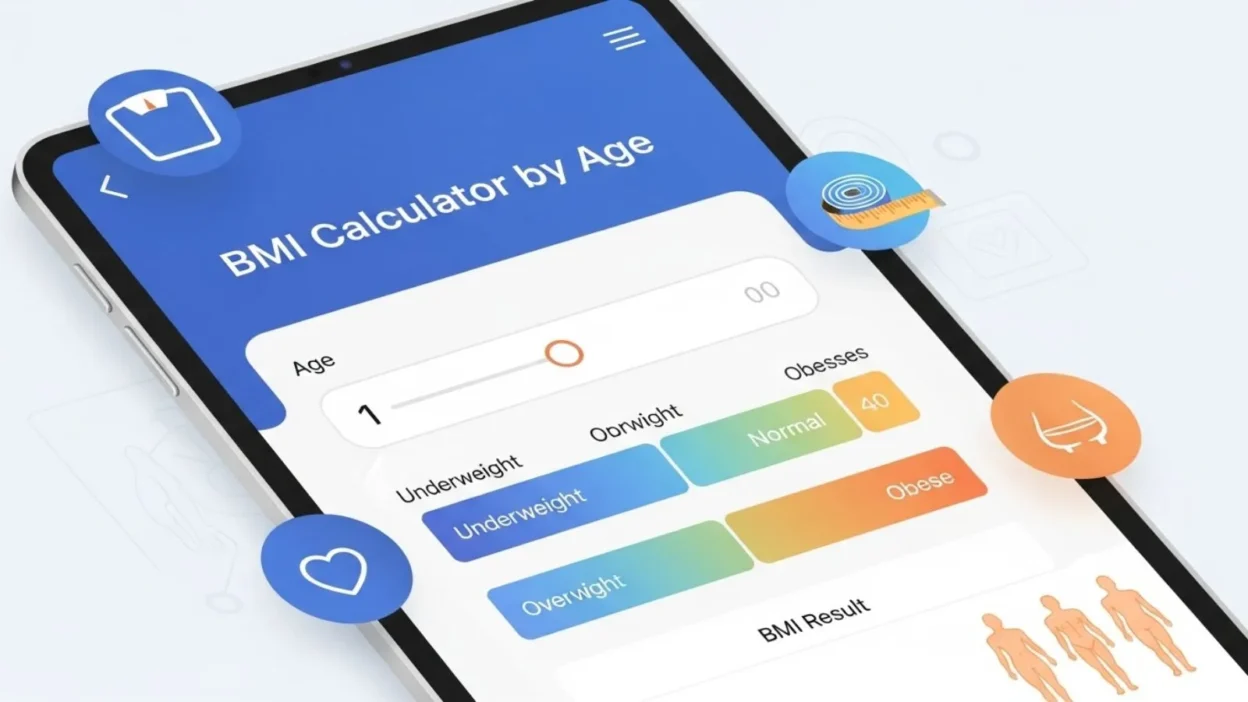
Monitoring your health has never been more important, and one of the simplest ways to do this is by checking your Body Mass Index (BMI).
A BMI calculator by age helps you understand whether your weight is within a healthy range for your height and age.
Unlike standard BMI calculators, age specific tools take into account the natural changes in body composition that occur as we grow, from childhood to adulthood and into senior years.
Children, teens, adults, and older people all have unique health needs, making it essential to interpret BMI results correctly for each age group.
For example, a healthy BMI for a child differs from that of an adult, and older people may benefit from slightly higher BMI ranges to maintain strength and bone health.
Using an age specific BMI calculator can help you track growth, assess health risks, and make informed lifestyle choices. Understanding your BMI is the first step toward better long term health.
What is BMI?
Body Mass Index (BMI) is a simple measurement used to assess whether a person’s weight is within a healthy range for their height. It is calculated using the formula:
BMI=weight (kg)height (m)2\text{BMI} = \frac{\text{weight (kg)}}{\text{height (m)}^2}BMI=height (m)2weight (kg)
BMI is widely used because it provides a quick snapshot of potential health risks associated with being underweight, higher weight, or higher weight. The standard BMI categories are:
- Underweight: BMI below 18.5
- Normal weight: BMI 18.5–24.9
- Higher weight: BMI 25–29.9
- Obesity: BMI 30 and above
However, BMI has its limitations. It does not distinguish between muscle mass and fat, nor does it account for bone density or body composition. This means athletes or individuals with higher muscle mass may have a higher BMI but still be healthy.
Age plays a crucial role in interpreting BMI. For children and teens, BMI is measured using percentiles, which compare a child’s weight and height to others of the same age and gender. Adults have fixed BMI ranges, while older people may require adjusted interpretations since a slightly higher BMI can sometimes indicate better overall health and strength.
Using a BMI calculator by age ensures that these factors are considered, providing a more accurate assessment of your health. Whether you are a parent tracking your child’s growth or an adult monitoring your weight, understanding BMI is an essential step in managing long-term well-being.
Why BMI Changes with Age
BMI is not a static measurement—it naturally changes throughout life due to shifts in metabolism, muscle mass, and body composition. Understanding these changes is crucial for interpreting your BMI accurately at different ages.
In children and teens, BMI fluctuates with growth spurts and puberty. Rapid increases in height or weight can temporarily alter BMI, which is why pediatric BMI is assessed using age- and gender-specific percentiles rather than fixed numbers. Tracking BMI percentiles helps identify healthy growth patterns and potential weight concerns early on.
For adults, metabolism gradually slows with age, making it easier to gain fat even if eating habits remain the same. Muscle mass tends to decrease over time, which can affect BMI readings. Adults with the same BMI may have very different body compositions, emphasizing the importance of interpreting BMI in context with age and lifestyle.
In older adults, the interpretation of BMI shifts again. Slightly higher BMI ranges may be associated with better survival rates, as they can indicate preserved muscle mass and nutritional reserves. Extremely low BMI in older people may signal malnutrition, frailty, or higher risk of illness.
Using a BMI calculator by age allows individuals to account for these natural changes, ensuring more accurate assessments. By considering age-specific factors, BMI becomes a more reliable tool for monitoring health risks and guiding lifestyle decisions throughout life.
How to Use a BMI Calculator by Age
Using a BMI calculator by age is an easy and effective way to monitor your health. Unlike standard BMI calculators, age-specific calculators adjust the interpretation of your results based on natural changes in body composition that occur throughout life.
To use the calculator accurately, start by measuring your height and weight carefully. Stand straight against a wall for height measurement and use a reliable scale for weight. Input these values into the calculator along with your age. Some calculators may also ask for your gender, as this can slightly influence BMI interpretation, especially for children and teens.
Age-specific interpretation is crucial for older adults, as a slightly higher BMI may be healthier than standard adult ranges.
Once you have your results, it’s important to track your BMI over time rather than relying on a single reading. Many online tools and apps allow you to save previous measurements and observe trends. This can help you make informed decisions about diet, exercise, and lifestyle changes, tailored to your age and overall health.
Using an age-specific BMI calculator ensures that your results are meaningful and actionable, making it a powerful tool for maintaining long-term well-being.
BMI Categories and Age Specific Interpretations
Understanding BMI categories is essential for interpreting your results correctly, especially when age is taken into account. While the standard BMI ranges provide a general guideline, age-specific interpretation ensures that health risks are assessed accurately.
For adults, the BMI categories are straightforward:
- Underweight: BMI below 18.5 – may indicate malnutrition or low muscle mass.
- Normal weight: BMI 18.5–24.9 – considered healthy for most adults.
- Higher weight: BMI 25–29.9 – may increase risk of heart disease or diabetes.
- Obesity: BMI 30 and above – associated with higher risks of chronic diseases.
For children and teens, BMI is measured using percentiles rather than fixed numbers. This accounts for growth patterns and gender differences. A child in the 5th percentile is considered underweight, while one in the 85th to 94th percentile is higher weight, and the 95th percentile or above indicates obesity. Tracking these percentiles helps parents and healthcare providers monitor healthy growth.
For older people, BMI interpretation differs slightly. Research suggests that a slightly higher BMI (around 25–27) may be beneficial, as it can indicate preserved muscle mass and energy reserves. Extremely low BMI in older adults can signal frailty or malnutrition, increasing the risk of falls and illness.
Using an age-specific BMI calculator ensures your results are meaningful and actionable. By understanding these categories and how they relate to different life stages, you can better monitor health risks, set realistic goals, and make informed decisions about diet, exercise, and lifestyle tailored to your age group.
Health Implications of BMI by Age
BMI is more than just a number—it’s a useful indicator of potential health risks, and its significance changes depending on age. Understanding these implications helps guide lifestyle choices and preventive care.
For children and teens, being underweight or higher weight can affect growth and development. Low BMI may indicate malnutrition or delayed growth, while high BMI can increase the risk of early onset diabetes, high blood pressure, and heart problems. Monitoring BMI percentiles allows parents and healthcare providers to ensure children develop at a healthy pace.
In adults, abnormal BMI is linked to a range of health concerns. Being higher weight increases the risk of heart disease, stroke, type 2 diabetes, joint issues, and certain cancers. Conversely, being underweight can weaken immunity, reduce bone density, and cause fatigue or nutrient deficiencies. Maintaining a normal BMI helps reduce these risks and promotes long-term health.
For older people, BMI carries slightly different implications. A very low BMI can indicate frailty, muscle loss, or malnutrition, increasing the risk of falls, fractures, and illness. On the other hand, a moderately higher BMI may be protective, helping maintain energy reserves and strength.
It’s important to remember that BMI should not be used in isolation. Combining it with other measurements—such as waist circumference, body fat percentage, and physical activity levels—provides a more complete picture of health. Using an age-specific BMI calculator ensures that individuals receive accurate guidance tailored to their life stage, helping them make informed choices to maintain or improve overall well-being.
Tips for Maintaining a Healthy BMI at Any Age
Maintaining a healthy BMI is essential for overall well-being, and the strategies can vary depending on your age. By adopting age-appropriate habits, you can support a balanced weight, reduce health risks, and improve quality of life.
For children and teens, focus on developing healthy eating patterns and staying active. Encourage a diet rich in fruits, vegetables, whole grains, and lean proteins. Limit sugary drinks and processed foods, and promote regular physical activity such as sports, walking, or cycling. Healthy habits developed early can set the foundation for a lifetime of wellness.
For adults, weight management requires attention to both diet and lifestyle. Incorporate a variety of nutrient-dense foods, control portion sizes, and maintain consistent physical activity. Strength training, cardiovascular exercises, and flexibility routines help preserve muscle mass and metabolic health. Managing stress, getting adequate sleep, and avoiding prolonged sedentary periods are also key.
For older people, maintaining a healthy BMI often focuses on preserving muscle mass and bone strength. Include protein-rich foods, vitamin D, and calcium in your diet, and engage in low-impact exercises such as walking, swimming, or resistance training. Balance exercises can reduce fall risk, while regular activity supports metabolism and cardiovascular health.
Regardless of age, monitoring your BMI regularly using an age-specific calculator helps track progress and detect changes early. Combining a healthy diet, consistent physical activity, and lifestyle adjustments ensures that your BMI remains within a safe range, supporting long-term health and vitality throughout all stages of life.
Common Misconceptions About BMI
While BMI is a widely used health tool, there are several common misconceptions that can lead to confusion if not clarified. Understanding these myths ensures you use a BMI calculator by age correctly and interpret results accurately.
One common misconception is that BMI is a perfect measure of health. In reality, BMI only considers weight relative to height and does not distinguish between fat, muscle, or bone mass. For example, athletes or individuals with high muscle mass may have a high BMI while still being healthy and fit.
Another myth is that BMI doesn’t matter as you get older. Age-specific BMI interpretation is crucial because body composition changes over time. Older people may benefit from slightly higher BMI ranges to preserve muscle and energy reserves, while extremely low BMI can signal malnutrition or frailty.
Some people believe that BMI is the same for everyone, but gender and age play an important role. Children and teens require BMI percentiles to account for growth, while adults and older people have different health implications for the same BMI number.
Finally, many assume that BMI alone can predict health risks. While BMI is a useful screening tool, it should be combined with other measurements such as waist circumference, body fat percentage, blood pressure, and overall lifestyle habits for a comprehensive view of health.
Using an age-specific BMI calculator helps avoid these misconceptions, providing more accurate insights into your body composition and guiding healthier lifestyle decisions throughout every stage of life.
Frequently Asked Questions (FAQs)
1. What is a healthy BMI for children?
For children and teens, BMI is measured using percentiles rather than fixed numbers. A healthy BMI generally falls between the 5th and 84th percentile for their age and gender. Tracking these percentiles helps ensure normal growth and development.
2. Can BMI predict health risks accurately?
BMI is a useful indicator of potential health risks, such as obesity-related heart disease, diabetes, or undernutrition. However, it does not measure muscle mass or fat distribution, so it should be used alongside other metrics like waist circumference, body fat percentage, and lifestyle factors.
3. Should BMI targets change as I age?
Yes. Age-specific BMI interpretation is important because metabolism and body composition change over time. Older people, for example, may benefit from a slightly higher BMI to maintain muscle mass and energy reserves, while extremely low BMI could indicate health risks.
4. Are BMI calculators by age reliable?
Age-specific BMI calculators are more accurate than standard calculators because they account for growth in children and teens and body composition changes in adults and older people. Regular use helps track trends and supports healthier lifestyle choices.
5. How often should I check my BMI?
Checking BMI once every few months is sufficient for most people to monitor trends. More frequent checks may be useful if you are actively managing weight, following a new fitness program, or tracking growth in children.
Conclusion:
Understanding and monitoring your BMI by age is an essential step in maintaining long term health. While BMI is a simple calculation of weight relative to height, its significance changes across life stages, making an age specific approach necessary.
For children and teens, BMI percentiles help track growth and identify potential weight related issues early, ensuring healthy development.
For adults, maintaining a BMI within the normal range reduces the risk of chronic diseases such as heart disease, diabetes, and obesity related complications.
In older people, slightly higher BMI ranges may provide protective benefits, including preserved muscle mass and energy reserves, while very low BMI can signal frailty or malnutrition.
Using an age specific BMI calculator allows you to interpret results more accurately, reflecting natural changes in metabolism, muscle mass, and body composition over time.
However, BMI should never be considered in isolation. Combining it with other health metrics such as waist circumference, body fat percentage, and lifestyle habits provides a more complete picture of your overall well being.
By regularly monitoring your BMI and making age-appropriate lifestyle adjustments, you can maintain a healthy weight, reduce health risks, and improve quality of life.
If you are a parent tracking your child’s growth, an adult managing weight, or a senior focusing on strength and vitality, an age specific BMI calculator is a practical and reliable tool to guide your health journey.
Take control of your well-being today by understanding your BMI and making informed, age appropriate health choices.

Jonathan Bishopson is the punmaster-in-chief at ThinkPun.com, where wordplay meets wit and every phrase gets a clever twist. Known for turning ordinary language into laugh-out-loud lines, Jonathan crafts puns that make readers groan, grin, and think twice. When he’s not busy bending words, he’s probably plotting his next “pun-derful” masterpiece or proving that humor really is the best re-word.