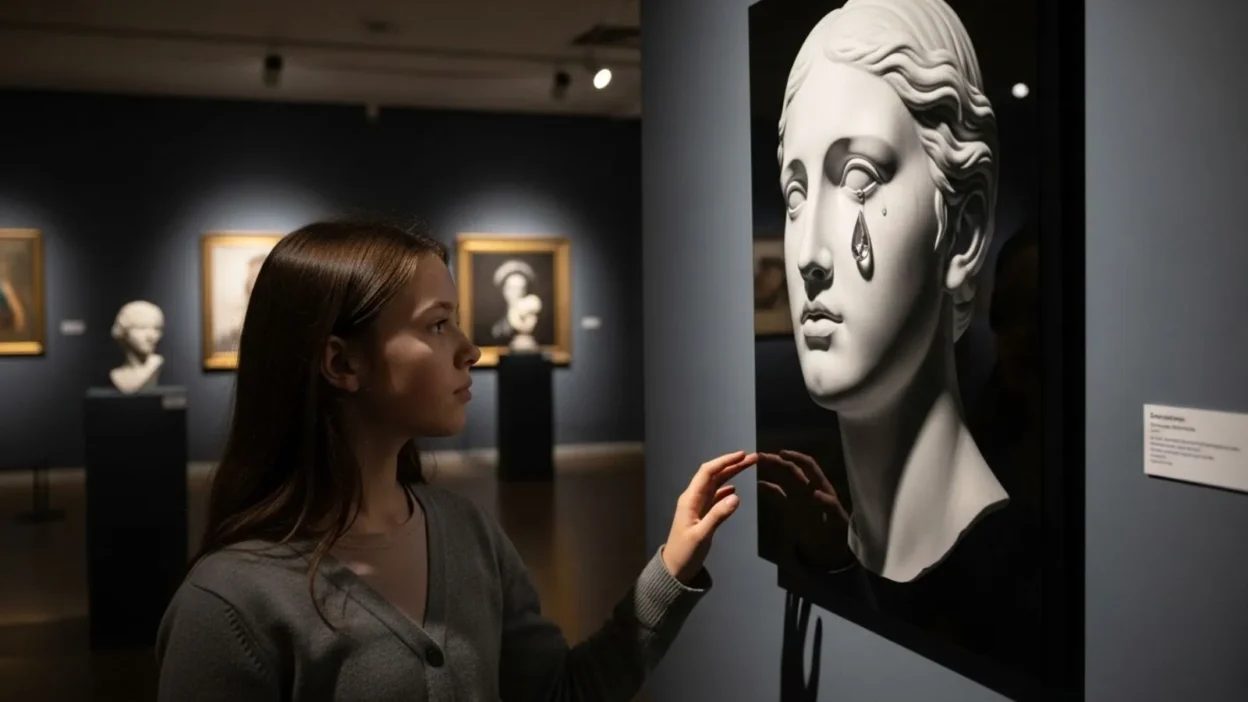
Art surrounds us every day, whether we realize it or not from the paintings hanging in museums to the music playing in the background of our favorite cafés, art shapes how we see and experience the world.
But what exactly is art? The term ART Meaning goes far beyond simple decoration it is a form of expression, a way to communicate ideas, emotions, and culture.
Understanding art helps us appreciate creativity, connect with different cultures, and even reflect on our own feelings.
In this article, we will explore the definition of art, its different types, its historical evolution, and why it remains such an essential part of human life.
If you’re a student, an aspiring artist, or simply curious, this guide will help you uncover the true meaning of art and its impact on society and daily life.
What is Art? Definition and Core Concept
Art is one of the most powerful forms of human expression, yet its meaning can vary widely depending on context, culture, and personal interpretation. At its core, art is the act of creating something that communicates ideas, emotions, or a particular vision to others. It is not limited to a single medium or style—it can be a painting, a sculpture, a dance performance, a song, or even a digital creation.
Traditionally, art has been defined as a work that emphasizes beauty, skill, and emotional resonance. Classical examples include the symmetry and realism of Renaissance paintings or the intricate craftsmanship of ancient sculptures. However, modern definitions of art expand beyond aesthetics, recognizing conceptual works, experimental performances, and digital innovations as valid forms of artistic expression.
Key components of art include creativity, imagination, and communication. While one person may view a painting as a simple arrangement of colors, another might see a story, an emotion, or a reflection of society embedded within it. This subjectivity is what makes art unique—it invites interpretation and dialogue.
Understanding the meaning of art is not just academic; it shapes how we engage with our surroundings, interpret cultural heritage, and even inspire our own creative pursuits. By exploring the core concept of art, we open the door to a richer, more meaningful experience of the world.
Types of Art
Art comes in many forms, each offering unique ways to express creativity and communicate ideas. Understanding the different types of art helps us appreciate the variety of human expression and the ways it impacts our lives.
Visual Arts are perhaps the most familiar. They include painting, sculpture, photography, and drawing. Visual arts often appeal directly to the senses, capturing beauty, emotion, or storytelling in a tangible form. Famous examples include Leonardo da Vinci’s Mona Lisa or Vincent van Gogh’s Starry Night, works that continue to inspire people centuries later.
Performing Arts focus on live expression through music, dance, theater, and performance art. These art forms combine skill, emotion, and storytelling in real time, creating experiences that engage audiences on multiple levels. From classical ballet to modern theater productions, performing arts demonstrate how movement, sound, and emotion can convey ideas as powerfully as visual creations.
Digital and Modern Arts have emerged with technology, expanding the boundaries of artistic expression. Digital illustrations, graphic design, video art, and even NFTs (non-fungible tokens) allow artists to experiment with new mediums and reach global audiences instantly.
Conceptual Art emphasizes the idea behind the creation rather than the physical product. It challenges viewers to think critically, interpret meaning, and question conventions, proving that art is not always about what we see, but what we understand.
By exploring these types of art, we gain insight into the endless ways humans express creativity and connect with each other. Each type offers its own perspective, inviting us to experience the world more deeply.
History and Evolution of Art
The meaning of art has evolved dramatically throughout human history, reflecting cultural, social, and technological changes. From the earliest expressions of creativity to modern innovations, art has always been a mirror of human experience.
Prehistoric art, such as cave paintings in Lascaux, France, or carved figurines like the Venus of Willendorf, served as both storytelling and ritualistic tools. These early works were practical yet deeply symbolic, representing daily life, spirituality, and human imagination.
Classical art emerged in ancient civilizations like Greece and Rome, emphasizing harmony, proportion, and realism. Sculptures, architecture, and frescoes from this era celebrated human achievement, mythology, and cultural ideals. During the Renaissance, art reached new heights with figures like Michelangelo and Leonardo da Vinci, who combined technical skill with emotional depth, establishing a standard for beauty and expression that still influences artists today.
The modern era brought radical shifts. Movements such as Impressionism, Cubism, and Abstract Art challenged traditional notions of beauty and representation, focusing instead on perception, emotion, and innovation. Artists like Pablo Picasso and Claude Monet pushed boundaries, showing that art could be experimental, conceptual, and provocative.
Today, contemporary art embraces technology and new mediums, including digital creations, performance art, and interactive installations. Across history, the meaning of art has shifted from strictly decorative or representational purposes to include personal expression, social commentary, and cultural exploration. Understanding this evolution helps us appreciate art not just as an object, but as a dynamic reflection of humanity itself.
Why Art Matters Significance in Society
Art is more than just a form of expression; it plays a vital role in shaping society, culture, and human understanding. Its significance extends across multiple dimensions, from emotional and educational benefits to cultural preservation and economic impact.
Culturally, art preserves heritage and identity. Traditional music, paintings, sculptures, and performances reflect the values, beliefs, and history of societies. For example, indigenous art not only showcases creativity but also tells the story of a community’s traditions, struggles, and worldview. Through these works, future generations can connect with their roots and maintain cultural continuity.
Emotionally, art has the power to evoke feelings, provoke thought, and foster empathy. A moving performance, a vivid painting, or a compelling song can resonate deeply, allowing people to experience emotions they may not encounter in everyday life. Art encourages reflection, helping individuals process personal experiences or understand perspectives different from their own.
Educationally, engaging with art enhances creativity, critical thinking, and problem-solving. Students and learners exposed to art often develop stronger analytical skills, improved focus, and a greater appreciation for diverse forms of expression.
Finally, art influences society through social commentary and economic impact. Many artists address political, social, or environmental issues through their work, sparking dialogue and inspiring change. Additionally, the art industry contributes significantly to the economy through galleries, museums, exhibitions, and creative professions.
By understanding why art matters, we see that it is not just a pastime or luxury, but an essential part of human development, connection, and expression in everyday life.
How People Experience Art
Art is not limited to museums or galleries; it surrounds us in ways both obvious and subtle. People experience art daily, often without realizing it, through a combination of observation, participation, and digital engagement.
Traditional venues, such as museums and galleries, remain central to experiencing art. Walking through an exhibit allows individuals to view masterpieces up close, analyze techniques, and connect with the historical and cultural context behind each work. For example, seeing a Van Gogh painting in person provides an emotional depth that photos or reproductions cannot fully capture.
Street art and public installations also offer accessible, community-centered encounters with creativity. Murals, sculptures, and urban performances transform ordinary spaces into cultural experiences, allowing people from all walks of life to interact with art without barriers. These forms often serve as social commentary, engaging viewers in conversations about identity, politics, and society.
The rise of digital art has expanded how people engage with creativity. Online galleries, social media platforms, virtual exhibitions, and NFTs (non-fungible tokens) allow audiences worldwide to explore, share, and even collect art. Digital tools also enable users to create their own work, blending technology with imagination in ways previously impossible.
Finally, personal engagement with art—through hobbies like painting, photography, music, or DIY projects—provides an intimate and expressive experience. By exploring art in these diverse ways, people enrich their daily lives, deepen their understanding of culture, and cultivate a lasting appreciation for creativity.
Famous Examples of Art
Throughout history, certain works of art have become iconic, representing not only the creativity of their creators but also the cultural and historical moments in which they were made. These famous examples help us understand the meaning and impact of art more deeply.
In visual arts, Leonardo da Vinci’s Mona Lisa remains one of the most recognized paintings worldwide. Its enigmatic expression and technical mastery continue to captivate viewers, demonstrating how art can evoke curiosity and emotion. Vincent van Gogh’s Starry Night is another classic, celebrated for its vibrant colors and swirling patterns that reflect both the artist’s imagination and emotional intensity.
In performing arts, pieces like Beethoven’s symphonies or Shakespearean plays have influenced generations. Beethoven’s compositions, for example, convey complex emotions without words, while Shakespeare’s plays continue to explore timeless human themes, illustrating how performance can communicate universal ideas.
Modern and contemporary art also provide remarkable examples. Banksy’s street art combines humor, social critique, and visual appeal, sparking conversation on political and societal issues. Digital art, including AI-generated creations, pushes the boundaries of traditional forms, showing how technology and creativity intersect in innovative ways.
These examples reveal that art is not confined to one style, medium, or era. Each work tells a story, communicates emotion, and invites interpretation. By studying famous art, we gain insight into human creativity and the ways art has shaped and continues to influence society.
FAQ:
Q: Can decorating my home be considered art?
A: Absolutely. Interior design, color choices, furniture arrangement, and even small personal touches reflect creativity and aesthetic decisions. This form of applied art enhances our living spaces while expressing personality.
Q: Are digital creations, like memes or videos, considered art?
A: Yes. Digital content often combines humor, storytelling, and visual creativity, making it a modern form of artistic expression. While informal, it still engages audiences and communicates ideas effectively.
Q: How does art influence daily life without me noticing?
A: From advertisements and social media visuals to product packaging and fashion, art shapes the way we perceive and interact with the world. Colors, design, and imagery influence mood, decisions, and cultural awareness subtly but powerfully.
Q: Can anyone experience art personally?
A: Definitely. Activities like painting, photography, writing, music, or even cooking creatively allow individuals to engage with art directly. These experiences provide emotional satisfaction, spark imagination, and encourage self-expression.
Conclusion:
Art is a fundamental part of human life, encompassing creativity, expression, and cultural connection.
From ancient cave paintings to modern digital creations, art has continually evolved, reflecting society, emotions, and ideas across time.
Understanding the meaning of art allows us to appreciate not only masterpieces in museums but also the creativity present in everyday life, from home décor to digital media.
Art matters because it educates, inspires, and connects us. It preserves cultural heritage, evokes emotions, challenges perspectives, and encourages personal expression.
Engaging with art if by viewing, creating, or simply observing enriches our lives and deepens our understanding of the world around us.
By exploring its definitions, types, history, and impact, we see that art is far more than aesthetic enjoyment it is a reflection of humanity itself.
Embracing art in all its forms allows us to experience life with greater creativity, empathy, and insight.