
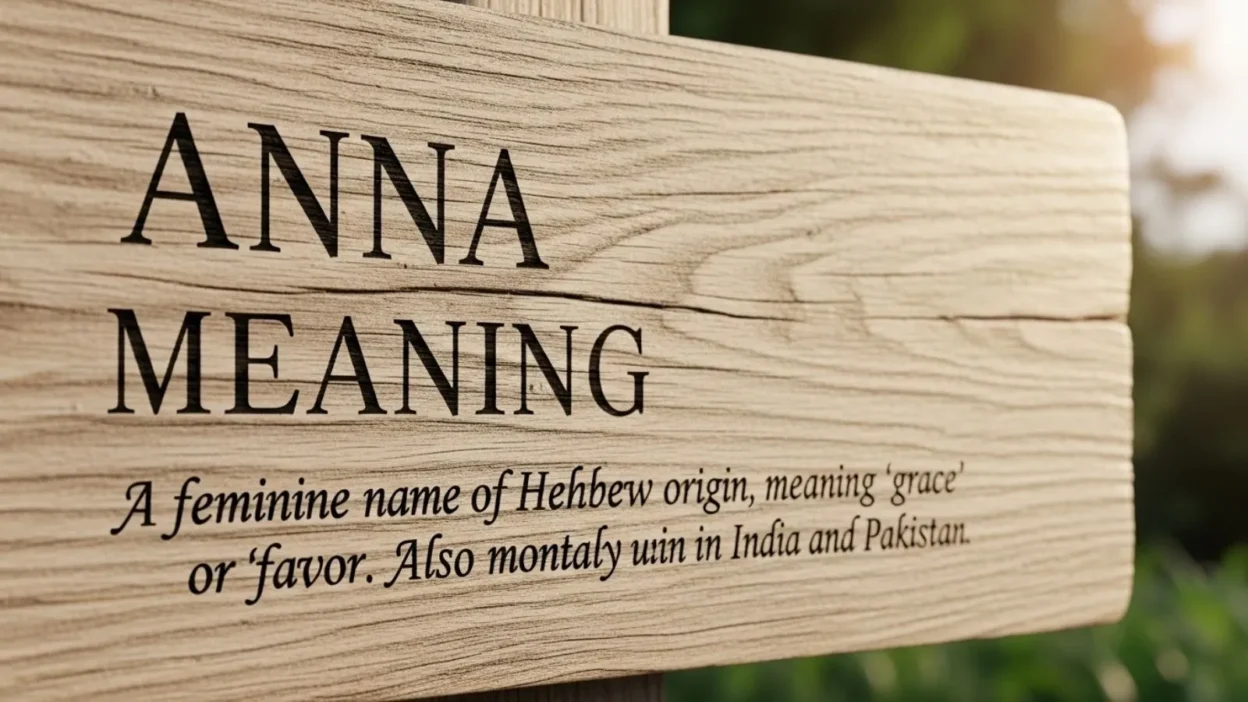
The name Anna is one of the most timeless and beloved names across the world, cherished for its elegance, simplicity, and universal appeal. But have you ever wondered what Anna really means?
Rooted in history and culture, Anna carries a rich legacy that spans centuries, from biblical references to royal lineages and famous literary characters. Its meaning, often associated with “grace” or “favor,” reflects qualities admired across generations, making it a favorite choice for parents naming their daughters.
Beyond just its literal definition, the name Anna evokes a sense of warmth, charm, and sophistication that transcends borders.
In this article, we’ll explore everything about Anna from its origins and cultural significance to personality traits and modern-day popularity.
If you’re a parent searching for the perfect name, curious about your own, or simply fascinated by the story behind names, this guide will uncover the full meaning and enduring charm of Anna.
What Does the Name Anna Mean?
The name Anna is widely celebrated for its simplicity and timeless charm, but its meaning goes much deeper than just being a popular choice. Originating from Hebrew, the name Anna is often interpreted to mean “grace” or “favor”, reflecting a sense of kindness, elegance, and divine blessing. This meaning has contributed to its enduring popularity over centuries, making it a name that resonates across cultures and generations.
In different languages, Anna takes on slightly varied forms, but the core meaning remains consistent. For example, in Latin, it carries similar connotations of grace and beauty, while in Slavic countries, it has been associated with warmth, kindness, and a gentle personality. This universality makes Anna a name that is not only easy to pronounce but also universally admired.
Beyond its literal meaning, the name Anna often symbolizes qualities such as compassion, intelligence, and resilience. Many believe that the name can influence the personality or aura of those who bear it, reinforcing positive traits like charm and poise.
Whether used in historical texts, literature, or modern culture, Anna continues to represent elegance and timeless beauty. Its ability to transcend languages, borders, and eras makes it one of the most cherished names worldwide. Understanding the meaning of Anna allows parents, name enthusiasts, and curious readers alike to appreciate not just a name, but the story and grace it carries.
Origin and Historical Background of Anna
The name Anna has a rich and fascinating history that stretches back thousands of years. Its roots can be traced to ancient Hebrew, where it is derived from the name Hannah, meaning “grace” or “favor”. This connection gives Anna a spiritual and historical depth, which is one reason it has remained beloved across generations.
Anna appears prominently in biblical texts, most notably as the prophetess Anna in the New Testament, who recognized the infant Jesus in the temple. This early religious reference helped cement the name’s popularity throughout Christian communities in Europe. During the medieval period, Anna became a common name among royalty and nobility, especially in countries like Russia, Germany, and Poland, adding a sense of prestige and refinement to the name.
The name’s historical significance is not limited to religion or royalty. It was frequently used in literature, art, and folklore, symbolizing purity, grace, and virtue. Over time, Anna spread across different continents and cultures, becoming one of the most universally recognized and admired names.
Its ability to remain timeless and adaptable has kept Anna in favor for centuries. From ancient Hebrew origins to modern usage, the name carries with it stories of faith, elegance, and cultural richness. Understanding Anna’s origin and historical background provides not just insight into its literal meaning, but also the depth and legacy that make it an enduring favorite worldwide.
Cultural Significance of the Name Anna
The name Anna holds a remarkable cultural significance that spans continents, languages, and traditions. Its universal appeal lies in its simplicity, elegance, and deep-rooted meaning of “grace” or “favor”, making it a favorite choice for parents around the world. In many European countries, including Germany, Italy, and Russia, Anna has historically been a symbol of nobility, refinement, and moral virtue. Royal families often chose the name for princesses and queens, adding a touch of prestige and tradition to its cultural identity.
In literature and the arts, Anna has frequently appeared as a character embodying kindness, intelligence, and resilience. From classic novels to modern films, characters named Anna are often portrayed as graceful and morally upright, reinforcing the positive associations of the name. This portrayal contributes to its continued popularity in storytelling and media, influencing parents who seek meaningful names for their children.
Beyond Europe, the name Anna is also embraced in Asia, the Americas, and Africa, often adapted to local pronunciation while retaining its essence. Its versatility and ease of pronunciation make it accessible and appealing across cultures, reflecting values such as compassion, warmth, and elegance.
Whether in religious texts, royal history, literature, or modern media, the name Anna carries a sense of timeless grace and universal charm. Understanding its cultural significance helps explain why Anna continues to be one of the most enduring and beloved names worldwide, connecting generations and traditions through a single, elegant name.
Famous People Named Anna
The name Anna has been carried by countless influential figures throughout history, giving it a lasting legacy and adding to its universal appeal. One of the earliest notable Annas is Saint Anna, the mother of the Virgin Mary, whose devout life and faith have made her a revered figure in Christian traditions. Her story helped popularize the name in religious communities across Europe, particularly during the Middle Ages.
Royalty has also embraced the name, with queens and princesses named Anna appearing in countries like Russia, Sweden, and England. These historical figures often embodied elegance, leadership, and grace, reinforcing the qualities associated with the name. Their prominence in society contributed to the widespread use of Anna among aristocratic families and commoners alike.
In modern times, Anna continues to be a name linked to creativity, talent, and success. Celebrities such as Anna Kendrick, an acclaimed American actress and singer, and Anna Wintour, the influential editor-in-chief of Vogue, showcase the name’s association with intelligence, charisma, and cultural impact. Even in literature and cinema, fictional Annas—like Anna Karenina from Tolstoy’s classic novel—have captured hearts and imaginations, portraying strength, complexity, and elegance.
These famous Annas, past and present, have not only elevated the name but also shaped its perception as a symbol of grace, intelligence, and resilience. Knowing about these figures adds depth to the meaning of Anna, showing that it is more than a name—it represents a legacy of influence, culture, and inspiration across generations.
Personality Traits Associated with Anna
The name Anna is often associated with a set of personality traits that reflect its meaning of “grace” and “favor”. People named Anna are commonly seen as kind, compassionate, and approachable, often leaving a positive impression on everyone they meet. Their gentle nature combined with a quiet strength makes them natural friends, leaders, and caregivers.
In addition to warmth and kindness, Annas are frequently described as intelligent and thoughtful. They tend to think before they act, making well-considered decisions and showing emotional maturity beyond their years. This combination of grace and wisdom contributes to the perception of Anna as a name linked to elegance, poise, and reliability.
Many studies on names and personality suggest that individuals often internalize the qualities associated with their names. For Anna, this may reinforce behaviors such as patience, empathy, and creativity. In social settings, Annas are often admired for their calm demeanor and ability to mediate conflicts, making them trusted friends and partners.
Culturally, Anna has consistently been used for characters in literature and film who display resilience, integrity, and charm, reinforcing the traits associated with the name. From historical figures to modern celebrities, Annas are portrayed as individuals who combine intelligence with warmth, and determination with grace.
Understanding the personality traits linked with the name Anna gives insight into why it remains a timeless choice. It is more than just a name; it is a reflection of character, values, and the enduring appeal of graceful and capable individuals.
Variations and Nicknames of Anna
One of the reasons the name Anna is so popular worldwide is its versatility. Across different languages and cultures, Anna has numerous variations and nicknames that maintain its elegance while adding unique flair. The most common variant is Hannah, its original Hebrew form, which also carries the meaning of “grace” or “favor.” In Latin-based languages, it appears as Ana, often used in Spain, Portugal, and Latin America. Other variations include Annika in Scandinavia, Anya in Russia, and Anne in English-speaking countries.
Nicknames for Anna are equally charming and affectionate. Names like Annie, Ann, or Nana are often used by family and friends, providing a casual and intimate touch while preserving the core identity of the name. In some cultures, diminutives like Anushka or Anni give a modern or playful twist, making the name suitable for all ages.
These variations and nicknames not only enrich the cultural presence of Anna but also make it highly adaptable. Parents looking for a traditional name can choose Anna, while those seeking something unique or regionally inspired can select a variation that fits their heritage or preference.
The flexibility of Anna highlights its timeless appeal. Whether it’s a formal Anna, a friendly Annie, or a regional variant like Anya, the name carries the same grace and positive meaning across all forms. Its adaptability ensures it remains beloved and relevant, no matter the language or culture.
Popularity Trends of Anna Over Time
The name Anna has consistently been a favorite across generations, maintaining its timeless appeal while adapting to changing trends. Historically, Anna gained widespread recognition in Europe due to its biblical origins and royal associations. During the Middle Ages and Renaissance, it was common among queens, princesses, and noble families, which contributed to its prestige and cultural significance.
In the modern era, Anna has remained remarkably popular in many countries. In the United States, it consistently appears in the top 100 baby girl names, while in European countries such as Germany, Sweden, and Poland, it has been a top choice for decades. Its short, elegant form and easy pronunciation have made it accessible and enduring, even as naming trends shift toward more unconventional options.
The adaptability of Anna has also contributed to its popularity. Variants like Anya, Annika, and Ana have allowed the name to remain fresh and culturally relevant in different regions. Even in contemporary pop culture, celebrities and fictional characters named Anna continue to inspire parents, keeping the name in the public eye.
Looking ahead to 2026, Anna is expected to remain a beloved choice for parents who want a classic, meaningful, and internationally recognizable name. Its enduring charm lies in its simplicity, elegance, and the positive qualities it evokes—grace, intelligence, and warmth. Whether chosen for tradition, culture, or personal significance, Anna continues to be a timeless name that transcends generations.
How to Choose Anna as a Name Today
Choosing a name for a child is an important decision, and Anna remains a timeless choice for modern parents seeking elegance, simplicity, and meaning. One of the main reasons Anna continues to resonate is its versatility—it works beautifully across cultures, languages, and generations. Whether parents are drawn to tradition or modern appeal, Anna fits seamlessly in both contexts.
When considering Anna, parents often look at its meaning and significance. Rooted in grace and favor, the name carries a positive and inspiring aura that reflects qualities like kindness, intelligence, and charm. For families who value heritage, Anna’s biblical and historical roots provide depth and cultural resonance.
Another factor is adaptability. Anna pairs well with a wide variety of middle and last names, and its variations—such as Annie, Ana, or Anya—allow parents to personalize it for their child’s personality and family traditions. Parents can also consider its popularity: while Anna is well-known, it isn’t overly trendy, ensuring that it remains classic rather than fleeting.
Finally, parents should reflect on the personal connection. Names often carry emotional weight, and choosing Anna can honor family traditions, cultural heritage, or simply the qualities parents hope their child will embody. With its timeless charm, positive meaning, and universal appeal, Anna remains a thoughtful and elegant choice for children in 2026 and beyond.
Fun Facts and Trivia About Anna
The name Anna is not only timeless and meaningful but also rich in fun facts and cultural trivia that make it even more fascinating. One interesting fact is that Anna is one of the oldest names still in use today, with origins tracing back thousands of years to ancient Hebrew, where it means “grace” or “favor.” This longevity shows how enduring and universally admired the name has been throughout history.
Anna is also a favorite among royalty and saints. Many queens in Europe, particularly in Russia, Sweden, and England, have carried the name, often symbolizing elegance, leadership, and grace.
FAQs About the Name Anna
1. What does the name Anna mean?
The name Anna originates from Hebrew and means “grace” or “favor.” It symbolizes kindness, elegance, and a timeless charm that has made it popular across generations and cultures.
2. What is the origin of the name Anna?
Anna traces its roots to the Hebrew name Hannah. It gained widespread use in Europe through religious texts, historical figures, and royalty, and has remained a beloved name worldwide.
3. Are there any variations of Anna?
Yes! Variations include Hannah, Ana, Annika, Anya, and Anne. Nicknames like Annie, Ann, or Nana are also common, allowing for personalization and cultural adaptation.
4. What personality traits are associated with Anna?
People named Anna are often seen as graceful, kind, intelligent, and compassionate. They tend to display poise, emotional maturity, and resilience, making the name synonymous with elegance and warmth.
5. Is Anna a popular name today?
Yes. Anna continues to rank highly in baby name charts across Europe, the Americas, and Asia. Its timeless appeal, simplicity, and cultural versatility ensure it remains relevant in 2026.
Conclusion
The name Anna is much more than a simple, timeless choice it is a name rich in meaning, history, and cultural significance. Originating from Hebrew, meaning “grace” or “favor,”
Anna has been cherished across generations, from biblical figures and royalty to modern celebrities and beloved fictional characters. Its elegance, simplicity, and universal appeal make it a name that transcends borders and cultures.
Its many variations like Anya, Anne, or Annika allow it to adapt to different cultures while preserving its essence.
If chosen for tradition, personal significance, or sheer elegance, Anna remains a timeless, meaningful, and globally loved name.

Jonathan Bishopson is the punmaster-in-chief at ThinkPun.com, where wordplay meets wit and every phrase gets a clever twist. Known for turning ordinary language into laugh-out-loud lines, Jonathan crafts puns that make readers groan, grin, and think twice. When he’s not busy bending words, he’s probably plotting his next “pun-derful” masterpiece or proving that humor really is the best re-word.