When we hear about building muscles, repairing tissues, or even storing energy, the word anabolism is at the heart of these processes. But what exactly is anabolism, and why does it matter?
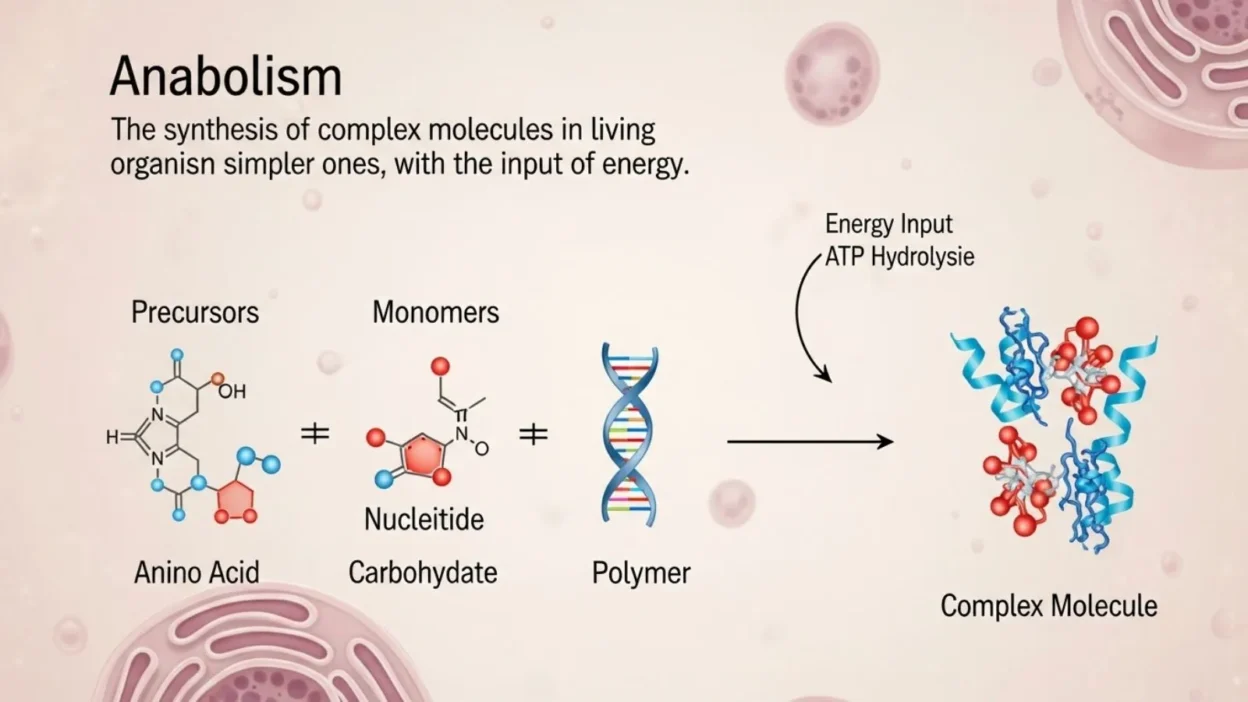
In simple terms, anabolism is the metabolic process where the body builds complex molecules from simpler ones, such as creating proteins from amino acids or storing glucose as glycogen.
It’s the “construction crew” of your metabolism, working tirelessly to grow, repair, and maintain your body. Understanding anabolism meaning is not just for biology students it’s crucial for fitness enthusiasts, health conscious individuals, and anyone curious about how their body works.
From promoting muscle growth to supporting recovery and energy storage, anabolic processes influence everyday health more than most people realize.
In this article, we’ll break down anabolism in simple terms, explore its importance, compare it with catabolism, and offer practical tips to support these essential building processes naturally.
Definition of Anabolism
Anabolism is a fundamental part of metabolism, representing the body’s building and synthesis processes. In simple terms, it’s the set of chemical reactions that construct complex molecules from simpler ones, requiring energy in the process. Think of anabolism as your body’s “construction team,” assembling the building blocks needed for growth, repair, and maintenance.
One of the most common examples of anabolism is protein synthesis, where amino acids are linked together to form proteins. These proteins are essential for building muscles, repairing tissues, and producing enzymes that drive countless bodily functions. Another example is glycogen formation, where glucose molecules are stored in the liver and muscles for future energy use. Even lipid synthesis, the creation of fats from simpler molecules, falls under anabolic processes.
It’s important to distinguish anabolism from catabolism, which involves breaking down complex molecules into simpler ones to release energy. While catabolism is about energy extraction, anabolism is about energy consumption to build and maintain the body’s structures.
Understanding the meaning of anabolism helps explain how our bodies grow, recover from injuries, and store energy efficiently. By supporting anabolic processes through proper nutrition, exercise, and hormonal balance, we can optimize muscle growth, repair tissues faster, and maintain overall health.
How Anabolism Works in the Body
Anabolism is all about building and energy consumption. Unlike catabolic processes, which break down molecules for energy, anabolic reactions use energy to create complex molecules essential for life. These reactions are driven by enzymes and energy molecules such as ATP (adenosine triphosphate), which act like fuel for the body’s construction processes.
One of the most well-known anabolic processes is protein synthesis. After you eat protein-rich foods, your body breaks them down into amino acids. During anabolism, these amino acids are reassembled into new proteins that repair muscles, support organ function, and form enzymes. Similarly, glycogen synthesis stores glucose molecules in the liver and muscles as a reserve for future energy needs, while lipid synthesis converts excess nutrients into fat for long-term energy storage.
Hormones play a major role in regulating anabolism. Insulin, growth hormone, and testosterone are key drivers that signal cells to build and store molecules. Without these signals, anabolic processes slow down, making tissue repair and growth less efficient.
Anabolism happens constantly, even when you’re at rest. For example, your body repairs minor tissue damage while you sleep, forms new cells, and maintains organs and muscles. By understanding how anabolism works in the body, we can see why proper nutrition, rest, and exercise are essential for supporting these vital building processes.
In essence, anabolism is the body’s way of turning simple molecules into the structures and energy stores that keep us healthy and active.
Importance of Anabolism
Anabolism is essential for growth, repair, and overall health, making it a cornerstone of metabolism. Without anabolic processes, the body wouldn’t be able to build new tissues, recover from injuries, or maintain proper organ function. It’s the reason our muscles grow after exercise, wounds heal, and bones stay strong.
One of the most noticeable benefits of anabolism is muscle growth. When you engage in strength training or physical activity, muscle fibers experience minor damage. Anabolic processes rebuild these fibers stronger and larger by synthesizing new proteins, helping you gain strength and endurance over time. Similarly, anabolism supports tissue repair, ensuring that organs, skin, and internal systems recover efficiently after stress or injury.
Anabolism also plays a crucial role in energy storage. By converting excess nutrients into glycogen and fats, the body creates reserves that can be used during periods of fasting or high activity. This balance between building and storing energy keeps the metabolism running smoothly.
Hormones like insulin, growth hormone, and testosterone regulate these processes, signaling the body when to build and store molecules. Maintaining proper nutrition, sleep, and exercise routines helps support these anabolic processes naturally.
In short, anabolism isn’t just a biological concept—it’s the foundation for health, fitness, and recovery. Understanding its importance allows students, athletes, and health-conscious individuals to make informed choices that enhance muscle growth, tissue repair, and overall metabolic function. By supporting anabolism, we can optimize our body’s ability to grow, heal, and maintain energy efficiently.
Factors That Influence Anabolism
Anabolism is influenced by a combination of nutrition, hormones, exercise, and lifestyle factors. Understanding these elements can help optimize the body’s ability to build and repair tissues efficiently.
Nutrition is a major factor. Consuming adequate proteins, carbohydrates, and healthy fats provides the building blocks needed for anabolic processes. Proteins supply amino acids for muscle repair, while carbohydrates fuel glycogen storage and energy production. Micronutrients like vitamins and minerals also support enzyme function critical for anabolism.
Hormones play a key role in regulating anabolism. Insulin helps store nutrients and promotes glycogen and protein synthesis, while growth hormone and testosterone stimulate muscle growth and tissue repair. A hormonal imbalance can slow anabolic processes and reduce overall growth and recovery.
Exercise, particularly resistance and strength training, triggers anabolic responses by creating micro-tears in muscle fibers, which the body repairs stronger through protein synthesis. Regular exercise, combined with proper nutrition, maximizes the anabolic potential.
Lifestyle factors also affect anabolism. Adequate sleep allows the body to release growth hormones and repair tissues, while stress management prevents excess cortisol, which can be catabolic and hinder anabolic processes. Age and genetics can influence how efficiently anabolism occurs, but maintaining a balanced lifestyle helps support it naturally.
In summary, anabolism thrives when the body receives the right fuel, hormonal support, physical activity, and rest. Optimizing these factors helps improve muscle growth, tissue repair, and overall metabolic health, making an understanding of these influences essential for anyone focused on fitness or wellness.
Anabolism vs. Catabolism
To fully understand anabolism, it’s important to compare it with catabolism, the other main branch of metabolism. While anabolism focuses on building and storing, catabolism is about breaking down molecules to release energy. Together, they maintain the body’s metabolic balance.
Anabolism uses energy to construct complex molecules from simpler ones. Examples include protein synthesis for muscle growth, glycogen storage in muscles and liver, and fat formation for long-term energy. It requires energy input, often from ATP, to assemble molecules essential for growth, repair, and maintenance.
On the other hand, catabolism breaks down large molecules like carbohydrates, fats, and proteins into smaller units, releasing energy in the process. For example, glucose is broken down during cellular respiration to produce ATP, which powers anabolic and other cellular processes.
The balance between these two processes is vital. If anabolism dominates, it may lead to excess fat storage. If catabolism dominates, it can cause muscle loss, fatigue, or slow recovery. Maintaining the right balance ensures the body grows, repairs, and functions efficiently.
Hormones also regulate this balance. Insulin, growth hormone, and testosterone promote anabolic activities, while cortisol and glucagon trigger catabolic reactions during stress or fasting.
Understanding anabolism vs. catabolism helps individuals optimize fitness, recovery, and metabolism. By supporting anabolic processes while managing catabolic triggers, we can maintain a healthy, functional, and strong body.
Real Life Examples of Anabolic Processes
Anabolism isn’t just a scientific term—it happens constantly in our daily lives, keeping our bodies healthy, strong, and functional. Understanding real-life examples makes it easier to see how these processes impact health, fitness, and recovery.
One of the most familiar examples is muscle growth after exercise. During strength training or resistance workouts, muscle fibers experience tiny micro-tears. Anabolic processes then rebuild these fibers by synthesizing new proteins, making the muscles stronger and larger over time. This is why proper nutrition and rest are crucial after workouts—they provide the building blocks and energy the body needs for anabolism.
Another example is tissue repair. When you get a cut or bruise, your body relies on anabolic processes to produce new cells and proteins, healing the damaged tissue efficiently. Similarly, bone growth and maintenance depend on anabolic reactions to build and strengthen bone tissue throughout life.
Energy storage is also an anabolic process. Excess glucose from food is converted into glycogen in muscles and the liver, while fats are synthesized for long-term energy reserves. These processes ensure that your body has fuel available for periods of activity or fasting.
Even cellular maintenance and the production of enzymes, hormones, and other essential molecules are driven by anabolic reactions. Without these processes, growth, repair, and energy management would be impossible.
In short, real-life examples of anabolism—from muscle growth to energy storage and tissue repair—demonstrate how vital these building processes are for overall health and daily function. Recognizing them helps us make informed choices about nutrition, exercise, and lifestyle to naturally support our metabolism.
Common Misconceptions About Anabolism
Despite being a fundamental part of metabolism, anabolism is often misunderstood. Clearing up these misconceptions helps students, fitness enthusiasts, and health-conscious readers better understand how their bodies function.
One common myth is that anabolism only happens in people taking steroids or supplements. While anabolic steroids can artificially enhance certain anabolic processes, natural anabolism occurs in everyone. Every time the body repairs tissue, builds muscle, or stores energy, it is engaging in anabolic activity. Nutrition, hormones, and exercise naturally regulate these processes without the need for synthetic substances.
Another misconception is that more protein automatically leads to more muscle growth. While protein is essential for anabolic processes like muscle repair, excess protein alone cannot force the body to build muscle. Strength training and hormonal balance are also required to trigger and sustain anabolic responses.
Some people also believe that anabolism only occurs during exercise. In reality, anabolic processes happen continuously, even while sleeping, digesting food, or recovering from minor injuries. Sleep is particularly important because growth hormone, a key anabolic hormone, is released primarily during deep sleep.
Lastly, many confuse anabolism with catabolism, thinking they are the same. The truth is, anabolism builds, while catabolism breaks down, and both are necessary for maintaining metabolic balance. Understanding this distinction can help individuals make better lifestyle, nutrition, and exercise choices.
By dispelling these myths, we can see that anabolism is a natural, essential process that supports growth, repair, and energy storage in everyday life. Recognizing how it works empowers people to optimize their health, fitness, and metabolism effectively.
Practical Tips to Support Anabolism
Supporting anabolic processes in your body doesn’t require complicated strategies—small, consistent lifestyle choices can make a big difference. By optimizing nutrition, exercise, and recovery, you can naturally enhance anabolism for muscle growth, tissue repair, and overall health.
Nutrition is the foundation. Consuming adequate protein provides amino acids, the building blocks for muscle and tissue repair. Including complex carbohydrates helps replenish glycogen stores, while healthy fats support hormone production, including anabolic hormones like testosterone. Spreading protein intake throughout the day can also maintain a steady anabolic state.
Exercise is another key factor. Resistance training and strength exercises create micro-tears in muscles, which trigger anabolic repair and growth. Combining compound movements like squats, deadlifts, and bench presses with proper rest maximizes anabolic responses.
Recovery and sleep are equally important. During deep sleep, the body releases growth hormone, a crucial anabolic hormone. Prioritizing 7–9 hours of quality sleep helps repair tissues and maintain muscle mass. Managing stress is also vital because high cortisol levels can suppress anabolic activity and increase catabolic effects.
Hormonal balance plays a role too. Maintaining a healthy lifestyle with regular exercise, balanced nutrition, and stress management naturally supports the hormones responsible for anabolism.
By integrating these tips—balanced diet, targeted exercise, adequate rest, and stress management—you can boost your body’s anabolic potential. Understanding and supporting anabolism allows you to optimize muscle growth, tissue repair, energy storage, and overall metabolic health, making it a cornerstone of fitness and wellness.
Frequently Asked Questions About Anabolism
1. What is anabolism?
Anabolism is a metabolic process where the body builds complex molecules from simpler ones, using energy. It includes protein synthesis, glycogen storage, and fat formation, essential for growth, repair, and energy storage.
2. How is anabolism different from catabolism?
Anabolism builds and stores molecules, consuming energy in the process, while catabolism breaks down molecules to release energy. Both processes work together to maintain a balanced metabolism.
3. What are examples of anabolic processes?
Common examples include muscle growth after exercise, tissue repair, bone formation, glycogen storage, and fat synthesis. These processes occur naturally throughout the day, even during rest and sleep.
4. Which hormones support anabolism?
Key anabolic hormones include insulin, growth hormone, and testosterone. These hormones signal cells to build proteins, store energy, and repair tissues efficiently.
5. How can I naturally support anabolism?
You can support anabolism through proper nutrition (adequate protein, carbs, and fats), resistance exercise, quality sleep, and stress management. Avoiding excessive catabolic triggers like chronic stress helps maintain the balance.
6. Does anabolism only happen in athletes?
It’s responsible for everyday growth, repair, and energy storage, not just muscle building in athletes.
7. Can diet alone increase anabolism?
While nutrition is important, diet alone cannot maximize anabolism. Exercise, hormonal balance, and recovery are also essential to trigger and sustain anabolic processes effectively.
Conclusion
Anabolism is a vital metabolic process that allows the body to build complex molecules from simpler ones, fueling growth, repair, and energy storage.
From muscle growth and tissue repair to glycogen and fat storage, anabolic processes occur continuously, even during rest and sleep.
Understanding anabolism meaning is not only important for biology students but also for anyone interested in fitness, health, and overall well-being.
Supporting anabolism involves a combination of balanced nutrition, resistance exercise, adequate sleep, and stress management, all of which optimize the body’s natural ability to build and repair.
Recognizing the difference between anabolism and catabolism helps maintain metabolic balance, ensuring efficient energy use and muscle development.
By applying these insights, readers can enhance muscle growth, recovery, and metabolic health, making anabolism a cornerstone of a healthy lifestyle.