
As we age, our bodies undergo various changes, and one of the most significant is how our blood pressure evolves over time.
Blood pressure, the force of blood against the walls of your arteries, tends to rise as you get older.
While some degree of increase is natural, unmanaged high blood pressure, or hypertension, can lead to serious health risks like heart disease, stroke, and kidney failure.
Understanding the connection between age and blood pressure is crucial for taking proactive steps to manage it and ensure long-term health.
This article explores how blood pressure levels change throughout life, the risks of hypertension in older adults, and how to effectively manage blood pressure through lifestyle changes, diet, and, when necessary, medication.
If you’re in your 20s or your 70s, it’s never too early or too late to start taking care of your heart health. Let’s dive into the ways age affects your blood pressure and how you can maintain it at a healthy level.
What is Blood Pressure?
Blood pressure refers to the force of blood pushing against the walls of your arteries as your heart pumps it around your body. It’s measured using two numbers: systolic pressure (the top number) and diastolic pressure (the bottom number). Systolic pressure measures the force when your heart beats, while diastolic pressure gauges the force when your heart rests between beats.
A normal blood pressure is typically around 120/80 mm Hg. High blood pressure, or hypertension, is diagnosed when readings consistently exceed 130/80 mm Hg, a condition that often develops over many years without noticeable symptoms. When blood pressure is elevated for long periods, it can cause damage to blood vessels, the heart, and other organs.
Blood pressure fluctuates throughout the day, influenced by factors like physical activity, stress, sleep, and diet. However, chronic high blood pressure can be particularly dangerous, as it may not show noticeable signs, yet it places increased strain on the cardiovascular system.
The importance of blood pressure extends beyond just the heart. Elevated blood pressure is linked to several severe health conditions, including heart disease, stroke, kidney failure, and vision problems. Early detection and management of blood pressure are key to preventing these long-term complications.
As we age, our blood pressure often changes. In the next section, we’ll discuss how blood pressure typically shifts across different age groups and why these changes occur.
How Blood Pressure Changes with Age
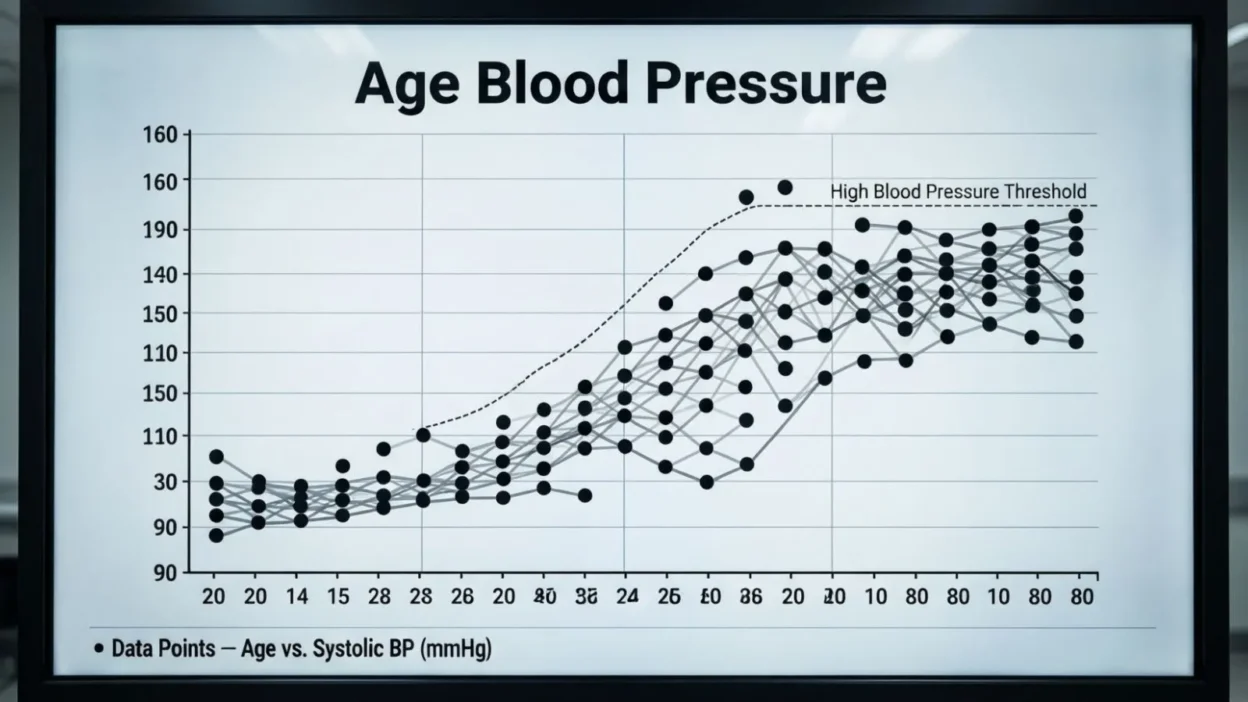
As we age, our blood pressure naturally tends to rise. This change can be attributed to several factors, including the stiffening of arteries, changes in hormonal levels, and lifestyle factors that accumulate over time. Let’s break down how blood pressure tends to shift at different life stages:
Under 30s:
In younger adults, blood pressure is typically at its lowest. Most healthy individuals in this age group maintain a normal range of around 120/80 mm Hg. However, lifestyle factors like poor diet, lack of exercise, and high levels of stress can still cause fluctuations. Hypertension is relatively rare in this group but can begin to develop due to an unhealthy lifestyle or genetic predispositions.
30s to 50s:
Blood pressure begins to gradually rise as we enter middle adulthood. This increase is often linked to weight gain, sedentary lifestyles, stress, and dietary habits, particularly excessive salt intake. In this age group, pre-hypertension or stage 1 hypertension may develop, meaning blood pressure readings start to exceed 120-139/80-89 mm Hg. Early intervention can help prevent further escalation.
Over 60s:
In older adults, the most noticeable change is the increase in systolic blood pressure (the upper number), often due to arterial stiffness. As arteries lose their elasticity over time, the heart has to work harder to pump blood, which increases systolic pressure. Diastolic pressure (the lower number) may remain stable or even decrease. This can lead to isolated systolic hypertension, which is common in the older people.
The Role of Arteries and Blood Vessels with Age
One of the primary factors behind the rise in blood pressure as we age is the gradual loss of arterial elasticity. Our arteries, which are responsible for carrying blood from the heart to the rest of the body, naturally become stiffer over time. This stiffening occurs due to the accumulation of plaque (a mixture of fat, cholesterol, and other substances) and the breakdown of collagen fibers in the arterial walls.
In younger individuals, arteries are more flexible, allowing blood to flow easily with each heartbeat. However, as we age, the walls of the arteries lose their ability to expand and contract as efficiently. This reduced flexibility means the heart has to pump harder to push blood through the vessels, leading to higher systolic pressure (the upper number of a blood pressure reading).
The stiffening of arteries also limits the ability of blood vessels to expand and accommodate increased blood volume during physical activity or stress. As a result, systolic blood pressure (the force during a heartbeat) rises, while diastolic pressure (the force between beats) may not increase as much or may even decrease, leading to a phenomenon called isolated systolic hypertension, particularly in older adults.
Additionally, the endothelial cells that line the blood vessels, responsible for regulating vascular tone, become less efficient with age, further contributing to hypertension. This gradual change in arterial function plays a significant role in the heightened risk of heart disease, stroke, and kidney issues that often accompany aging.
Managing Blood Pressure as You Age
While blood pressure naturally increases with age, there are several effective strategies to manage it and reduce the risk of associated health problems. Whether you’re in your 20s or your 70s, adopting healthy habits can help keep your blood pressure within a safe range. Here are some key ways to manage blood pressure as you age:
1. Diet and Nutrition
A healthy diet is essential for controlling blood pressure, especially as you get older. Focus on a low-sodium, high-potassium diet, which can help balance your blood pressure. Eating foods like fruits, vegetables, whole grains, and lean proteins—while limiting processed foods, sugar, and saturated fats—can have a positive impact on heart health. The DASH (Dietary Approaches to Stop Hypertension) diet, which emphasizes these foods, has been shown to be especially effective in lowering blood pressure.
2. Exercise and Physical Activity
Regular physical activity is one of the most effective ways to maintain a healthy blood pressure. Aerobic exercises like walking, swimming, cycling, and jogging help strengthen the heart, allowing it to pump blood more efficiently. Even low-impact activities, such as yoga or tai chi, can help reduce stress and lower blood pressure. Aim for at least 150 minutes of moderate exercise per week to experience maximum benefits.
3. Medication and Monitoring
For many older adults, lifestyle changes may not be enough to control blood pressure. Doctors may recommend blood pressure medication such as ACE inhibitors, beta-blockers, or diuretics. Regular blood pressure monitoring—both at home and during doctor visits—is crucial for ensuring that your blood pressure stays in a healthy range.
Risks of Uncontrolled High Blood Pressure with Age
Uncontrolled high blood pressure, also known as hypertension, becomes increasingly dangerous as we age. When left unmanaged, high blood pressure can lead to a host of serious and potentially life-threatening complications. Here’s a look at some of the major risks associated with prolonged hypertension in older adults:
1. Cardiovascular Disease
One of the most significant risks of uncontrolled hypertension is heart disease. Over time, elevated blood pressure puts added strain on the heart, causing the heart muscle to thicken and become less efficient at pumping blood. This can eventually lead to conditions like heart failure, coronary artery disease, or heart attack. Hypertension also accelerates atherosclerosis (plaque buildup in the arteries), which can obstruct blood flow to the heart and other vital organs.
2. Stroke
High blood pressure is the leading cause of stroke. When blood pressure is consistently high, it can damage the blood vessels in the brain, increasing the risk of a stroke or mini-stroke (TIA). Strokes occur when blood supply to a part of the brain is blocked or reduced, leading to brain cell damage.
3. Kidney Damage
The kidneys are especially vulnerable to the effects of hypertension. Over time, high blood pressure can damage the blood vessels in the kidneys, impairing their ability to filter waste effectively. This can lead to kidney disease or kidney failure, requiring dialysis or a kidney transplant in severe cases.
4. Vision Problems
High blood pressure can also lead to retinopathy—damage to the blood vessels in the eyes. This condition can cause blurred vision, and if left untreated, may result in permanent vision loss.
How to Monitor Your Blood Pressure
Monitoring your blood pressure regularly is crucial for understanding how it fluctuates and whether it stays within a healthy range. Whether you’re in your 30s or in your 70s, routine blood pressure checks allow for early detection of hypertension and help guide lifestyle changes or medical interventions. Here’s how to monitor your blood pressure effectively:
1. Home Blood Pressure Monitoring
Using a home blood pressure monitor is one of the best ways to keep track of your blood pressure on a regular basis. Digital monitors, which are easy to use, are widely available at pharmacies or online. When using a home monitor:
- Position your arm correctly: Ensure your arm is at heart level.
- Sit still: Avoid talking or moving during the measurement.
- Take multiple readings: To get an accurate average, take two or three readings, about one minute apart, and record the results.
- Track over time: Keep a log of your readings and share them with your doctor.
2. When to See a Doctor
Regular check-ups with your healthcare provider are also essential. Doctors and nurses can measure your blood pressure with a more accurate cuff and may suggest additional testing if your readings are consistently high. If your blood pressure exceeds 140/90 mm Hg on multiple occasions, your doctor may recommend a treatment plan that includes lifestyle modifications or medications.
3. Understanding Your Readings
Familiarize yourself with the meaning of your blood pressure numbers. A reading of 120/80 mm Hg is considered normal, while readings of 130/80 mm Hg or higher signal elevated blood pressure or hypertension.
Prevention Strategies for Healthy Aging
Preventing high blood pressure as you age requires proactive efforts to adopt a healthy lifestyle, monitor your health regularly, and manage risk factors effectively. Here are some key prevention strategies to help maintain optimal blood pressure levels as you get older:
1. Regular Check-Ups
Regular health screenings are essential for early detection of high blood pressure. As you age, it’s recommended to have your blood pressure checked at least once a year during routine doctor visits. If you’re at higher risk for hypertension (due to family history, obesity, or other factors), your doctor may suggest more frequent monitoring. Early intervention allows you to make lifestyle changes or start medication before significant damage occurs.
2. Maintaining a Healthy Weight
Excess weight is one of the leading contributors to high blood pressure. Even a modest amount of weight loss can significantly improve blood pressure levels. Losing 5-10% of your body weight can lower systolic pressure by several points, reducing your risk of hypertension-related complications.
3. Eating a Heart-Healthy Diet
A diet rich in fruits, vegetables, whole grains, and lean proteins can help maintain healthy blood pressure. Limit your intake of sodium, processed foods, and sugary drinks. The DASH diet (Dietary Approaches to Stop Hypertension) is widely recommended for those looking to reduce their blood pressure. Additionally, limiting alcohol consumption and avoiding excessive caffeine can also contribute to maintaining a healthy blood pressure level.
4. Stress Management
Chronic stress is a significant contributor to high blood pressure. Incorporating stress-relieving activities such as meditation, deep breathing exercises, or yoga can help manage both mental and physical health, keeping your blood pressure in check.
When Should You See a Doctor?
While regular monitoring and lifestyle changes can help keep blood pressure in check, there are times when it’s essential to consult a doctor. Hypertension often develops without noticeable symptoms, making it crucial to seek professional advice if you experience certain warning signs or if your blood pressure readings remain consistently high. Here’s when you should reach out to a healthcare provider:
1. Consistently High Readings
If you consistently record blood pressure readings higher than 130/80 mm Hg, it’s time to see a doctor. While occasional spikes in blood pressure can occur due to temporary factors like stress or physical activity, chronic high readings may indicate the onset of hypertension. Your doctor can help determine whether lifestyle changes or medication is necessary.
2. Symptoms of Hypertension
Though high blood pressure often shows no symptoms, certain signs may indicate that it has reached dangerous levels. Seek medical attention if you experience:
- Severe headaches
- Dizziness or lightheadedness
- Chest pain or discomfort
- Shortness of breath
- Vision changes or blurred vision
3. Family History or Increased Risk
If you have a family history of high blood pressure, heart disease, or stroke, you should be especially vigilant about monitoring your blood pressure and consulting with your doctor regularly. Those with other risk factors like obesity, smoking, or diabetes are also at higher risk and should seek medical advice sooner.
Early intervention can prevent serious complications like heart failure, stroke, or kidney damage, so don’t wait for symptoms to worsen before taking action.
Technological Advancements in Blood Pressure Monitoring
In recent years, advancements in technology have made it easier than ever to monitor blood pressure at home and stay on top of your heart health. Whether you’re managing hypertension or simply want to keep track of your blood pressure as you age, these technological innovations offer convenience and accuracy for people of all ages. Here are some notable advancements in blood pressure monitoring:
1. Home Blood Pressure Monitors
Modern home blood pressure monitors are more accurate and user-friendly than ever. Digital monitors, which come in both wrist and upper-arm models, are widely available and allow individuals to track their blood pressure regularly. These devices typically offer automatic readings, making them easier to use compared to older manual cuffs. Many models even store historical data, enabling you to track changes over time.
When choosing a monitor, look for one that is validated by medical organizations like the American Heart Association (AHA) to ensure accuracy. Be sure to follow proper usage instructions for accurate readings.
2. Smartwatches and Wearable Devices
Smartwatches, such as the Apple Watch and Fitbit, now include blood pressure tracking features. These devices measure heart rate and can detect irregularities in the heart rhythm that might signal an issue with blood pressure. Some smartwatches even integrate with smartphone apps to provide more detailed tracking and share data directly with healthcare providers.
3. Remote Monitoring via Telemedicine
Telemedicine is revolutionizing the way healthcare providers can monitor patients’ health from afar. Using remote monitoring tools, individuals can send their blood pressure data directly to their doctor, who can assess the readings in real time and offer timely advice or adjustments to their treatment plan.
Prevention Strategies for Healthy Aging
Preventing high blood pressure as you age involves adopting a proactive, holistic approach that prioritizes overall health. Incorporating healthy lifestyle habits and avoiding behaviors that increase the risk of hypertension can significantly reduce the chances of developing cardiovascular issues. Here are essential prevention strategies for maintaining optimal blood pressure through the years:
1. Regular Exercise
Staying active is one of the most effective ways to prevent high blood pressure. Regular physical activity strengthens the heart, improving its ability to pump blood efficiently and lowering the pressure on arteries. Aim for at least 150 minutes of moderate exercise or 75 minutes of vigorous activity per week. Walking, swimming, cycling, or jogging are excellent options that can easily be incorporated into daily routines.
2. Stress Management
Chronic stress contributes to elevated blood pressure, so it’s important to find ways to manage stress throughout the day. Mindfulness practices such as meditation, deep breathing exercises, and yoga can help reduce the effects of stress on the body. Making time for relaxation and fun activities, as well as ensuring enough rest, is also crucial for maintaining healthy blood pressure.
3. Limit Sodium Intake
Excess salt is one of the main contributors to high blood pressure. Reducing your sodium intake is a simple but effective step. The American Heart Association recommends limiting sodium to less than 2,300 milligrams per day, and ideally aiming for around 1,500 milligrams if you are at risk of high blood pressure. This can be achieved by choosing fresh foods, reading labels, and reducing processed food consumption.
4. Quit Smoking
Smoking damages the blood vessels, causing them to constrict, which increases blood pressure. If you smoke, quitting is one of the most important steps you can take to reduce your risk of high blood pressure and other cardiovascular problems.
Conclusion:
As we age, maintaining healthy blood pressure becomes increasingly important for protecting our overall health and preventing serious conditions such as heart disease, stroke, and kidney failure.
Blood pressure naturally tends to rise as we get older, but with the right knowledge and proactive measures, it’s possible to manage and even prevent hypertension.
By understanding the factors that influence blood pressure at different life stages, you can make informed decisions about your health.
Early intervention is key regular monitoring, maintaining a healthy diet, staying physically active, and managing stress can help keep blood pressure levels within a healthy range.
For older adults, the importance of medication, if necessary, and consistent check-ups with a healthcare provider cannot be overstated.
The role of technology, like home blood pressure monitors and wearable devices, has made it easier than ever to track your health and stay on top of your numbers.
This empowers individuals to take charge of their health and collaborate with doctors on effective treatment strategies.
While age-related changes in blood pressure are inevitable, they don’t have to lead to poor health outcomes.

Jonathan Bishopson is the punmaster-in-chief at ThinkPun.com, where wordplay meets wit and every phrase gets a clever twist. Known for turning ordinary language into laugh-out-loud lines, Jonathan crafts puns that make readers groan, grin, and think twice. When he’s not busy bending words, he’s probably plotting his next “pun-derful” masterpiece or proving that humor really is the best re-word.