
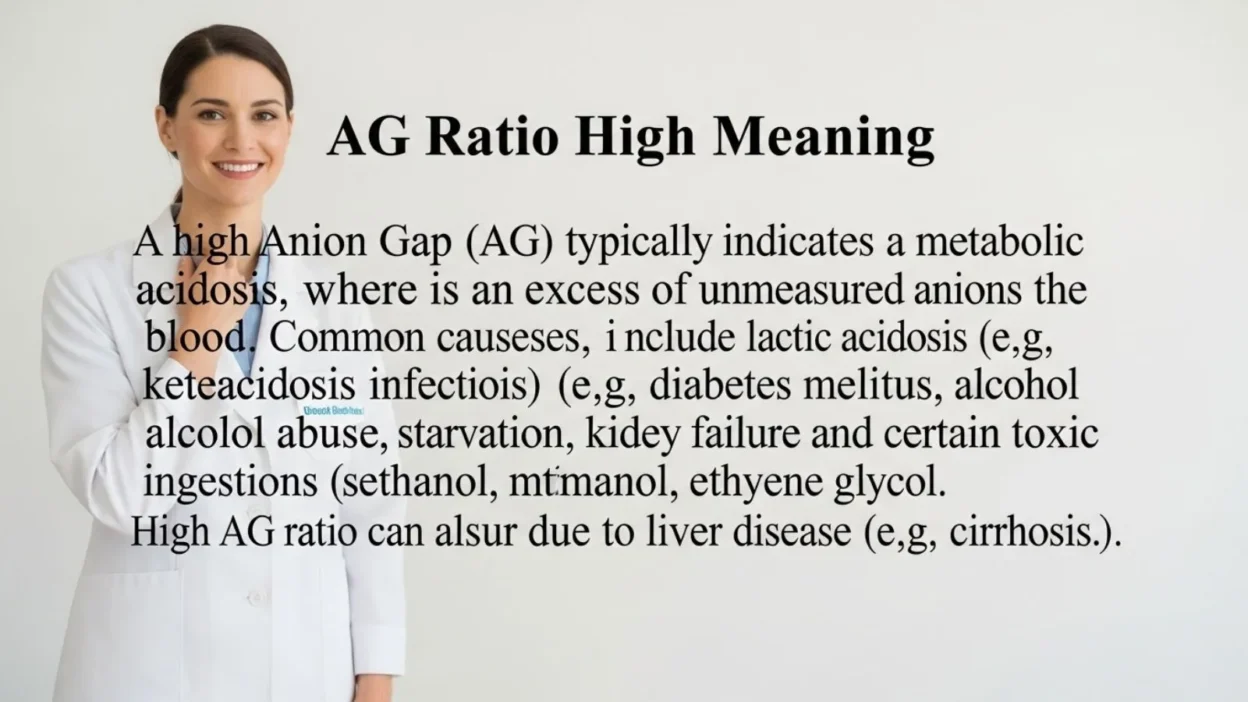
Understanding your blood test results can sometimes feel confusing, especially when you come across terms like AG ratio or albumin to globulin ratio.
If your report shows a high AG ratio, it naturally raises questions: “Is this dangerous?” or “What does it mean for my health?” The AG ratio is a simple calculation comparing two important proteins in your blood albumin and globulin and it plays a vital role in assessing your overall health.
A high AG ratio doesn’t always indicate a serious problem, but it can signal underlying conditions such as liver or kidney issues, immune system imbalances, or protein level irregularities.
In this article, we will break down the meaning of a high AG ratio in simple, easy-to-understand terms, explain possible causes, outline symptoms to watch for, and offer guidance on managing and monitoring your health. By understanding your results, you can make informed decisions and discuss them confidently with your doctor.
What is AG Ratio?
The AG ratio, or albumin-to-globulin ratio, is a simple but important measurement in your blood that compares two types of proteins: albumin and globulin. These proteins perform essential functions in the body. Albumin, produced by the liver, helps maintain fluid balance, transport hormones, vitamins, and drugs, and supports overall cell function. Globulin includes a group of proteins, such as antibodies, that play a key role in your immune system by defending your body against infections and other diseases.
The AG ratio is calculated by dividing the level of albumin by the level of globulin. Most laboratories consider a normal AG ratio to be roughly 1.0 to 2.5, but this can vary slightly depending on the lab and measurement units. When the ratio falls outside this range, it may indicate an imbalance in these proteins, which could be a signal of an underlying health issue.
A high AG ratio typically occurs when albumin levels are higher than normal or globulin levels are lower than normal. This imbalance can result from dehydration, liver problems, kidney issues, or immune deficiencies. Understanding the AG ratio is crucial because it gives doctors a snapshot of your protein health, liver function, and immune system status. By knowing what your ratio means, you can take proactive steps to address potential health concerns and discuss them knowledgeably with your healthcare provider.
High AG Ratio: What Does It Mean?
A high AG ratio occurs when the balance between albumin and globulin in your blood shifts, resulting in a higher proportion of albumin compared to globulin. Simply put, either your albumin levels are elevated, or your globulin levels are lower than normal. This imbalance can have several implications, depending on the underlying cause.
In many cases, a mildly high AG ratio may not be a cause for immediate concern, especially if there are no symptoms. However, consistently high readings can indicate underlying health conditions that require attention. For example, low globulin levels may point to immune system problems, as globulins include antibodies that help fight infections. On the other hand, high albumin levels can result from dehydration, which concentrates proteins in the blood, giving a misleadingly high ratio.
Certain medical conditions are also linked to a high AG ratio. Liver diseases can reduce globulin production, while kidney problems may cause protein loss, altering the ratio. Less commonly, genetic or autoimmune conditions can affect protein levels.
It’s important to remember that the AG ratio is only one part of your overall blood test. Doctors consider it alongside other lab values, symptoms, and medical history to get a complete picture. Understanding that a high AG ratio signals a protein imbalance helps you approach your health proactively, ensuring you seek further testing or medical advice if needed.
Common Causes of High AG Ratio
A high AG ratio usually reflects an imbalance between albumin and globulin in your blood. Understanding the common causes can help you make sense of your lab results and guide discussions with your doctor.
1. Dehydration:
One of the most frequent reasons for a high AG ratio is dehydration. When your body loses water, blood becomes more concentrated, which can temporarily raise albumin levels and increase the ratio.
2. High Albumin Levels:
Elevated albumin can also occur due to excessive protein intake or certain medications. While less common, persistently high albumin may indicate underlying liver or kidney conditions that affect protein metabolism.
3. Low Globulin Levels:
A more concerning cause of a high AG ratio is a reduction in globulin. This can happen due to liver disease, since the liver produces some globulins, or kidney disorders, which may cause excessive protein loss. Immune system disorders, such as certain primary immunodeficiencies, can also lower globulin levels because antibodies are part of the globulin family.
4. Other Factors:
Lab errors, temporary illnesses, or inflammatory conditions can sometimes skew results. It’s also important to note that reference ranges vary slightly between laboratories, so a high reading in one lab may not always be clinically significant.
Symptoms Associated with High AG Ratio
In many cases, a high AG ratio does not cause noticeable symptoms on its own. Often, it is detected during routine blood tests, making it an “invisible” health indicator. However, understanding potential symptoms can help you identify if the imbalance may be linked to an underlying condition.
Some people with a high AG ratio may experience fatigue or weakness, especially if the cause is related to liver or kidney issues. Low globulin levels can also impact the immune system, making you more susceptible to frequent infections, slow-healing wounds, or prolonged colds. In cases where dehydration is the cause, symptoms such as dry mouth, dizziness, or dark urine may also be present.
Other less common symptoms depend on the specific underlying health condition. For example, liver disorders may cause abdominal discomfort, nausea, or yellowing of the skin (jaundice), while kidney problems could lead to swelling in the hands, feet, or around the eyes.
It’s important to remember that the AG ratio itself does not produce symptoms—what matters are the underlying causes. That’s why a high AG ratio should prompt further evaluation rather than self-diagnosis. Monitoring your health, observing any unusual signs, and discussing results with a healthcare professional ensures you address potential issues early and appropriately.
How High AG Ratio is Diagnosed
A high AG ratio is usually discovered during a routine blood test called a comprehensive metabolic panel or protein electrophoresis. These tests measure various proteins in your blood, including albumin and globulin, which are then used to calculate the AG ratio.
When your results show a high AG ratio, doctors don’t rely on this number alone. They consider it alongside other lab values, such as total protein, liver enzymes, kidney function tests, and sometimes immunoglobulin levels. This holistic approach helps identify whether the high ratio is due to a temporary factor like dehydration, or a more serious underlying condition such as liver, kidney, or immune system issues.
Interpreting the AG ratio also involves looking at trends over time. A single slightly elevated reading might not be significant, but consistently high values can indicate a real imbalance that warrants further investigation. In some cases, your doctor may recommend repeat testing, urine analysis, or additional blood work to pinpoint the cause.
It’s important to remember that lab values can vary between different laboratories due to differences in equipment and measurement units. Therefore, discussing your results with a healthcare professional is essential. They can explain what the high AG ratio means in the context of your overall health and guide you on the next steps, whether that involves lifestyle adjustments, further tests, or treatment for an underlying condition.
Potential Health Implications of High AG Ratio
A high AG ratio is not a disease on its own but rather a marker that something may be affecting your protein balance. Understanding the potential health implications helps you and your doctor take proactive steps to maintain your well-being.
One of the most common concerns is liver dysfunction. Since the liver produces many types of globulin, low globulin levels can cause the AG ratio to rise. Conditions such as cirrhosis, hepatitis, or other liver disorders may show this pattern in lab tests. Similarly, kidney problems can lead to protein loss through urine, reducing globulin levels and increasing the ratio.
A high AG ratio may also point to immune system issues, because globulins include antibodies that help defend against infections. Low globulin levels can indicate immune deficiencies or certain autoimmune disorders, making the body more susceptible to infections.
Less commonly, persistent high AG ratio can be related to chronic inflammation or genetic conditions affecting protein production. Even mild imbalances are important to monitor because they can provide early warning signs of more serious health problems.
It’s crucial to remember that a high AG ratio should always be interpreted in the context of other lab results, symptoms, and medical history. By identifying the underlying cause early, whether it’s dehydration, liver or kidney disease, or an immune issue, you can take steps to prevent complications and maintain optimal health.
Treatment and Management of High AG Ratio
Treating a high AG ratio depends primarily on the underlying cause. Since the ratio itself is a marker rather than a disease, addressing what’s causing the imbalance is the key to effective management.
If dehydration is the reason, the solution is simple: increase fluid intake and maintain proper hydration. Sometimes, mild high ratios caused by temporary factors like illness or fasting may resolve on their own without medical intervention.
When a medical condition is responsible, treatment targets that specific issue. For example, liver disorders may require medications, lifestyle changes, or close monitoring, while kidney problems could involve dietary adjustments, medications, or specialized care to prevent further protein loss. If low globulin is due to an immune deficiency, your doctor may recommend treatments such as immunoglobulin therapy or strategies to strengthen your immune system.
Lifestyle adjustments can also support overall protein balance. Maintaining a healthy diet, managing chronic conditions, staying hydrated, and following your doctor’s recommendations can all contribute to stabilizing your AG ratio.
Regular monitoring through blood tests is important to track changes over time. Discussing your results with a healthcare professional ensures that any necessary interventions are timely and appropriate.
Ultimately, a high AG ratio should prompt a thoughtful and proactive approach, combining medical guidance, lifestyle management, and regular monitoring to maintain optimal health and address potential underlying issues before they become serious.
FAQs About High AG Ratio
1. Can a high AG ratio be normal?
Yes, a slightly elevated AG ratio can sometimes be normal, especially if it is a one-time reading or caused by temporary factors like dehydration. Doctors usually look for consistent results before considering it a concern.
2. Does diet affect the AG ratio?
While overall nutrition affects protein levels, diet rarely causes significant changes in the AG ratio. Extreme protein intake or malnutrition can have some effect, but underlying health conditions are usually the main contributors.
3. How often should AG ratio be tested?
If your ratio is high, your doctor may recommend follow-up blood tests to monitor changes over time. Frequency depends on your overall health, lab trends, and any underlying conditions being treated.
4. Is a high AG ratio dangerous?
A high AG ratio itself is not dangerous, but it can indicate conditions like liver disease, kidney problems, or immune deficiencies. Early detection and proper management of these conditions help prevent complications.
5. What should I do if my AG ratio is high?
Consult a healthcare professional for proper evaluation. They may order additional tests, review your medical history, and recommend lifestyle adjustments or treatment if necessary.
Conclusion
A high AG ratio is an important marker that signals a potential imbalance between albumin and globulin in your blood. While it is not a disease by itself, it can indicate underlying conditions such as liver or kidney issues, immune deficiencies, or dehydration.
Understanding what a high AG ratio means empowers you to take proactive steps for your health, from lifestyle adjustments to timely medical consultations.
Interpreting your AG ratio in the context of other lab results, symptoms, and medical history is essential.
Regular monitoring and open communication with your healthcare provider can help identify the root cause and guide appropriate management.
By learning how to read and respond to your blood test results, you can make informed decisions, maintain your overall well being, and address potential health concerns early.
A high AG ratio may be a signal, but with awareness and proper care, it becomes a tool for better health management.

Jonathan Bishopson is the punmaster-in-chief at ThinkPun.com, where wordplay meets wit and every phrase gets a clever twist. Known for turning ordinary language into laugh-out-loud lines, Jonathan crafts puns that make readers groan, grin, and think twice. When he’s not busy bending words, he’s probably plotting his next “pun-derful” masterpiece or proving that humor really is the best re-word.