
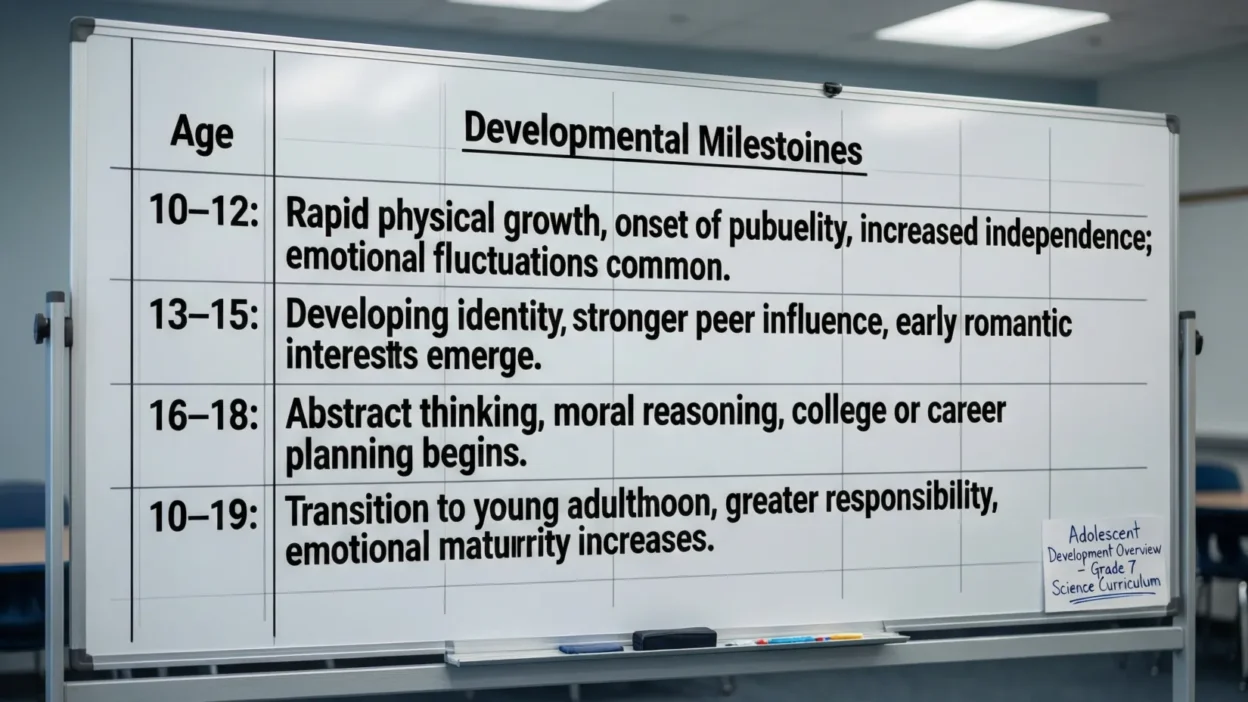
Adolescence is one of the most transformative stages in human development, marking the transition from childhood to adulthood.
Commonly referred to as the adolescent age, this period typically spans from the early teenage years to the late teens and is characterized by rapid physical, emotional, and psychological changes.
During adolescence, individuals experience puberty, develop advanced thinking abilities, and begin forming a strong sense of personal identity.
At the same time, adolescents face new challenges, including academic pressure, social expectations, and emotional instability.
The influence of family, peers, education, and modern technology plays a crucial role in shaping their behavior and future choices.
Understanding adolescent age is essential not only for parents and educators but also for society as a whole, as the experiences and support provided during this phase significantly impact adulthood.
By exploring the biological, emotional, social, and cognitive aspects of adolescence, this article aims to provide a comprehensive understanding of this critical stage of human growth and development.
Biological and Physical Development in Adolescence
Biological and physical development is one of the most visible and significant aspects of adolescent age. This stage is marked by the onset of puberty, a complex biological process triggered by hormonal changes in the body. In both children, hormones such as estrogen and testosterone play a vital role in initiating physical growth and sexual maturation. These hormonal shifts lead to the development of primary and secondary sexual characteristics, including changes in body shape, voice deepening, growth of body hair, and the maturation of reproductive organs.
Another key feature of adolescence is the rapid growth spurt that occurs during this period. Adolescents often experience sudden increases in height and weight, along with changes in muscle mass and bone density. While these changes are a natural part of development, they can sometimes lead to coordination issues and fatigue. Additionally, physical appearance becomes increasingly important to adolescents, making body image a common concern. Comparisons with peers and societal standards can influence self-confidence and emotional well-being.
Adolescent biological development also brings increased nutritional and health needs. Proper intake of vitamins, minerals, and proteins is essential to support growth and energy demands. Sleep patterns often change during adolescence, yet many teenagers suffer from sleep deprivation due to academic stress and lifestyle habits. Regular physical activity and healthy routines are therefore crucial in promoting overall well-being. Understanding these biological and physical changes helps parents, educators, and healthcare professionals provide appropriate guidance and support during this critical stage of development.
Cognitive and Brain Development in Adolescence
Cognitive and brain development undergo significant transformation during the adolescent age, influencing how young people think, learn, and make decisions. One of the most important neurological changes during this stage is the ongoing development of the brain, particularly the prefrontal cortex. This area of the brain is responsible for reasoning, planning, decision-making, and impulse control. While it continues to mature into early adulthood, adolescents often rely more heavily on the emotional centers of the brain, which explains their tendency toward impulsive behavior and risk-taking.
As cognitive abilities expand, adolescents move from concrete thinking to more abstract and complex forms of reasoning. They begin to think critically, question ideas, and explore multiple perspectives. This shift allows them to develop problem-solving skills, creativity, and moral reasoning. Adolescents also become more capable of setting goals, understanding consequences, and forming personal opinions about social, ethical, and political issues.
Brain development during adolescence significantly impacts learning styles and academic performance. Teenagers show increased capacity for learning, yet they may struggle with attention, organization, and time management due to ongoing brain maturation. Emotional factors such as stress, anxiety, and peer influence can further affect concentration and memory. Supportive educational environments that encourage critical thinking, open discussion, and emotional safety can enhance cognitive growth.
Understanding cognitive and brain development in adolescence helps parents and educators recognize that behavioral inconsistencies are often a result of natural developmental processes rather than intentional disobedience. With proper guidance, adolescents can develop strong intellectual skills that prepare them for responsible adulthood.
Emotional and Psychological Development in Adolescence
Emotional and psychological development is a central aspect of the adolescent age, as individuals experience intense feelings and evolving self-awareness. During this stage, adolescents often face mood swings, heightened emotional sensitivity, and strong reactions to everyday situations. These emotional changes are influenced by hormonal fluctuations, brain development, and increasing social pressures. As adolescents attempt to understand themselves and their place in the world, they may experience confusion, self-doubt, or emotional instability.
A key psychological task of adolescence is identity formation. Teenagers begin exploring their values, beliefs, interests, and personal goals, which contributes to the development of a unique sense of self. This process can be empowering, but it may also create inner conflict, especially when personal desires clash with family expectations or social norms. Self-esteem often fluctuates during this period, as adolescents compare themselves to peers and seek acceptance.
Mental health challenges are also more likely to emerge during adolescence. Academic stress, peer pressure, family conflicts, and social media exposure can contribute to anxiety, depression, and feelings of isolation. Unfortunately, these struggles are sometimes misunderstood or dismissed as typical teenage behavior. Early recognition and emotional support are essential in promoting psychological well-being.
Healthy emotional development in adolescence depends heavily on supportive relationships and open communication. When adolescents feel heard and respected, they are more likely to develop emotional resilience, coping skills, and confidence. Understanding the emotional and psychological dimensions of adolescence allows caregivers, educators, and society to provide empathy, guidance, and appropriate support during this crucial stage of development.
Social Development and Relationships in Adolescence
Social development becomes increasingly important during the adolescent age, as relationships begin to shape behavior, identity, and emotional well-being. Adolescents gradually shift their focus from family-centered interactions to peer-oriented relationships. Friendships during this stage are often intense and emotionally significant, providing a sense of belonging, acceptance, and support. Peer groups strongly influence attitudes, interests, and decision-making, which can have both positive and negative effects.
Peer pressure is a common social challenge in adolescence. While positive peer influence can encourage healthy behaviors and academic motivation, negative peer pressure may lead to risky actions such as substance use or rule-breaking. Adolescents are especially sensitive to social approval, making them more likely to conform in order to fit in. Learning to make independent and responsible social choices is a critical part of social development.
Family relationships also undergo change during adolescence. Teenagers often seek greater independence, which can result in misunderstandings or conflicts with parents and caregivers. However, strong family bonds and open communication remain essential. Adolescents who feel supported at home tend to develop better social skills and emotional stability.
Romantic and emotional relationships often emerge during this stage as well. Adolescents begin to explore attraction, intimacy, and emotional connection. These early experiences play an important role in shaping future relationship patterns. Guidance, education, and healthy role models help adolescents develop respectful and responsible relationships. Overall, social development in adolescence is a complex process that greatly influences personal growth and future social competence.
Identity Formation and Self-Concept in Adolescence
Identity formation is one of the most critical developmental tasks of the adolescent age. During this stage, individuals actively explore who they are, what they believe in, and what they want to become. Adolescents begin to question values inherited from childhood and experiment with different roles, interests, and beliefs. This exploration helps them form a personal identity that guides their future decisions and life direction.
Self-concept, which includes self-image, self-esteem, and self-awareness, evolves significantly during adolescence. Teenagers become more conscious of how they are perceived by others, leading to increased self-reflection and comparison with peers. Physical appearance, academic performance, and social acceptance often play a major role in shaping self-esteem. As a result, adolescents may experience periods of confidence as well as self-doubt.
Cultural, social, and environmental factors strongly influence identity development. Family background, cultural traditions, religious beliefs, and community values contribute to how adolescents view themselves and their place in society. In today’s digital age, media and social platforms also have a powerful impact on identity, shaping ideals related to success, beauty, and lifestyle. While exposure to diverse perspectives can broaden understanding, unrealistic standards may negatively affect self-worth.
A supportive environment is essential for healthy identity development. When adolescents are encouraged to express themselves freely and are accepted for who they are, they develop confidence and emotional stability. Identity formation during adolescence lays the foundation for adult personality, values, and social roles, making it a crucial stage in human development.
Education and Academic Development in Adolescence
Education plays a vital role in adolescent development, as this stage involves increased academic demands and greater responsibility for learning. During adolescence, students transition from basic learning to more complex and specialized subjects that require critical thinking, problem-solving, and independent study skills. This shift can be both stimulating and challenging, as adolescents adapt to higher expectations and competitive academic environments.
Academic pressure is a common experience during the adolescent age. Examinations, performance comparisons, and future career concerns often create stress and anxiety. Adolescents may struggle with time management, motivation, and concentration, especially when emotional and social factors interfere with learning. Learning differences, attention difficulties, or lack of academic support can further impact performance and self-confidence.
Schools and educators play a crucial role in supporting adolescents beyond academic instruction. Positive teacher-student relationships, emotional encouragement, and inclusive learning environments contribute to academic success and psychological well-being. Educational institutions that incorporate life skills, emotional intelligence, and career guidance help adolescents prepare for real-world challenges.
Parental involvement is also important in academic development. When parents show interest in their children’s education without excessive pressure, adolescents are more likely to stay motivated and engaged. Encouraging healthy study habits, balanced routines, and realistic goals supports long-term academic growth. Overall, education during adolescence not only shapes intellectual abilities but also influences self-discipline, resilience, and future aspirations, making it a central component of adolescent development.
Risk-Taking Behavior and Challenges in Adolescence
Risk-taking behavior is a common characteristic of the adolescent age and is closely linked to biological, psychological, and social development. As the adolescent brain continues to mature, especially the areas responsible for judgment and impulse control, teenagers may be more inclined to seek new and exciting experiences. Curiosity, emotional intensity, and the desire for independence often encourage experimentation, which can sometimes lead to risky behaviors.
Common challenges during adolescence include substance use, such as smoking, alcohol consumption, and drug experimentation. Peer pressure and the need for social acceptance can significantly influence these behaviors. Adolescents may also engage in risky activities related to driving, unsafe sexual practices, or defiance of rules, often without fully considering long-term consequences.
In the digital age, technology presents additional challenges. Excessive screen time, exposure to inappropriate content, cyberbullying, and online peer pressure can negatively affect mental health and self-esteem. Social media platforms often create unrealistic standards of appearance and success, increasing feelings of inadequacy and anxiety among adolescents.
Despite these challenges, risk-taking is not always negative. When guided appropriately, adolescents can channel their desire for exploration into positive activities such as sports, creative pursuits, leadership roles, and community involvement. Supportive parenting, clear boundaries, and open communication help adolescents make safer choices. Education about consequences, along with emotional support, empowers adolescents to develop responsibility and self-control. Addressing risk-taking behavior with understanding rather than punishment fosters healthier decision-making during this critical developmental stage.
Role of Parents, Community, and Society in Adolescence
Parents, communities, and society play a crucial role in shaping the experiences and outcomes of the adolescent age. While adolescents seek independence, they still require guidance, emotional support, and structure to navigate the challenges of this developmental stage. Parents serve as primary role models, and their attitudes, communication styles, and behavior significantly influence adolescent growth. Open dialogue, trust, and consistent boundaries help adolescents feel secure while developing autonomy.
Communities also contribute to adolescent development by providing safe environments, positive role models, and opportunities for social engagement. Schools, sports clubs, youth organizations, and community programs encourage skill development, social responsibility, and a sense of belonging. Adolescents who feel connected to their communities are less likely to engage in harmful behaviors and more likely to develop confidence and purpose.
Society as a whole holds responsibility for supporting adolescents through policies, healthcare systems, and educational frameworks. Access to mental health services, quality education, and youth-friendly healthcare is essential for healthy development. Media and digital platforms also have a powerful influence on adolescents, shaping perceptions of identity, success, and relationships. Responsible media representation can promote positive values and realistic expectations.
When parents, communities, and society work together, adolescents are more likely to thrive. A supportive and understanding environment encourages resilience, emotional maturity, and responsible decision-making. Investing in adolescents not only benefits individuals but also contributes to the development of a healthy, productive, and socially responsible future generation.
Positive Development and Opportunities in Adolescence
Although adolescence is often associated with challenges, it is also a period filled with immense potential and opportunity. The adolescent age is a time of rapid learning, creativity, and personal growth. As adolescents explore their interests and abilities, they develop skills that shape their future academic, professional, and personal lives. When provided with the right support and opportunities, this stage can become a powerful foundation for success.
Adolescents possess a natural curiosity and willingness to experiment, which can be channeled into positive activities such as sports, arts, innovation, and community service. Participation in extracurricular activities helps adolescents build confidence, teamwork skills, and leadership abilities. These experiences also promote discipline, resilience, and a sense of achievement.
This stage is ideal for developing emotional intelligence and coping skills. Adolescents who learn how to manage stress, communicate effectively, and regulate emotions are better equipped to handle future challenges. Encouraging goal-setting and self-reflection helps adolescents gain clarity about their aspirations and values.
Mentorship and guidance play an essential role in positive adolescent development. Supportive parents, teachers, and mentors can inspire adolescents to recognize their strengths and overcome obstacles. Creating environments that celebrate diversity, encourage self-expression, and provide constructive feedback allows adolescents to flourish.
By focusing on strengths rather than shortcomings, society can empower adolescents to become confident, responsible, and socially engaged adults. Adolescence, when nurtured positively, becomes not just a transitional phase but a transformative period of growth and opportunity.
Practical Strategies for Supporting Adolescents
Supporting adolescents effectively requires understanding, patience, and proactive involvement from parents, educators, and society. One of the most important strategies is maintaining open and respectful communication. Adolescents are more likely to share their thoughts and concerns when they feel listened to rather than judged. Encouraging honest conversations about emotions, challenges, and experiences helps build trust and emotional security.
Providing balanced guidance is equally essential. While adolescents need independence to develop confidence and decision-making skills, they also benefit from clear boundaries and consistent expectations. Setting reasonable rules while allowing room for choice helps adolescents learn responsibility without feeling restricted. Positive reinforcement and constructive feedback are more effective than punishment in shaping behavior.
Mental and emotional well-being should be a priority. Parents and educators should be attentive to signs of stress, anxiety, or withdrawal and seek professional support when necessary. Teaching coping skills such as stress management, problem-solving, and emotional regulation equips adolescents to handle pressure in healthy ways.
Encouraging positive engagement is another key strategy. Participation in sports, arts, volunteering, or leadership activities allows adolescents to explore their interests and build self-esteem. These activities also promote social skills, discipline, and resilience.
Finally, collaboration between families, schools, and communities strengthens adolescent support systems. When adolescents are surrounded by understanding adults and positive environments, they are more likely to develop into confident, responsible, and emotionally healthy adults. Thoughtful support during adolescence creates a strong foundation for lifelong well-being and success.
Frequently Asked Questions About Adolescent Age
1. What is meant by adolescent age?
Adolescent age refers to the developmental period between childhood and adulthood, typically ranging from ages 10 to 19. It is marked by physical growth, emotional changes, and increased independence.
2. Why is adolescence considered an important stage of life?
Adolescence is crucial because it shapes personality, values, behavior, and future life choices. Experiences during this stage strongly influence adulthood mental health and social skills.
3. What are the main changes during adolescence?
The main changes include puberty and physical growth, emotional fluctuations, brain development, identity formation, and evolving social relationships. Cognitive abilities and moral reasoning also develop significantly.
4. Why do adolescents show risky behavior?
Risk-taking behavior occurs due to ongoing brain development, especially in areas related to judgment and impulse control. Peer influence and curiosity also contribute to such behaviors.
5. How can parents support adolescents effectively?
Parents can support adolescents by maintaining open communication, setting clear but flexible boundaries, and offering emotional support. Listening without judgment builds trust and confidence.
6. How does social media affect adolescents?
Social media can impact self-esteem, mental health, and identity development. While it offers connection and self-expression, excessive or negative exposure may increase stress and anxiety.
7. When should professional help be sought for adolescents?
Professional help should be considered if adolescents show persistent signs of depression, anxiety, withdrawal, or drastic behavior changes. Early support can prevent long-term issues.
Conclusion:
Adolescence is a complex and transformative stage of human development that plays a decisive role in shaping an individual’s future.
The adolescent age is marked by rapid physical growth, cognitive advancement, emotional intensity, and evolving social relationships.
During this period, adolescents develop their identity, values, and life goals while navigating challenges such as academic pressure, emotional instability, peer influence, and societal expectations. These experiences, though often difficult, are essential for growth and maturity.
Understanding adolescence as a holistic process allows parents, educators, and society to respond with empathy rather than judgment.
Adolescents are not merely transitioning children but individuals undergoing profound biological and psychological change.
With appropriate guidance, open communication, and emotional support, they can learn to manage stress, make responsible decisions, and develop resilience.
Education, family support, and community involvement play a critical role in helping adolescents harness their potential and overcome risks.
Moreover, adolescence should be recognized not only as a period of vulnerability but also as a time of opportunity.
When adolescents are encouraged to explore their strengths, express themselves, and participate in positive activities, they develop confidence and a sense of purpose.
Investing in adolescent well-being benefits not only individuals but society as a whole, as today’s adolescents become tomorrow’s leaders, professionals, and citizens.
In conclusion, nurturing adolescents through understanding, patience, and support ensures healthier development and a smoother transition into adulthood.
By valuing and supporting this crucial stage, we contribute to building a stronger, more balanced, and compassionate future generation.